




Securing the Foundation: Tracks and Terrain
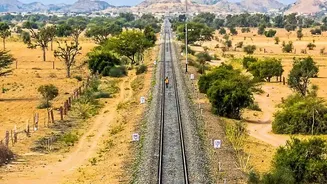
Long before the first passenger train of the day departs, the real work is already underway. Across the country, railway zones identify vulnerable sections of track prone to flooding or landslides. A major pre-monsoon activity is the cleaning and desilting
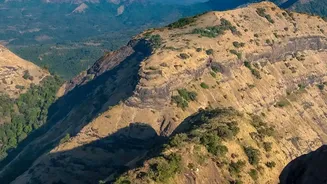
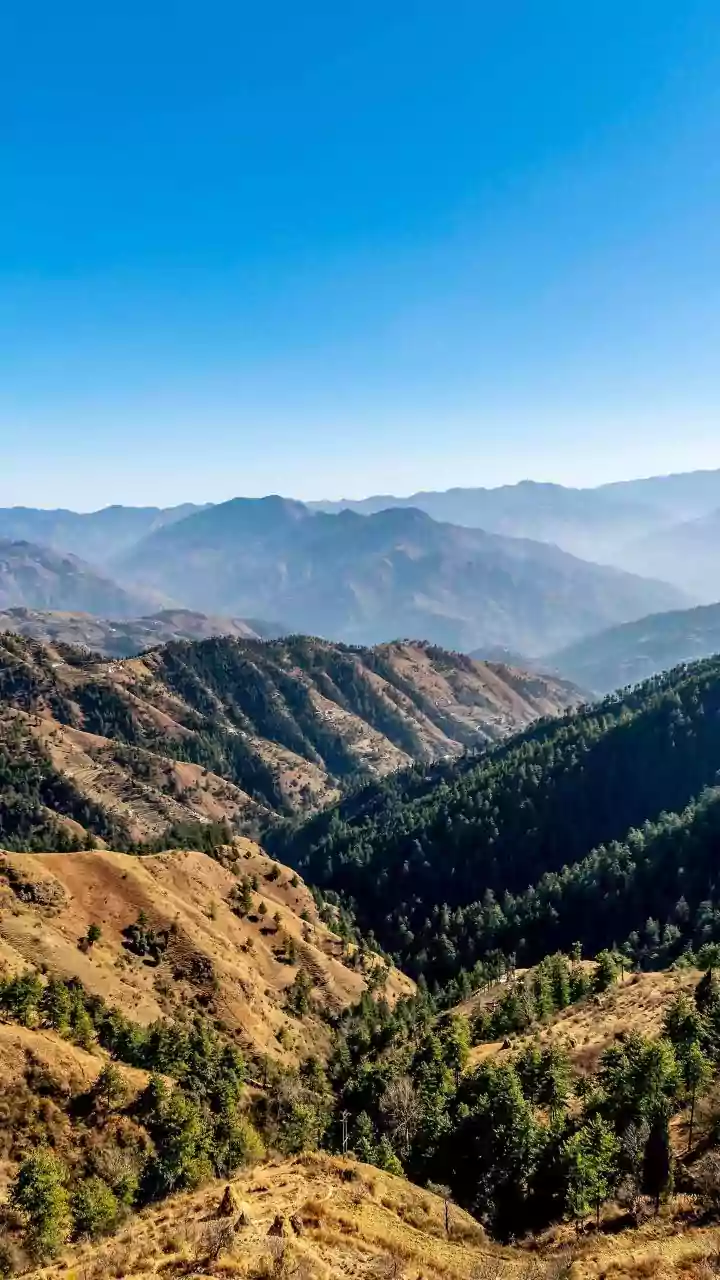
of tens of thousands of kilometres of drains and culverts that run alongside the tracks. Muck and garbage are cleared away by special 'muck special' trains to ensure water has a clear path away from the railway lines. In hilly and geographically challenging areas like the Konkan and Karjat-Lonavala ghat sections, the work is even more intensive. Here, engineers inspect slopes for stability, installing protective measures like boulder netting, retaining walls, and gabion structures to prevent landslides and rockfalls from reaching the tracks. This geological fortification is a critical, unseen shield for every train that passes.
The Eyes and Ears of the Network
Ensuring a train runs safely is not just about the physical track; it's about constant monitoring. Indian Railways deploys a small army of patrolmen, especially in high-risk areas. These personnel conduct round-the-clock foot patrols, walking their designated five-kilometre beats to check for track flooding, soil erosion, or any other anomaly. They are equipped with walkie-talkies and mobile phones to report issues instantly. Technology plays a huge supporting role. Automated rain gauges, flood gauges at bridges, and anemometers to measure wind velocity provide real-time data to control rooms. This allows officials to make quick decisions, such as restricting train speeds to 40 kmph in heavy rain or even temporarily suspending services if water levels become dangerous.
Station and Signal Fortification
The preparations extend into the stations themselves. Ongoing development and construction works are reviewed to ensure they do not create new waterlogging issues, and sites are secured. Roofs are repaired to prevent leaks, and high-capacity dewatering pumps are installed at stations and yards known for flooding. Western Railway, for instance, installed 126 such pumps across the Mumbai suburban network ahead of the 2026 monsoon. The complex signalling systems that guide the trains also get special attention. Equipment is waterproofed, and joint inspections are conducted by signalling and track officials to preempt failures. In areas highly vulnerable to waterlogging, older track circuits are replaced with modern axle counters, which are less susceptible to disruption from water.
Ready for the Unexpected
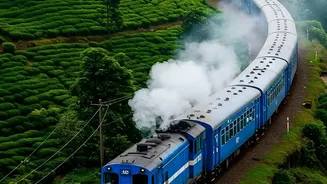
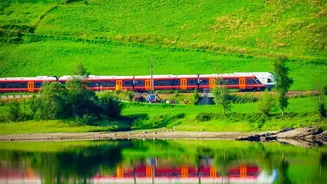
Despite all the preparation, extreme weather can still cause disruptions. This is where emergency response planning kicks in. Wagons filled with reserve materials like boulders, sandbags, and quarry dust are kept ready at strategic locations. These can be quickly moved to a site of a washout or breach to carry out repairs. Accident Relief Trains (ART) and Self-Propelled Accident Relief Medical Vans (ARMVs), complete with medical facilities, are on standby, ready to be mobilised within minutes. In some of the most difficult terrains, like the Mumbai-Pune ghats, there are even plans to build dedicated emergency access roads to allow rescue and repair teams to reach remote sites faster. For passengers, the most visible change might be the implementation of monsoon timetables on certain routes, like the Konkan Railway, which involves adjusted speeds and schedules to prioritize safety over speed.