



The Ancient Power of Neem Oil
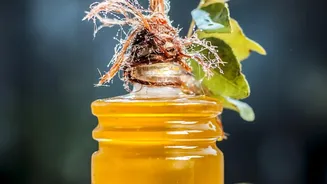
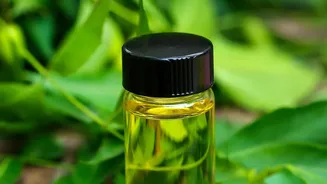
For centuries, the neem tree has been revered in India for its medicinal properties. Today, gardeners worldwide trust cold-pressed neem oil, an extract from the tree's seeds, as a cornerstone of organic pest management. Its power lies in a compound called
azadirachtin, which works in multiple ways. It acts as an antifeedant, discouraging insects from eating treated leaves. It's also a growth regulator, disrupting the hormone systems of pests, which prevents them from maturing and reproducing. Unlike many synthetic pesticides, neem oil isn't always an instant killer; instead, it works systemically to dismantle an infestation over time. When insects ingest the plant's tissues, they consume the azadirachtin, leading to their decline. This multifaceted approach is effective against a wide range of pests, including aphids, mealybugs, whiteflies, and even some fungal diseases like powdery mildew.
The Deceptive Simplicity of Soapy Water
A spray made from simple soap and water might seem too basic to be effective, but its mechanics are surprisingly potent. This method works on direct contact, targeting soft-bodied insects like aphids, spider mites, and thrips. The fatty acids in true soap—not detergents—are the key. They work to dissolve the protective waxy outer layer, or cuticle, of these pests. This breach causes dehydration and, ultimately, death. In some cases, the soapy solution can also block the insects' breathing pores, leading to suffocation. Because it works physically on contact and breaks down quickly, it has a low environmental impact. It's a fast-acting solution for visible pests, offering immediate results without leaving behind long-lasting chemical residues. This makes it a go-to for quick interventions, especially on edible plants.
Your Practical Application Guide
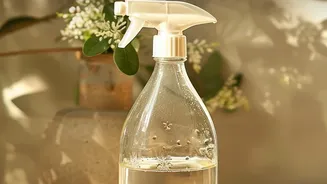
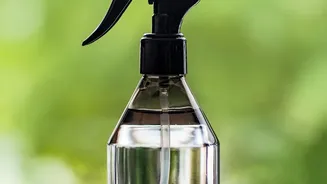
Harnessing the power of these sprays requires correct preparation and application. For a neem oil spray, a typical mixture involves one to two teaspoons of cold-pressed neem oil and a half teaspoon of a mild liquid soap (like castile soap) in a litre of warm water. The soap acts as an emulsifier, allowing the oil and water to mix. For a simple soap spray, a common recipe is one tablespoon of liquid castile soap per litre of water. Avoid using dish detergents, as their additives can harm plants. Always shake the spray bottle well before and during use. The best time to spray is in the early morning or late evening to avoid the hot sun, which can cause the oil or soap to burn the leaves. Thorough coverage is critical. Pests love to hide on the undersides of leaves and in plant crevices, so be sure to spray all surfaces of the plant until they are dripping wet. For active infestations, repeat applications every five to seven days.
Choosing the Right Tool for the Job
While both sprays are effective, they serve different purposes. Soapy water is the ideal first response for a visible, active infestation of soft-bodied insects. It's fast, simple, and has minimal residual effect. Think of it as your spot-treatment tool. Neem oil is the better choice for broader, more persistent problems. Its ability to act as a fungicide and its systemic action against a wider variety of pests make it a powerful preventative measure. If you're dealing with fungal issues like black spot or hard-to-kill pests like scale, neem oil is the superior option. Many gardeners keep both on hand, using soapy water for quick knock-downs and neem oil for long-term prevention and more complex issues. Some even combine them in a single spray for a two-pronged attack.
The 'Eco-Friendly' Promise and Its Limits
The term 'eco-friendly' comes with responsibility. Both neem oil and soapy water are biodegradable and far less harmful to the broader ecosystem than many synthetic chemical pesticides. However, 'natural' does not mean 'harmless'. Soapy water sprays are non-selective and can harm beneficial insects if they are sprayed directly. Likewise, while neem oil is generally considered safe for pollinators like bees that don't chew on leaves, it can be harmful to beneficial insect larvae, such as those of ladybugs and butterflies, if they ingest treated foliage. For this reason, avoid spraying on windy days or on open flowers where bees are active. Always perform a patch test on a single leaf and wait 24-48 hours to check for sensitivity before spraying an entire plant, especially on delicate herbs like parsley or dill.