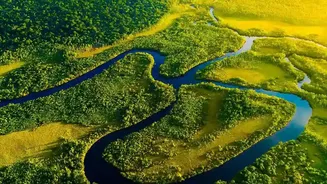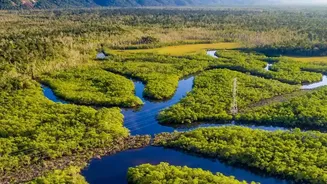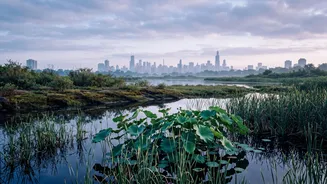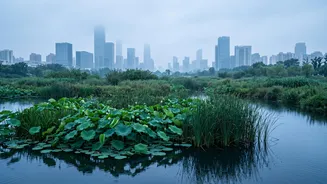






As monsoon rains intensify, urban flooding is a growing nightmare for many Indian cities. Concrete jungles with limited drainage struggle to cope with the deluge. But a solution may lie in plain sight: reviving and creating urban wetlands.
How Nature's Sponges Work
Urban wetlands
function as nature's sponges. Unlike concrete drains that quickly channel water away and often get overwhelmed, wetlands absorb, hold, and slowly release rainwater. This process, known as flood attenuation, significantly reduces the peak flow of water during a heavy downpour. The vegetation, from trees to root mats, slows the water's velocity, which helps prevent soil erosion and allows more water to seep into the ground, recharging vital groundwater aquifers. A single acre of wetland can absorb a massive amount of floodwater, providing a natural buffer that counteracts the increased runoff from paved surfaces and buildings. This natural braking action lowers flood heights and mitigates the immediate risk of waterlogging in downstream urban areas.
More Than Just Flood Prevention
The benefits of urban wetlands extend far beyond flood control. They are biodiversity hotspots, providing critical habitats for birds, fish, amphibians, and insects within city limits. Often called 'nature's kidneys', wetlands are remarkably effective at improving water quality. They act as natural filters, trapping sediments and using biological processes to break down pollutants from stormwater runoff, including oils and excess nutrients, before they contaminate larger water bodies. Furthermore, these green spaces help regulate local microclimates, combating the urban heat island effect, and serve as valuable carbon sinks by storing carbon in their saturated soils. They also offer crucial recreational, aesthetic, and educational opportunities for city residents, improving overall well-being.
A Shining Example from Kolkata
India has a powerful case study in the East Kolkata Wetlands (EKW). This vast 12,500-hectare ecosystem is a globally recognized example of a nature-based solution in action. The EKW naturally treats a significant portion of Kolkata's daily sewage and stormwater, using a complex system of fishponds and agricultural plots. This process not only purifies the water without the need for expensive, energy-intensive treatment plants but also supports the livelihoods of thousands through fishing and farming. Critically, the wetlands act as a massive buffer zone, absorbing excess rainwater and protecting the city from severe flooding. The success of the EKW demonstrates how integrating natural ecosystems into urban planning can provide a resilient, cost-effective, and sustainable alternative to purely engineered infrastructure.
Challenges on the Path to Resilience
Despite their proven benefits, urban wetlands across India are under severe threat. Many have been lost to rapid urban expansion, dismissed as wastelands and filled in for real estate development. Cities like Chennai and Mumbai have lost a staggering percentage of their wetlands, contributing directly to increased flooding and water scarcity. Key challenges include the high cost and scarcity of land in dense urban areas, which makes creating new wetlands difficult. Pollution from untreated industrial and domestic waste degrades the health of remaining wetlands, while a lack of public awareness and fragmented governance across multiple civic agencies hinder effective conservation efforts. Overcoming these hurdles requires integrating wetland protection into city master plans, enforcing existing environmental laws, and fostering a greater public appreciation for these vital ecosystems.