








A Shift in Energy and Activity
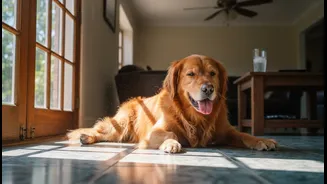
One of the most common signs your pet is struggling with heat is a noticeable drop in energy. A dog that usually loves walks might seem sluggish or uninterested, or a playful cat might spend most of the day sleeping in a cool spot. This isn't laziness;
it's their body’s way of conserving energy and avoiding overheating. This lethargy can be an early symptom of heat exhaustion or dehydration. Similarly, during the monsoon, a lack of outdoor exercise can lead to pent-up energy, which might manifest as destructive behaviour, or conversely, a sense of gloominess due to the lack of sunlight.
Changes in Appetite and Thirst
Hot weather can cause a pet's metabolism to slow down, leading to a decreased appetite. While eating a little less can be normal, a complete refusal to eat is a red flag, often linked to dehydration or more serious heat stress. On the other hand, pay close attention to their water intake. Excessive drinking is a clear sign they are trying to combat fluid loss, but you should also watch for its opposite. A pet that stops drinking is at high risk. Dehydration can happen quickly and is a serious medical concern.
Anxious or Unusual Behaviours
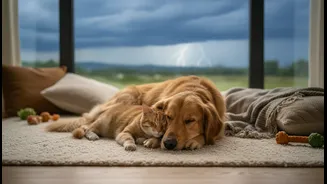
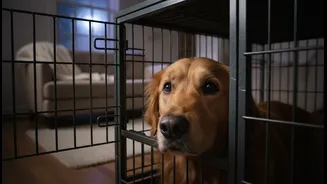
Weather can significantly affect a pet's mood and behaviour. High heat can make some dogs more irritable, snappish, or less tolerant of being handled. They may pace restlessly, trying to find a comfortable position. During the monsoon season, thunderstorms can trigger intense anxiety. This storm phobia can be caused by changes in barometric pressure, static electricity, and the loud sounds of thunder. Signs of this anxiety include hiding, excessive barking or whining, trembling, or even house soiling.
Subtle Physical Warning Signs
Beyond obvious panting, there are several physical clues to watch for. Check your pet’s gums; healthy gums are typically pink and moist. Bright red, pale, or sticky-feeling gums can indicate dehydration or heatstroke. Another simple check is the skin elasticity test: gently lift the skin between their shoulder blades. If it doesn't snap back quickly, your pet may be dehydrated. In cats, watch for open-mouth panting, which is a significant sign of distress. Other concerning signs include thick or ropey drool, a rapid heartbeat, vomiting, or unsteadiness.
How You Can Help Them Cope
When it's hot, ensure your pets have constant access to fresh, cool water and a shady, well-ventilated space to rest. Adjust walk times to the cooler early morning or late evening hours. During monsoons, if your pet is afraid of storms, create a 'safe space' for them in a quiet interior room. Playing soft music or using a white noise machine can help muffle the sound of thunder. For pets with severe anxiety, products like anxiety wraps may offer comfort. Never punish a pet for showing fear. Instead, your calm and reassuring presence is one of the most powerful tools you have to help them feel secure.