






Breathe Easy With Clean Air
The foundation of a wellness-focused bathroom is the quality of the air you breathe. High humidity from hot showers creates an ideal environment for mould and mildew, which can be detrimental to both your home and your health. The first line of defense
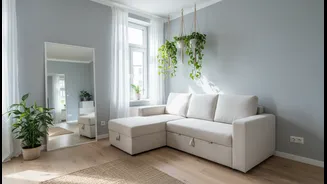
is proper ventilation. Always use your bathroom’s exhaust fan during and for at least 20-30 minutes after a shower to pull moist air out. If you don't have a fan, opening a window works well, though installing a fan is a more effective long-term solution. For an extra boost, a small dehumidifier can actively remove excess moisture from the air. You can also harness the power of nature. Many houseplants thrive in humid, low-light conditions and act as natural air purifiers. Plants like peace lilies, snake plants, and Boston ferns not only absorb moisture but also filter airborne toxins, adding a touch of serene greenery.
Find Calm in Uncluttered Surfaces
Visual noise creates mental stress, and a cluttered countertop is a major source of it. A key wellness trend is the move toward quiet, restrained design where surfaces remain clear and composed. A tidy bathroom not only feels more spacious and calming but also promotes better hygiene, as clear surfaces are easier to clean. Start by decluttering: remove expired products and anything you don't use daily. Relocate items that don't need to be in the bathroom, like a large first-aid kit, to free up precious space. Then, create smart storage systems. Use drawer dividers, baskets, and trays to group similar items together. The goal is to keep only the essentials on display, perhaps arranged neatly on a tray, while everything else is stored out of sight. This simple practice streamlines your morning routine and transforms the bathroom into a more peaceful environment.
Set the Mood With Comfortable Light
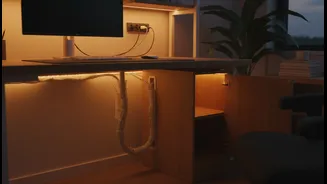
Lighting is one of the most transformative elements in a bathroom, capable of shifting the atmosphere from functional to restorative. A single, harsh overhead light can cast unflattering shadows and feel clinical. The best approach is a layered lighting scheme that combines three types of light. First, ambient lighting provides overall, general illumination; this can come from recessed ceiling lights or a central fixture. Second, task lighting offers focused, bright light for grooming activities like applying makeup or shaving. This is best achieved with vertical lights on either side of the mirror to prevent shadows. Finally, accent lighting adds depth and mood, such as LED strips under a vanity or behind a bathtub to create a soft glow. Installing dimmers is crucial, as it allows you to adjust the brightness to suit the time of day—bright and energizing for the morning, and soft and warm for a relaxing evening soak. Aim for warmer light temperatures (around 2700K–3000K) to create an inviting, spa-like feel.