




The Booming Wellness Bubble
The wellness market in India is expanding at a remarkable rate, projected to grow significantly in the coming years. Reports show the market size was valued at over USD 164 billion in 2025 and is expected to continue its upward trajectory. This growth
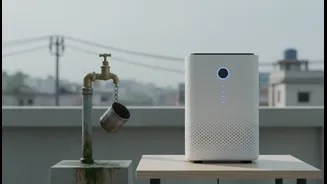
is fuelled by rising health consciousness, higher disposable incomes, and a cultural pivot towards preventative care and holistic lifestyles. Urban Indians are increasingly investing in organic foods, fitness apps, wellness tourism, and home-based solutions like purifiers to create personal health sanctuaries. These products offer a powerful and attractive illusion: that health is a commodity that can be purchased, and that individuals can insulate themselves from their surroundings through conscious consumption.
When the City Itself is the Sickness
The problem is that no personal wellness bubble is truly impenetrable. Once you step outside, the reality of many Indian urban environments presents a stark contrast. Many cities grapple with severe air pollution, with fine particulate matter (PM2.5) levels frequently exceeding safe limits. This isn't just an inconvenience; it's a profound health crisis, linked to millions of premature deaths from respiratory illness, heart disease, and cancer. Beyond the air we breathe, our cities often lack the basic infrastructure for a healthy life. A shortage of safe, accessible public green spaces, a lack of pedestrian-friendly streets, and noise pollution all contribute to a stressful and sedentary existence. These are not problems that a new yoga mat or a green smoothie can solve.
Health Is a Public, Not Private, Matter
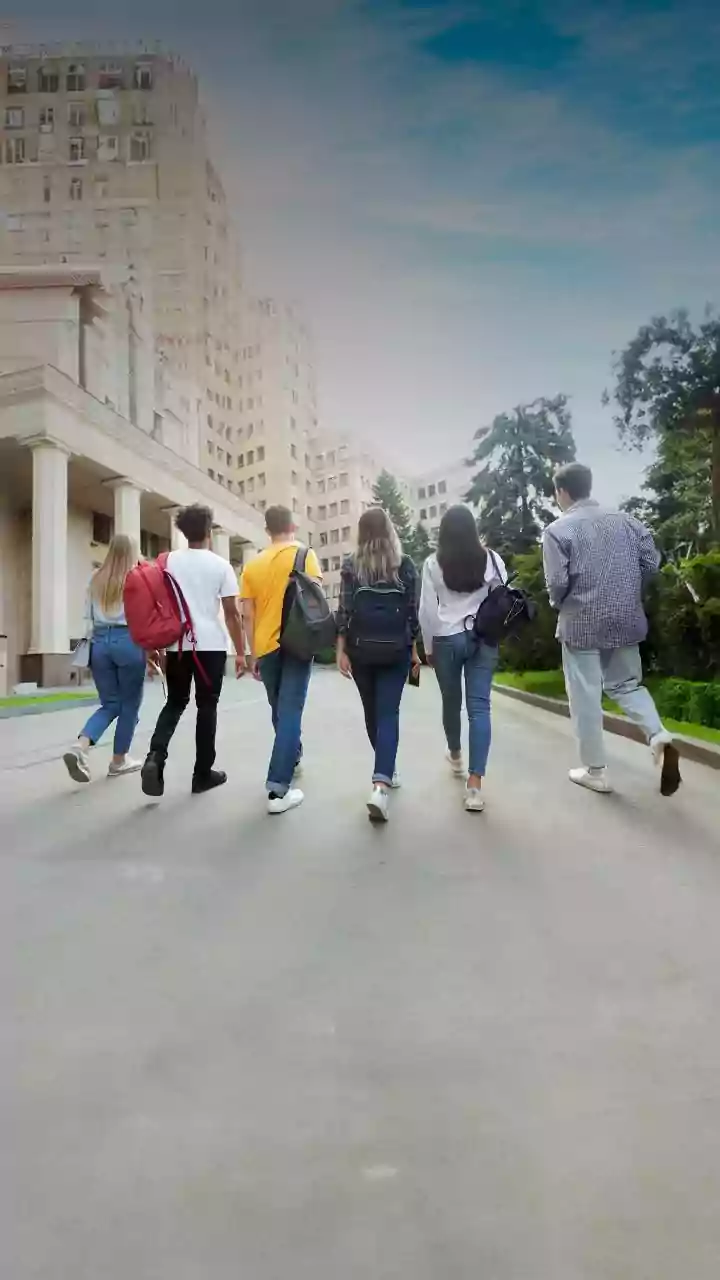
This brings us to a critical concept known as the 'social determinants of health'. The World Health Organization defines these as the non-medical factors that influence health outcomes, including the conditions in which people are born, grow, live, work, and age. In urban India, these determinants have a far greater impact than individual lifestyle choices. Factors like air and water quality, access to safe housing, the availability of public transport, and the design of our neighbourhoods are the real foundations of public health. Focusing solely on wellness products ignores this fundamental truth, placing the entire burden of health on the individual while absolving the larger systems of their responsibility.
The Inequity of Commercialised Wellness
Furthermore, the wellness industry, by its very nature, is exclusionary. High-end air purifiers, organic groceries, gym memberships, and wellness retreats are luxuries available only to a privileged few. This creates a dangerous health divide. The affluent can afford to mitigate some environmental risks, while the urban poor, who often live in the most polluted and underserved areas, are left most exposed. This population faces a 'double burden' of disease: grappling with communicable diseases linked to poor sanitation while also facing a rising tide of non-communicable diseases like diabetes and hypertension driven by environmental and lifestyle factors. A model of health based on purchasing power is inherently inequitable and unsustainable.
Building the Foundations of Real Urban Health
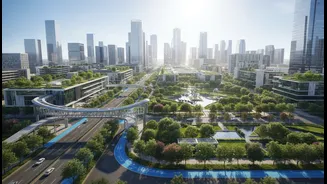
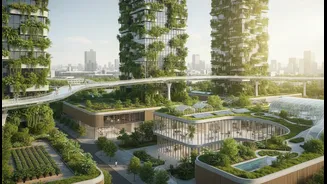
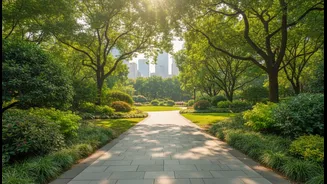
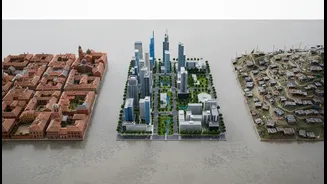
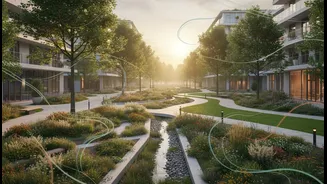
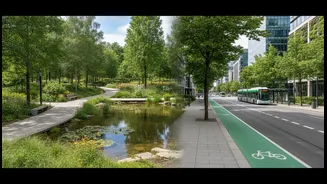
So, what is the alternative? The answer lies not in individual consumption but in collective action and systemic change. A truly healthy city is one that invests in its people's well-being through smart urban planning. This means creating and maintaining accessible green spaces like parks and gardens, which improve air quality, reduce stress, and encourage physical activity. It means building infrastructure that prioritises pedestrians and cyclists over cars, reducing both pollution and traffic fatalities. It demands stricter environmental regulations on industries and construction, tackling pollution at its source. These are not radical ideas; they are evidence-based strategies for creating livable, breathable, and equitable cities for everyone.