



Understanding the Monsoon Threat
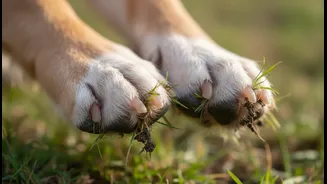
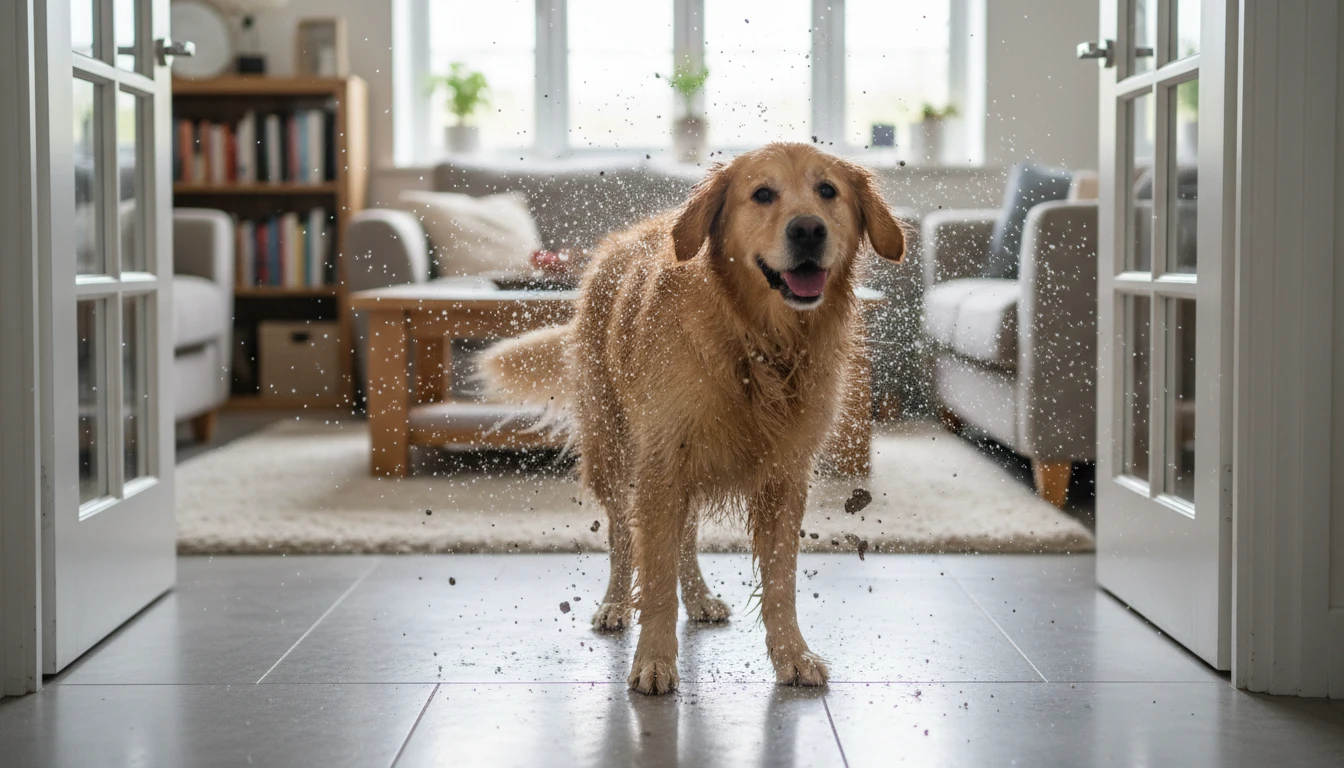
The primary issue during the monsoon is persistent moisture. When your dog's paws remain damp, the skin between their toes and on their pads becomes a breeding ground for bacteria and fungi. This can lead to a range of problems, from mild irritation to painful
conditions like pododermatitis (inflammation of the paw skin) or yeast infections. These infections often present with redness, swelling, a musty odour, and persistent licking or chewing of the affected paw. Puddles can also hide sharp debris or harbour harmful bacteria like Leptospira, which poses a serious health risk if ingested.
The Post-Walk Paw Care Ritual
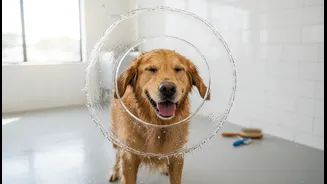
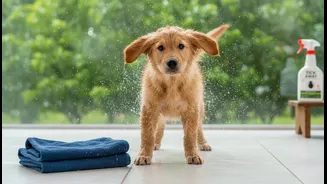
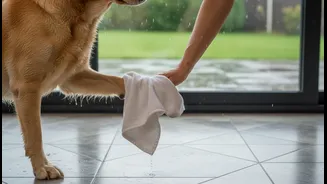
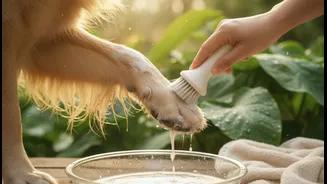
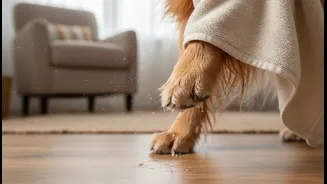
The most critical step in preventing monsoon paw problems is establishing a consistent cleaning and drying routine after every single walk. Simply wiping the tops of the paws isn't enough; moisture and mud love to hide between the toes. Keep a dedicated 'paw-kit' by your door with a microfibre towel, pet-safe wipes, and perhaps a gentle paw cleanser. After a walk, thoroughly wipe and dry each paw, paying close attention to the spaces between the pads. For very muddy paws, a quick rinse with lukewarm water may be necessary, but always ensure they are dried completely afterwards, as trapped moisture negates the cleaning effort.
Proactive Grooming for Prevention
A little grooming goes a long way. For dogs with longer fur, the hair around their paws can act like a sponge, trapping dirt and water. Keeping this fur trimmed short makes the drying process much faster and more effective. It also allows you to easily inspect the paws for any early signs of trouble, like cuts, thorns, or redness. Additionally, keeping your dog's nails trimmed is important. Long nails can change the way a dog's foot makes contact with the ground, potentially increasing susceptibility to injury.
To Boot or Not to Boot?
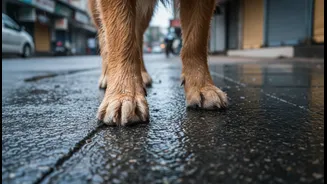
Waterproof dog boots can be an excellent line of defence, especially for dogs in urban environments or those with sensitive paws. They provide a physical barrier against wet, dirty pavements and protect against sharp objects or chemicals hidden in puddles. However, not all dogs will tolerate wearing them. If you choose to use boots, ensure they are the correct size to prevent chafing and introduce them to your dog gradually with positive reinforcement. An alternative for dogs who refuse boots is a paw balm or wax. Applied before a walk, these products can create a semi-permeable barrier that repels some water and protects the pads from rough surfaces.
Spotting the Red Flags for Infection
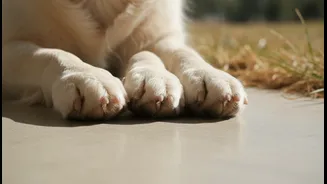
Daily inspection is key to catching problems before they escalate. After cleaning, take a moment to look and feel your dog's paws. Warning signs of an infection include persistent licking or chewing, redness, swelling, and a foul or musty odour often compared to corn chips. You might also notice discharge, crusty sores, or a reluctance to walk or bear weight on a particular foot. While mild irritation might resolve with diligent home care, any signs of a worsening infection, severe pain, or bleeding warrant an immediate trip to the veterinarian.