


What Are Sub-Irrigated Planters?
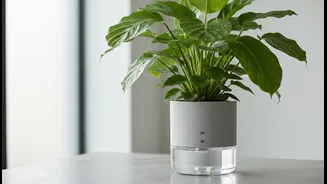
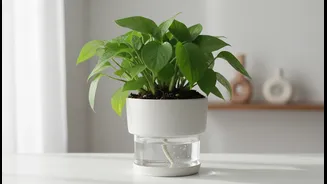
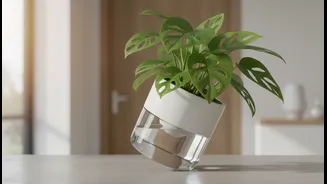
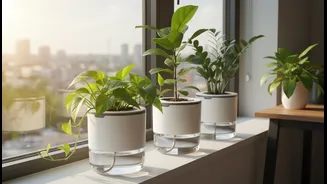
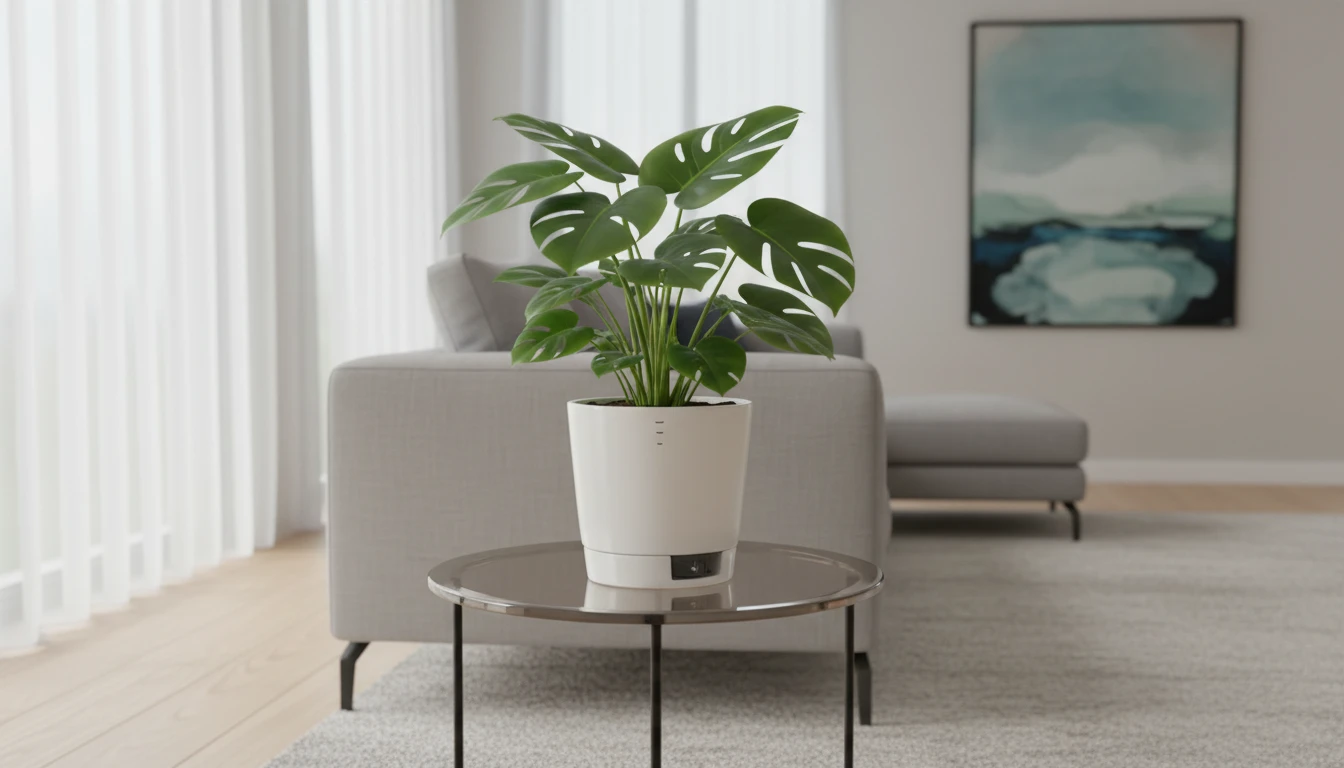
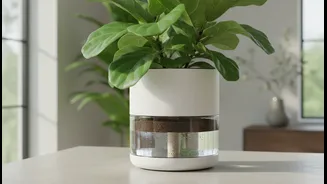
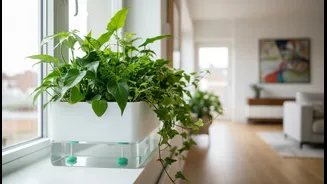
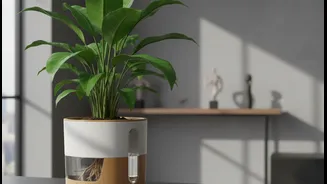
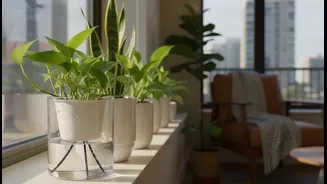
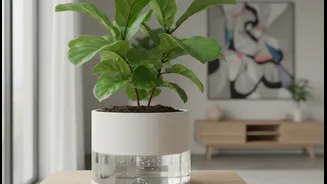
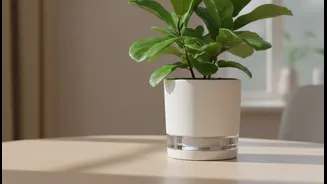
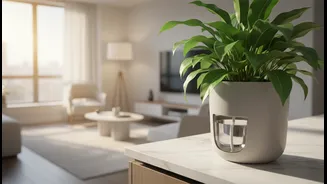
A sub-irrigated planter, often called a self-watering pot, is a container designed with a built-in water reservoir at the bottom. Instead of watering from the top and letting excess drain away, you fill this reservoir, typically through a dedicated tube.
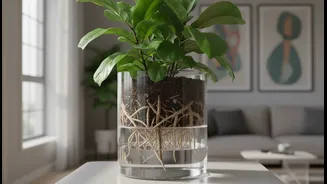
The planter then delivers water to the plant's roots from below. This design separates the main soil mass from the stored water, preventing the soil from becoming waterlogged while ensuring a consistent water source is available. All true self-watering planters include an overflow mechanism to drain excess water, which is crucial for preventing root rot, especially if the planter is used outdoors and exposed to rain.
The Science of Self-Watering
The magic behind sub-irrigated planters is a natural process called capillary action. Just as a paper towel wicks moisture from a spill, the soil in the planter draws water upward from the reservoir into the root zone. This process allows the plant to take up exactly as much water as it needs, when it needs it. It mimics how plants in nature often draw moisture from the water table deep below the surface. This consistent, on-demand hydration encourages healthier, stronger root systems and reduces the stress caused by fluctuating moisture levels from intermittent top-watering.
Key Benefits for Busy Plant Parents
The most obvious advantage is convenience. For those with busy schedules or who travel frequently, these planters are a game-changer, reducing watering chores from a daily task to a weekly or even bi-weekly one. They also eliminate the guesswork, preventing both over- and underwatering — two of the most common ways houseplants meet their demise. This leads to more consistent growth, lusher foliage, and healthier plants overall. Furthermore, because the water is enclosed in the reservoir and delivered directly to the roots, less water is lost to evaporation, making them a more water-efficient choice.
Are They Right for Every Plant?
While versatile, sub-irrigated planters are not a universal solution. They are ideal for plants that thrive in consistently moist soil, such as ferns, peace lilies, African violets, and many tropical foliage plants. Many vegetables and herbs also do exceptionally well in these systems. However, they are generally unsuitable for plants that require their soil to dry out completely between waterings. This includes most succulents and cacti, as well as Mediterranean herbs like rosemary and lavender, which are prone to root rot in constantly moist conditions.
Best Practices for Success
To get the most out of your sub-irrigated planter, a few setup tips are key. First, use a light, well-aerated potting mix; dense garden soil won't allow for proper wicking. Many commercial mixes designed for containers work well. When you first pot a plant, you should water it from the top for the first few weeks. This initial top-watering helps the plant establish its root system and encourages the roots to grow downward toward the reservoir. After this establishment period, you can switch to filling the reservoir exclusively. It's also beneficial to let the reservoir dry out for a day or two between fillings to allow the roots a brief period of aeration, mimicking a natural dry-out period.