
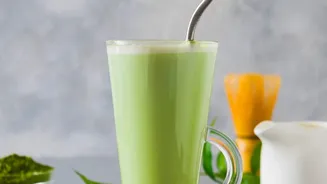
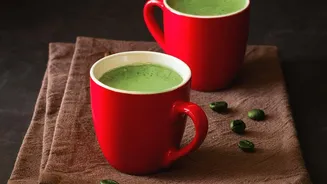
The Green Revolution in a Cup
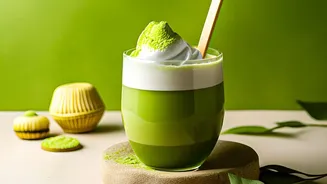
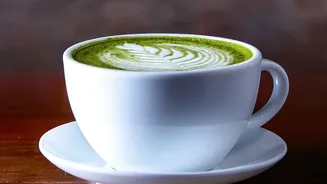
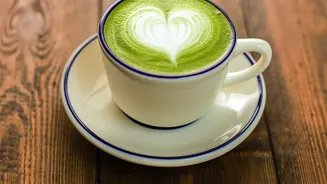
The shift is undeniable. In major Indian metros, the demand for matcha lattes is surging, transforming cafe menus and consumer habits. What was once a niche item found only in specialty wellness stores is now a mainstream star, available everywhere from
third-wave coffee shops like Blue Tokai and Third Wave Coffee to international chains like Starbucks. This isn't just a fleeting social media aesthetic; it's a significant cultural shift. The Indian matcha market is growing at a remarkable rate of 8.6% annually, nearly double the pace of the broader tea market, driven primarily by health-conscious millennials and Gen Z. They are seeking beverages that offer more than just a caffeine kick; they want a story, a wellness benefit, and a visually appealing experience.
What Exactly Is 'Artisanal' Matcha?
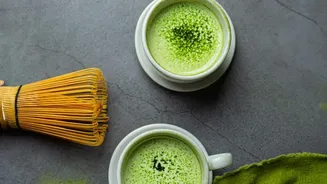
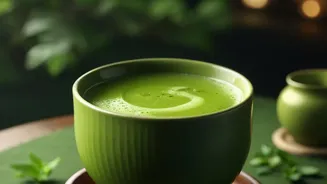
Not all green tea is created equal, and matcha stands in a class of its own. Unlike regular green tea, where leaves are steeped in water, matcha is a fine powder made from stone-ground, shade-grown tea leaves. This means you consume the entire leaf, unlocking a potent dose of nutrients. The term "artisanal" or "ceremonial grade" refers to the highest quality of matcha, made from the youngest, most tender leaves. This premium powder is known for its vibrant emerald colour, smooth texture, and a complex flavour profile that is umami-rich and naturally sweet, rather than bitter. This quality is what cafes in cities like Mumbai and Delhi are building their reputation on, offering a sophisticated alternative to mass-produced drinks.
The Calm Energy Alternative
A key driver of matcha's popularity is its unique effect on the body. While a cup of coffee can provide a sharp, immediate burst of energy, it often comes with jitters and a subsequent crash. Matcha, however, offers what many describe as a "calm-alertness." This is due to the presence of L-theanine, an amino acid that promotes relaxation and focus, counteracting the stimulating effects of caffeine. The caffeine in matcha is absorbed more slowly, providing a sustained energy boost that can last for hours without the anxiety or spike-and-crash cycle associated with coffee. For many, this makes it a superior choice for a productive afternoon or a mindful morning ritual.
A Status Symbol of Wellness
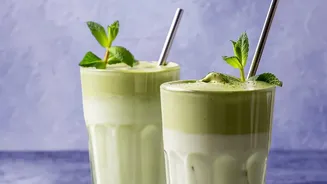
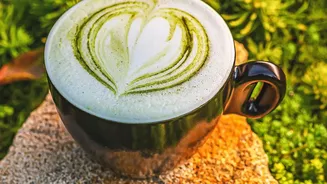
In India's bustling urban centres, ordering a matcha latte has become a statement. It signals an investment in personal well-being and an alignment with global wellness trends. While an artisanal matcha latte can cost anywhere from ₹250 to ₹450, often making it more expensive than an iced coffee, consumers see it as an affordable luxury. The price point is justified by its perceived health benefits, including a high concentration of antioxidants which are known to fight cell damage. The drink's photogenic nature has also played a huge role, making it a staple on social media feeds and further cementing its status as the beverage of the moment for those who value both health and aesthetics.