






The Terroir of Taste
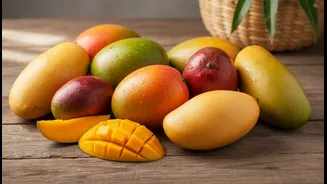
In the world of fine food, the term 'terroir' is often used to describe how a specific region’s climate, soil, and traditions shape the taste of wine or cheese. India’s mangoes offer a perfect, and perhaps more delicious, example of this concept. The
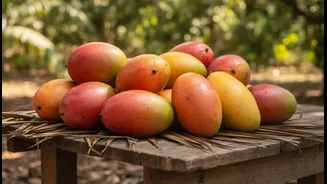
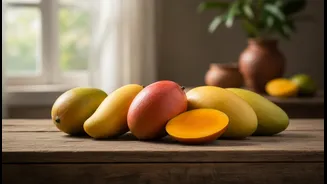
creamy, saffron-scented Alphonso from Maharashtra’s Konkan coast is a world apart from the sweet, fibrous Langra of Bihar and Uttar Pradesh. The famous Dasheri from the Malihabad region near Lucknow carries its own unique pleasant sweetness. These differences aren’t accidental; they are the direct result of distinct agro-climatic zones. Each variety has adapted over centuries to a specific recipe of sun, soil, and water. The coastal humidity of the Konkan, the dry heat of Gujarat, and the alluvial plains of the Gangetic belt each contribute to the unique character of their signature mangoes. To taste these fruits side-by-side is to take a sensory journey across the subcontinent.
When Climate Disrupts the King
The Alphonso, often called the 'King of Mangoes', is famously sensitive. Its cultivation requires a delicate balance of weather: cool nights and warm days to trigger flowering around December and January, followed by a dry period for the fruit to set. However, climate change is rewriting this natural calendar. Unseasonal rains and high humidity during the flowering phase can cause devastating fungal infections and prevent fruit from forming. Conversely, sudden heatwaves can scorch the delicate blossoms or affect pollinators like bees, leading to poor fruit setting. Farmers in the Konkan region have reported significant losses in recent years due to these erratic weather patterns, with some seeing yields drop by as much as 90 percent in a bad year. This volatility not only affects the availability of the prized fruit but also drives up costs, making the king's ransom ever higher.
A Nationwide Story of Stress
The challenges are not confined to the coast. In North India, the famed mango belt of Malihabad in Uttar Pradesh is facing its own climate crisis. The Dasheri mango, which has a Geographical Indication (GI) tag for its origin, depends on a specific weather cycle for its development. But farmers there report that unusually high temperatures in early spring are causing flowers to dry up and fall before they can be pollinated. Erratic rainfall and hailstorms further damage the young fruit, leading to lower yields and smaller sizes. Production has fallen dramatically over the past few decades, forcing farmers to become increasingly reliant on pesticides to combat a rise in pests and diseases that thrive in the changing conditions. This situation is mirrored across the country, with different varieties facing unique threats from a climate that is no longer predictable.
Cultivation as the First Line of Defence
In response to these challenges, mango growers are being forced to adapt. Traditional farming methods are giving way to more intensive and scientific approaches. This includes the use of drip irrigation to manage water scarcity, netting to protect from hail, and a more calculated use of fungicides and pesticides to ward off disease. Some farmers are experimenting with different planting densities and canopy management techniques to improve air circulation and sunlight penetration, which can help reduce the risk of fungal growth. Agricultural scientists are also working to develop new mango cultivars that are more resilient to heat and disease. However, these adaptations come at a significant cost, increasing the financial burden on farmers who are already dealing with the uncertainty of a fluctuating market and unpredictable weather. Many farmers find themselves caught in a difficult cycle of rising expenses and declining income.
What Your Choice at the Market Means
As consumers, our connection to this story begins where the farmer’s ends: at the market stall. Understanding the journey of a mango can transform how we appreciate it. When you choose a mango, especially one with a GI tag, you are not just buying a fruit; you are supporting a specific region and its agricultural heritage. A GI tag is a guarantee of origin, protecting both the consumer from counterfeit products and the farmer from unfair competition. It certifies that the Alphonso in your basket truly came from the Konkan coast and possesses the qualities unique to that region. Appreciating the difference between a Dasheri and a Kesar becomes more than a matter of preference; it becomes an acknowledgment of the distinct environmental and human effort that produced each one. The mango on your plate is a story of soil, sun, and immense struggle against a changing climate.