






The Challenge of Speed
Quick-commerce platforms have revolutionised urban living, making it possible to get anything from milk to mangoes in under 30 minutes. This is achieved through a network of 'dark stores'—small, local warehouses packed with inventory. The business model
prioritises one thing above all else: speed. While incredibly convenient, this focus on rapid fulfilment can sometimes create challenges for quality control, such as maintaining a perfect 'cold chain' for frozen and dairy items or conducting the rigorous stock rotation that prevents expired goods from reaching customers. Recent incidents and even notices from the Food Safety and Standards Authority of India (FSSAI) highlight cases where consumers have received spoiled or expired products, underscoring the need for consumer vigilance.
Your At-the-Door Audit
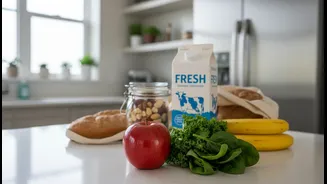
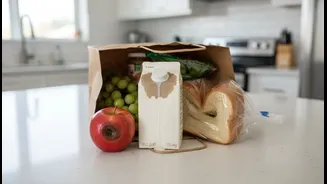
You don't need to be a food safety expert to perform a quick, effective check the moment your order arrives. Think of it as a simple triage to catch any major issues immediately. First, feel any chilled or frozen items. Do they feel appropriately cold? Lukewarm dairy or thawing frozen goods are a red flag for a broken cold chain. Second, give the packaging a once-over. Look for any significant tears, leaks, or crushed boxes that could compromise the food inside. Finally, take a quick glance at the expiry date on one or two key perishable items, like bread or a carton of milk. This initial five-minute check can save you from accepting a subpar order.
A Category-by-Category Inspection Guide
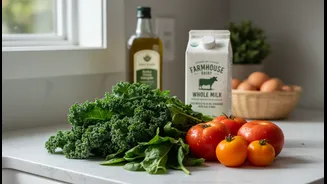
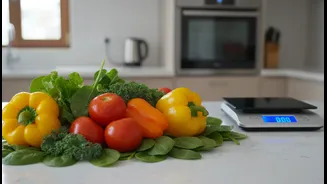
Once you've brought the groceries inside, a more detailed check is in order, especially for high-risk items. For fresh fruits and vegetables, check for wilting, unusual soft spots, mould, or discolouration. For dairy products and meats, the 'use by' date is paramount. The packaging should be completely sealed; any puffiness or bloating in a yoghurt cup or meat package can be a sign of bacterial growth and means the product should not be consumed. With packaged goods like biscuits, chips, or canned items, check for broken seals and significant dents in cans, which can sometimes indicate a risk of botulism. Trust your senses—if something smells or looks off, it's better to be safe and report it.
Decoding 'Best Before' and 'Expiry' Dates
Understanding food labels is one of the most powerful tools a consumer has. In India, the terms 'Best Before' and 'Expiry Date' (or 'Use By') mean very different things. A 'Best Before' date is a marker of quality. The food is still safe to eat after this date, but its taste, texture, or nutritional value might have declined. An 'Expiry Date' or 'Use By' date, however, is a safety deadline. You should never consume a product after this date has passed, as it may be harmful to your health. This is especially critical for perishable items. FSSAI has also issued guidelines that e-commerce items should have a significant portion of their shelf life—such as 30% or 45 days—remaining at the time of delivery, to protect consumers from receiving items near their end-date.
What to Do When You Find an Issue
Finding a spoiled or expired item is disappointing, but the resolution process on most quick-commerce apps is designed to be user-friendly. Do not simply discard the item. The first step is to document the problem by taking clear photographs of the issue—whether it's mould, an expiry date that has passed, or damaged packaging. Next, navigate to the customer support or help section within the app where you placed the order. Most platforms have a simple process for reporting issues with specific items in your delivery. By reporting the problem, you are not only likely to receive a quick refund or replacement, but you are also providing valuable feedback that helps the company identify and correct supply chain or dark store issues.