






Know the Forecast, Know the Risk
Before you even pack your bags, the first step is to get a clear picture of the weather you’re heading into. The India Meteorological Department (IMD) has forecast widespread rainfall for the upcoming weekend, with heavy to very heavy spells expected
in several regions, including parts of Maharashtra, Gujarat, Rajasthan, Uttarakhand, and Himachal Pradesh. A deep depression moving inland is the primary driver of this weather pattern. Don’t just rely on a general city forecast; use the IMD’s website or app to check for district-level alerts. These alerts often use a colour-coded system (green, yellow, orange, red) to indicate the severity of expected weather, which can help you assess the risk of disruptions like waterlogging or landslides. An orange or red alert may be a strong signal to reconsider your travel plans.
Your Pre-Trip Vehicle Checklist
A well-maintained vehicle is your first line of defence against treacherous road conditions. Start with the basics. Ensure your tyres have adequate tread depth and are properly inflated; good tyres are essential for gripping wet roads and preventing hydroplaning. Next, check your wiper blades. If they leave streaks or don't clear the windscreen effectively, replace them. Clear visibility is non-negotiable in a downpour. Finally, test all your lights—headlights, taillights, and brake lights. In many areas, it is required to have your headlights on when visibility is poor or wipers are in use, as it helps other drivers see you.
Driving Safely Through the Downpour
Once you are on the road, adjusting your driving style is critical. The most important rule is to slow down. Speed limits are designed for ideal conditions, not heavy rain, and reducing your speed gives you more time to react. Double your following distance from the vehicle in front to at least four or five seconds, as stopping takes much longer on wet roads. Avoid using cruise control, as it can increase the risk of losing control if you hydroplane. If you feel your car start to hydroplane—a sensation of floating as your tyres lose contact with the road—ease your foot off the accelerator and steer gently in the direction you want to go. Do not brake suddenly.
Navigating Specific Monsoon Hazards
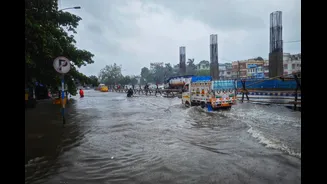
Heavy rains in India bring specific dangers depending on the terrain. In hilly regions like Himachal Pradesh and Uttarakhand, the risk of landslides and falling debris is significantly higher, often leading to road closures. Authorities frequently advise against night driving on mountain roads during heavy rain. In cities and plains, waterlogging is a common problem. Avoid driving through large pools of standing water, as it’s often impossible to tell how deep it is or if there are hidden hazards underneath. If you must cross a waterlogged patch, do so slowly and in a low gear. If your car stalls, do not attempt to restart it, as this can cause severe engine damage.
When It's Wiser to Stay Home
The most important part of any trip is returning safely. Sometimes, the wisest decision is to postpone or cancel. If authorities have issued strong warnings for your destination or the route to get there, it’s a sign to take seriously. Keep your travel plans flexible and, where possible, book accommodation with a forgiving cancellation policy. A weekend getaway is meant to be relaxing. If the journey there is fraught with risk and stress due to extreme weather, it may be better to wait for a clearer, safer weekend. After all, the mountains, beaches, and cities will still be there when the sun comes out again.