








Beyond the Traditional Steam Room
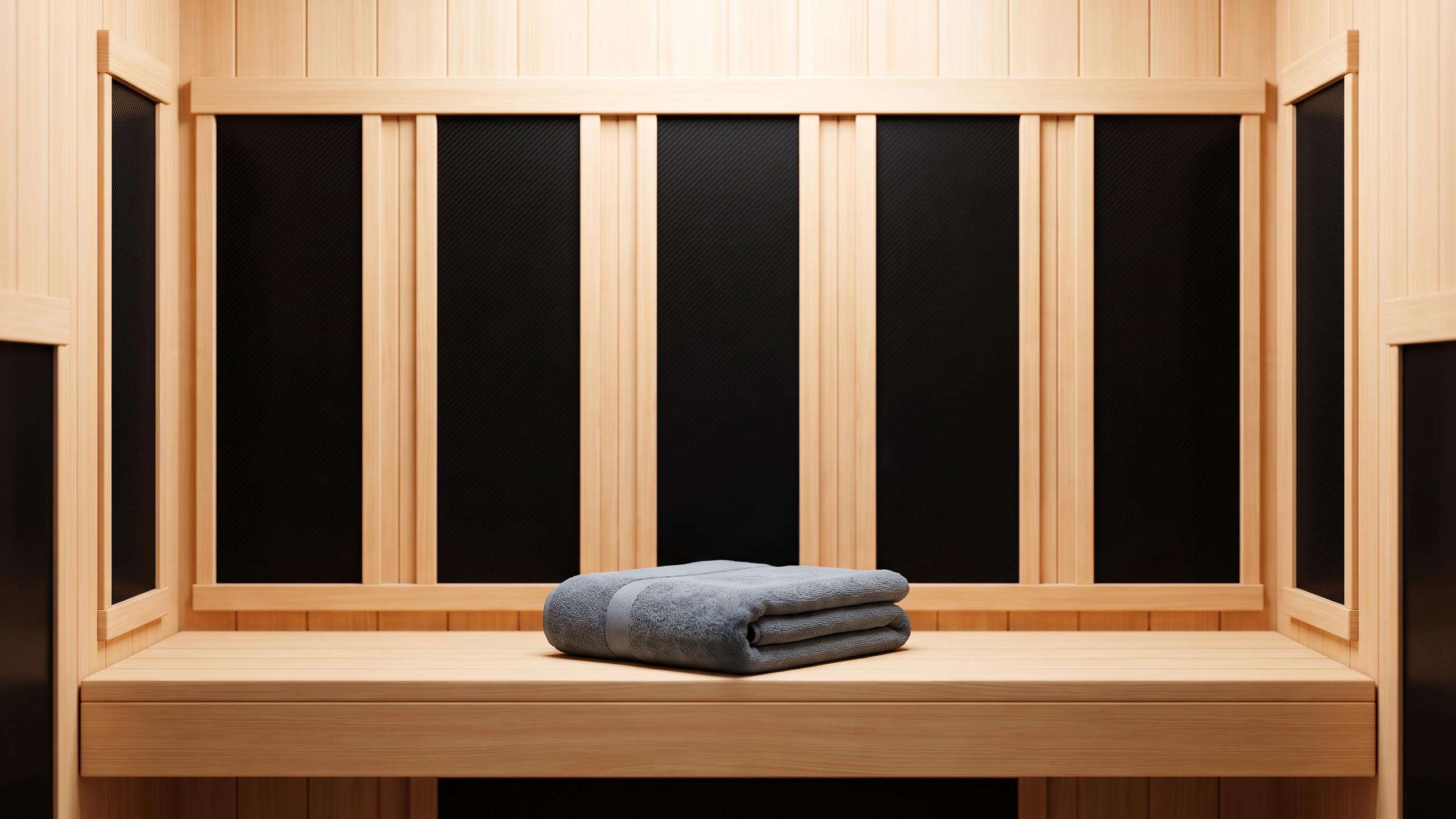
While traditional saunas have been a post-workout ritual for generations, infrared saunas operate on a different principle. Instead of using steam or electric stoves to heat the air around you to very high temperatures, infrared saunas use light to heat your
body directly. This method allows for a deeper warmth that penetrates muscles and joints without the overwhelmingly hot air of a conventional sauna, making for a more comfortable session that many find easier to tolerate for longer periods. The experience is a dry heat, often described as more gentle, that raises your core body temperature from the inside out, triggering a cascade of physiological benefits.
The Science of Improved Circulation
The primary reason fitness enthusiasts are embracing infrared saunas lies in their effect on blood flow. The infrared light penetrates deep into muscle tissue, causing blood vessels to widen in a process called vasodilation. This significantly increases circulation, with some reports suggesting blood flow can nearly double during a session. Enhanced circulation acts like a delivery service for your muscles, rushing oxygen and essential nutrients to the tissues that need repair after intense exercise. At the same time, this improved flow helps to more efficiently flush out metabolic byproducts, like lactic acid, which can contribute to fatigue and soreness.
Tackling Muscle Soreness Head-On
Anyone who has felt the ache of Delayed Onset Muscle Soreness (DOMS) knows it can derail a training schedule. This is where infrared saunas show significant promise. Research suggests that post-exercise infrared sessions can markedly reduce muscle soreness. Studies have found that using an infrared sauna after a workout helps preserve muscle performance and lessens the perceived pain that typically peaks a day or two later. The heat helps to relax tense muscles while the increased blood flow reduces inflammation, a key driver of soreness and stiffness. This combination helps athletes and gym-goers bounce back faster, feeling more ready for their next session.
A Boost for Cellular Repair
Beyond just feeling good, the heat from an infrared sauna initiates a healing response at the cellular level. Heat exposure stimulates the production of special molecules known as 'heat shock proteins'. These proteins play a vital role in repairing damaged cells and protecting them from stress, which is exactly what's needed after muscles undergo the microscopic tears caused by exercise. This cellular repair mechanism, combined with a potential spike in growth hormone, provides a powerful foundation for muscle regeneration and adaptation, helping the body not just recover, but build back stronger.
What to Know Before You Go
A typical infrared sauna session lasts between 15 and 30 minutes, which studies show is effective for recovery. The key is consistency. Like exercise, the benefits of sauna use are cumulative. Hydration is non-negotiable; be sure to drink plenty of water before and after your session to replenish fluids lost through sweating. While generally safe for most healthy adults, it's wise to be cautious. People with certain conditions like cardiovascular disease, low blood pressure, or those who are pregnant should consult a doctor before use. It's always best to start with shorter sessions at a lower temperature and see how your body responds.