

The Science of a Warm Touch
Have you ever noticed how a metal bench feels colder than a wooden one, even when both are the same temperature? That sensation isn't just in your head. Our perception of temperature is linked to heat transfer. Materials like metal and glass are excellent
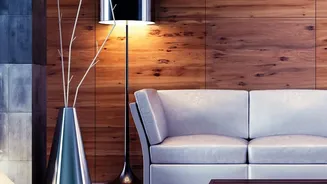
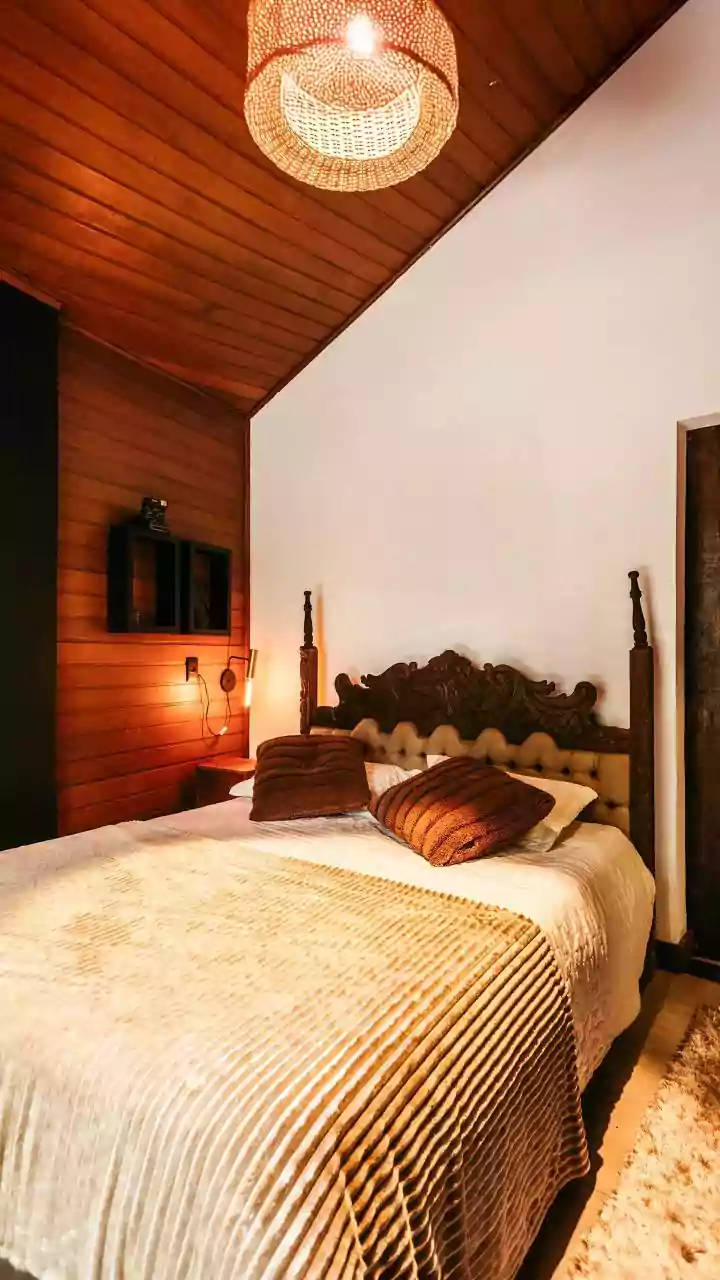
conductors, meaning they rapidly pull heat away from your hand, creating a feeling of coldness. Wood, on the other hand, is a natural insulator. Its cellular structure is less dense and traps heat at the surface, so when you touch it, it doesn't sap your warmth. This physical property translates directly into the feeling it creates in a room. While chrome and glass reflect light and sound, creating a sharp and sometimes sterile environment, wood absorbs them, softening the acoustics and lending a quieter, more peaceful ambiance.
A Deep-Rooted Love for Nature
Beyond the physical properties, our connection to wood is psychological. The concept of 'biophilic design' is built on the idea that humans have an innate need to connect with nature. Incorporating natural materials like wood, stone, and plants into our homes has been shown to reduce stress, improve focus, and promote a sense of well-being. The unique grain, organic patterns, and subtle imperfections in a piece of wood tell a story, connecting us to the natural world in a way that uniform, manufactured surfaces cannot. This visual and tactile richness makes a space feel grounded, authentic, and alive. While a glass table is simply a surface, a wooden one is a piece of nature brought indoors.
More Than Just Farmhouse Charm
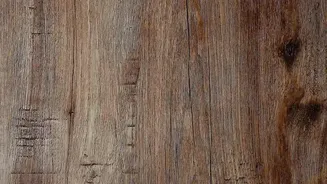
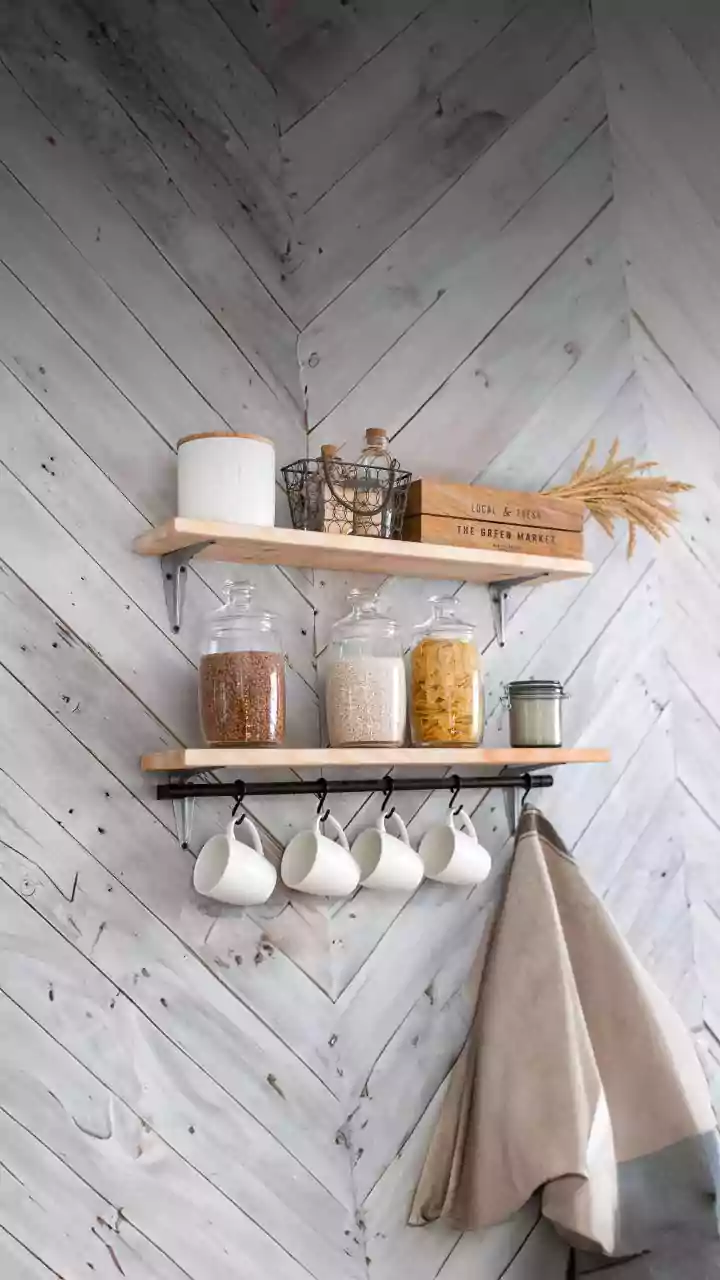
When people hear 'rustic wood,' they often picture heavy, dark log cabins or country farmhouse aesthetics. But the reality is far more versatile. The 2026 design landscape embraces natural materials in all their forms. Light-toned woods like oak and ash can create a sense of 'warm minimalism,' where spaces are uncluttered but feel soft and approachable. Reclaimed wood with a history adds character and a focal point to a modern room. Even dark woods like walnut can feel sophisticated and elegant when paired with clean lines. The key is in the finish and form. A live-edge coffee table, a set of smooth wooden shelves, or even a single sculptural wooden bowl can introduce warmth without dictating a full-blown rustic theme.
How to Blend Wood with Modern Decor
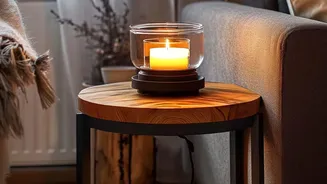
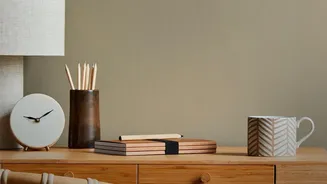
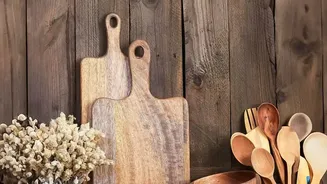
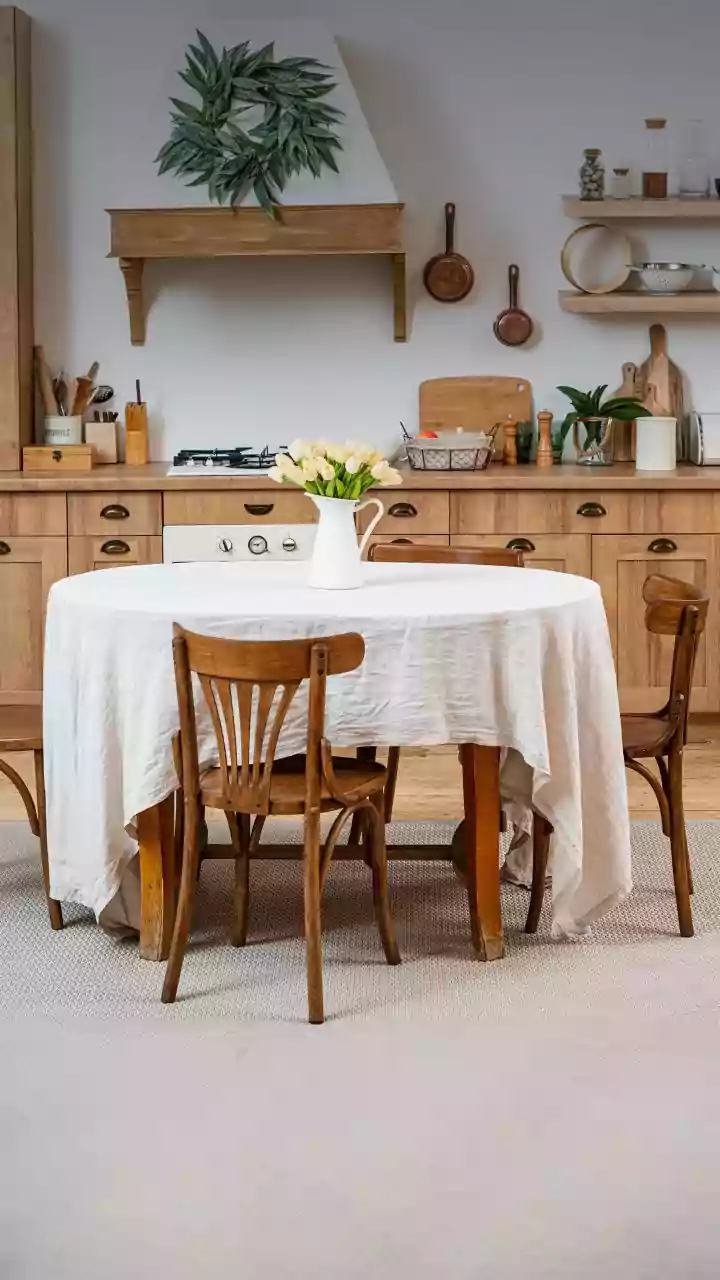
You don't need to choose between a rustic retreat and a modern marvel. The most compelling interiors often strike a balance between the two. The trick is to treat wood as a textural element that can soften a contemporary space. Think of it as a form of layering. Start by picking one statement wooden piece, like a dining table or a sideboard, and keep the surrounding elements modern. For instance, pair a reclaimed wood table with sleek, minimalist metal chairs. A neutral color palette of warm whites, beiges, and earthy greens can serve as a perfect backdrop, allowing the texture of the wood to stand out. You can also introduce wood in smaller doses: wooden picture frames, a handcrafted cutting board in the kitchen, or a side table. These small touches can break up the monotony of smooth surfaces and add instant character.
Finding Your Perfect Balance
The contrast between rough and smooth, natural and manufactured, is what creates visual interest. A modern rustic look isn't about following a rigid set of rules but about curating a space that feels right to you. It's about mixing a leather armchair with a linen sofa, or placing a rough-hewn wooden bench against a clean, white wall. Don't be afraid to mix different wood tones, or to pair a rustic element with a pop of unexpected color. The goal is to create a home that feels collected and personal, not one that looks like it was assembled from a single catalogue page. By thoughtfully integrating the timeless appeal of wood, you can build a space that offers both modern sophistication and the comforting warmth of a true home.