



Understanding the Dark Sky
A dark-sky destination is an area certified for its exceptionally clear and dark night skies, free from the artificial glow of city lights. With light pollution affecting an estimated 80% of the world's population, these protected zones are becoming vital
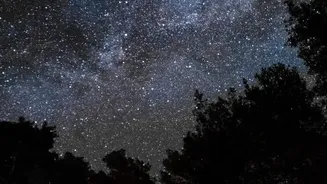
sanctuaries. They offer a chance to see the Milky Way, meteor showers, and countless constellations with the naked eye. These locations, often remote and at high altitudes, actively manage lighting to preserve their pristine darkness, making them a paradise for astronomers, photographers, and anyone seeking tranquility.
Hanle, Ladakh: India's First Dark Sky Reserve
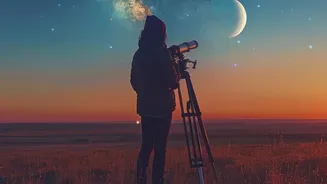
In the high-altitude desert of Ladakh lies Hanle, home to India's first-ever Dark Sky Reserve. Situated within the Changthang Wildlife Sanctuary at an elevation of 4,500 metres, Hanle boasts some of the darkest and clearest skies in the world. The dry, cold desert climate results in over 300 cloudless nights a year. The reserve was established in partnership with the Indian Institute of Astrophysics, which operates a major astronomical observatory here. Local communities are trained in astro-tourism, offering guided stargazing sessions with telescopes, making it a unique science-driven travel experience.
Spiti Valley: A Himalayan Stargazing Haven
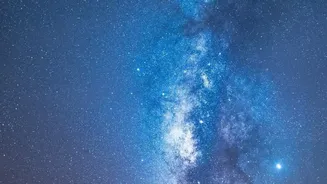
Spiti Valley in Himachal Pradesh is another Himalayan gem for stargazers. Its remote location and high altitude (averaging over 12,500 feet) create perfect conditions, with minimal light pollution and crisp, dry air ensuring exceptional clarity. The best time for stargazing is from May to October, when the roads are open and the skies are generally clear. Villages like Kibber, Langza, and Komic, as well as the area around Chandratal Lake, are famed for their unobstructed celestial views, where the Milky Way appears as a brilliant band across the sky.
Rann of Kutch: A Celestial Show Over Salt Flats
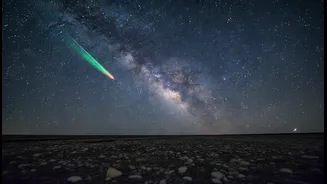
For a completely different landscape, the Great Rann of Kutch in Gujarat offers a surreal stargazing experience. The vast, flat salt desert provides an uninterrupted 180-degree view of the night sky, far from urban light pollution. During the Rann Utsav (November to February), the cool, clear winter nights are ideal for watching the cosmos. On a moonless night, the stars seem to multiply, reflecting faintly on the white salt crust below, creating a truly magical and profound connection with the universe.
Coorg: Stargazing in the Western Ghats
Proving that dark skies aren't exclusive to deserts and high mountains, the southern parts of Coorg (Kodagu) in Karnataka offer some of the darkest skies in South India. Nestled in the lush Western Ghats, areas around Srimangala and the Brahmagiri foothills are rated as having excellent dark skies, far from the city glow of Bengaluru or Mysuru. Several private observatories and resorts in the region offer guided stargazing sessions with powerful telescopes, making the cosmos accessible even to beginners. The best viewing season is from November to May.
Tips For Your Stargazing Trip
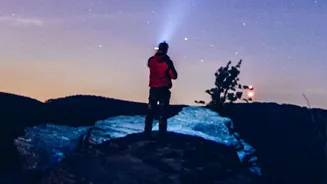
To make the most of your nighttime escape, timing is everything. Plan your trip around the new moon, when the sky is darkest and stars are most visible. Winter months often have clearer, less hazy air. Pack warm layers, as temperatures can drop significantly at night, even in summer. A pair of binoculars can dramatically enhance your view of the moon's craters and star clusters. Finally, use a red-light torch instead of a white one; it helps preserve your night vision and takes about 20-30 minutes for your eyes to fully adapt to the dark.