





An Unwanted Record
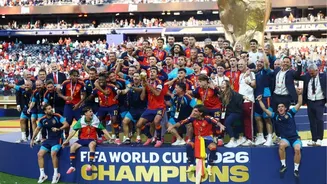
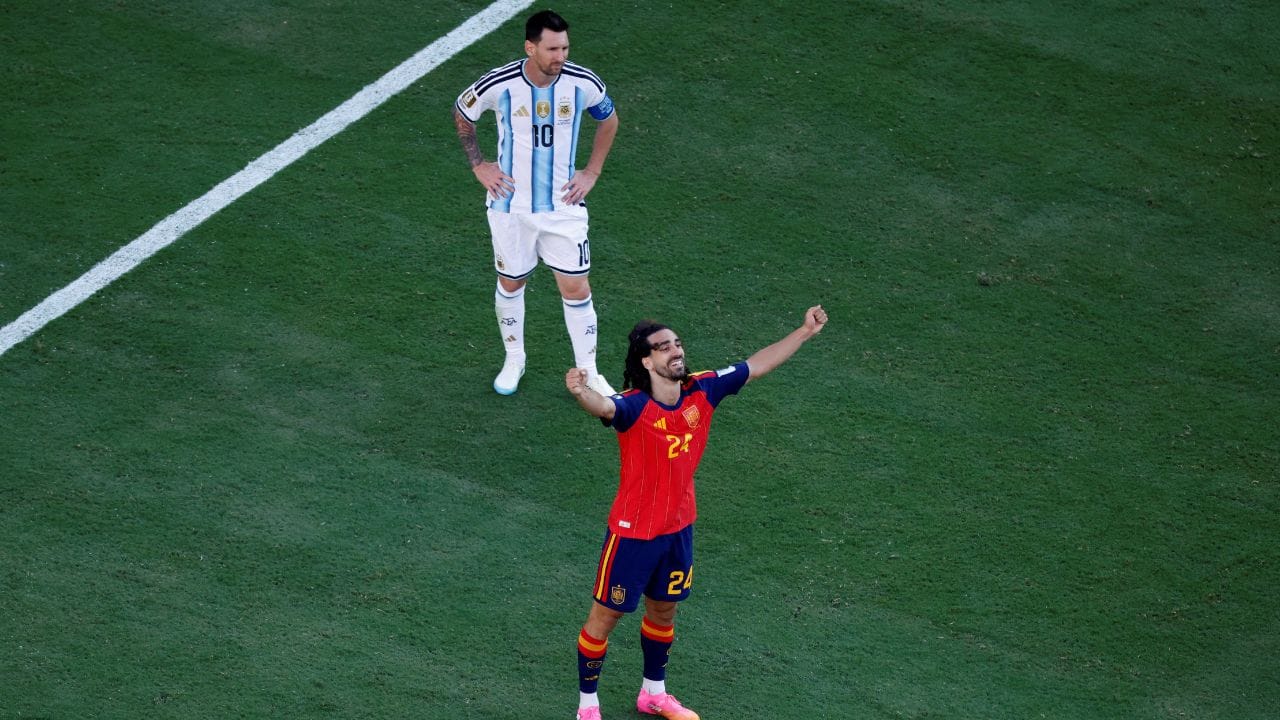
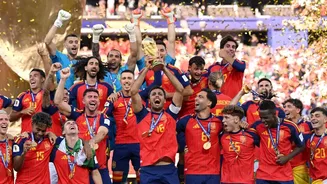
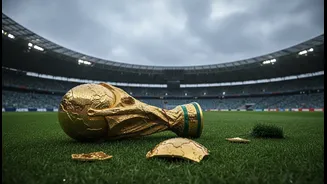
With the devastating 1-0 defeat to Spain on July 19, 2026, Argentina has now lost the FIFA World Cup final four times. This loss elevates them into a tie with Germany for the most final defeats in the tournament's history. It is a statistical tie that
no footballing nation wants to claim, representing the thinnest of margins between eternal glory and national agony. The four losses are spread across nearly a century of football, each leaving its own unique scar on the psyche of the football-mad country. For Argentina, reaching the final is a celebrated achievement, but falling at the last hurdle has become a defining, and recurring, part of their World Cup legacy.
The First Heartbreak: 1930
Argentina’s history of final defeats began at the very first World Cup in 1930. As one of the tournament's thirteen participants, they blazed a path to the final in neighboring Uruguay. The stage was set in Montevideo for an all-South American climax against the hosts. After a promising start, Argentina ultimately succumbed to a 4-2 defeat, becoming the first-ever World Cup runners-up. It was a bitter pill to swallow, establishing a precedent of final-day disappointment that would revisit the nation in future generations. The pain of that initial loss was the first chapter in a long and complex relationship with football's biggest prize.
Maradona's Agony: 1990
Sixty years after their first final, Argentina, led by the legendary Diego Maradona, reached the final again at Italia '90. They were the defending champions, having won in 1986 against West Germany. In a dramatic twist, they faced the same opponent in the 1990 final in Rome. Unlike the glory of four years prior, this match was a tense, attritional affair. The game was ultimately decided by a single, controversial penalty awarded to West Germany in the 85th minute. Andreas Brehme converted the spot-kick, and Argentina, who finished the match with nine men, lost 1-0. For Maradona and his team, it was a bitter and contentious end to their title defense.
Messi's Near Miss: 2014
Another 24 years would pass before Argentina contested another final, this time at the 2014 World Cup in Brazil, the home of their greatest rivals. Led by Lionel Messi, who was at the peak of his powers, La Albiceleste battled their way to the final at the iconic Maracanã Stadium. Their opponent, once again, was Germany. In a painfully tight and nerve-wracking match, neither side could break the deadlock in normal time. The game stretched into extra time, and with penalties looming, German substitute Mario Götze volleyed home the winning goal in the 113th minute. The 1-0 defeat was a crushing blow, and the image of Messi staring blankly at the trophy became a symbol of his and his country’s agonizing wait for glory.
The Cruelest Coda: 2026
The latest chapter in this painful history was written in New Jersey. Having gloriously won the 2022 World Cup, Argentina arrived at the 2026 final against Spain with hopes of becoming only the third nation to win back-to-back titles. In what was likely Lionel Messi’s final World Cup match, the narrative seemed set for a fairytale ending. However, a clinical second-half strike from Spain's Ferran Torres sealed a 1-0 victory for the European side. The defeat was a brutal end to a spectacular tournament for the 39-year-old Messi and denied Argentina a historic achievement, adding a fourth and particularly cruel silver medal to their collection.
A Legacy of Resilience
While the story of four final defeats is one of profound heartbreak, it is not the complete picture. Argentina's identity is also forged in glorious victory. They have been crowned World Champions three times, each win a moment of national euphoria. The first came on home soil in 1978, with Mario Kempes leading the charge against the Netherlands. The second, in 1986, was orchestrated by the genius of Diego Maradona, capped by a thrilling 3-2 final victory over West Germany. And most recently, the 2022 triumph in Qatar, where Lionel Messi finally captured the one trophy that had eluded him in a final for the ages against France. These three stars on their crest are a testament to their enduring power and resilience.