



Why We Crave Salt in the Heat
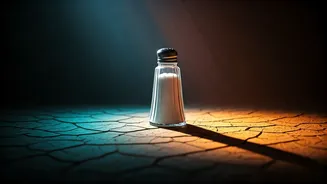
That urge for a salty snack when it’s scorching outside isn’t just in your head. When we sweat, our bodies lose not just water but also essential electrolytes, including sodium. This loss can trigger a natural craving for salt as the body tries to replenish
what it has lost and maintain its delicate fluid balance. A little bit of salt is necessary for nerve function and muscle contractions. However, the problem begins when this natural signal leads us to overcompensate, reaching for snacks that deliver a massive, unnecessary dose of sodium far beyond what our bodies actually need to recover from a bit of sweating.
The Dehydration Double-Cross
Here's the cruel irony: while a small amount of salt helps your body retain water, an overload does the exact opposite. Think of sodium like a magnet for water. When you consume too much salt, your body pulls water from its cells into the bloodstream to dilute the excess sodium. This process can leave you feeling even more thirsty and dehydrated than before, creating a vicious cycle where you might reach for another salty snack. This extra fluid in your bloodstream also increases blood volume, forcing your heart to work harder and raising your blood pressure. Over time, this can put significant strain on your heart and kidneys, which are already working overtime to keep you cool in the summer heat.
Meet the Usual Salty Suspects
Many of our favourite go-to summer snacks are loaded with hidden salt. Packaged foods are the most obvious culprits. A single serving of potato chips or bhujia can contain a significant portion of your recommended daily sodium intake. But it doesn't stop there. Street-side chaat, while delicious, often uses pre-made chutneys, masalas, and fried elements that are high in salt. Even seemingly healthy items like pickles and papads, staples in many Indian meals, are preserved with large amounts of salt. The salt adds up quickly, and before you know it, you’ve consumed two or three times the healthy limit in just a few snacks.
What the Experts Recommend
The World Health Organization (WHO) recommends that adults consume less than 5 grams of salt (which is about one teaspoon) per day. This equates to about 2,000 milligrams (mg) of sodium. Unfortunately, studies have shown that the average salt intake in India is much higher, often double the recommended amount. Reading food labels is a crucial first step. Look for the 'sodium' content on the nutritional information panel. A product is considered low in sodium if it has 140 mg or less per serving. Be wary of serving sizes; a small packet of chips might contain two or three servings, multiplying the sodium hit.
Smarter Snacking Strategies
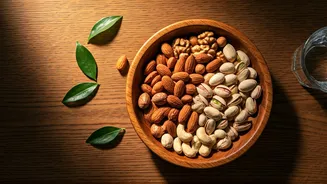
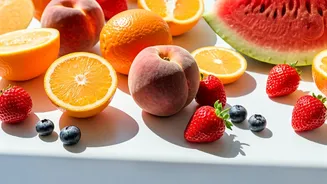
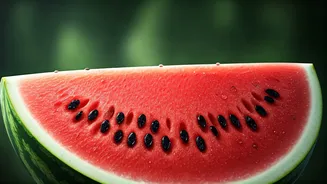
Cutting back on salt doesn't mean your snacks have to be bland. The key is to take control of the ingredients. Instead of store-bought chaat, try making it at home where you can control the amount of salt in the chutneys and masala. Swap salty packaged snacks for fresh, hydrating alternatives like cucumber sticks, watermelon cubes, or a bowl of curd. When you need that savoury fix, try roasted (not fried) makhana or nuts lightly seasoned with herbs like oregano, chilli flakes, or black pepper instead of salt. Hydrate primarily with plain water, nimbu pani (with minimal salt), or coconut water, which naturally contains electrolytes without the sodium overload of processed drinks.