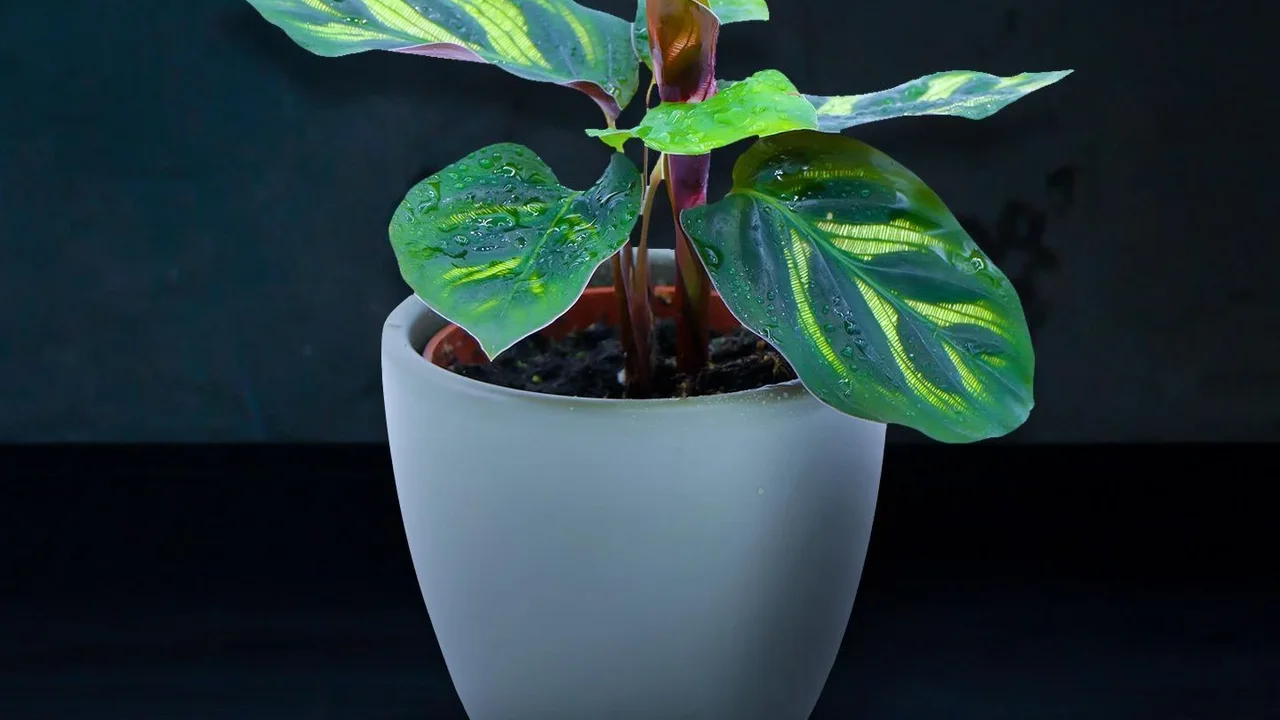



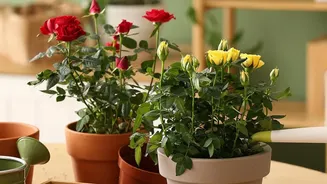
Rethink Your Watering Schedule
The number one mistake in monsoon plant care is sticking to a summer watering routine. With high humidity in the air, soil dries out much more slowly. A plant that needed water every three days in May might only need it every ten days in July. Continuing
to water on a fixed schedule can lead to waterlogged soil, which suffocates roots and causes them to decay—a condition known as root rot. Instead of relying on a calendar, use the finger test: insert your finger about an inch into the soil. If it feels damp, wait another day or two before watering. If it feels dry, it's time to give your plant a drink. Always ensure your pots have drainage holes and empty any water that collects in the saucer underneath.
Maximise Low Light
Overcast skies mean significantly less sunlight, which is the fuel for photosynthesis and growth. You might notice your plants looking 'leggy' or stretched as they reach for a light source, or their vibrant colours may start to fade. To counteract this, you need to be proactive. Move your plants closer to windows that receive the brightest, albeit indirect, light. Wiping down window panes to remove dust can also make a surprising difference. Rotating your plants every few days is also a good practice to ensure all sides get some exposure, promoting more even growth. Cleaning the leaves of your plants with a soft, damp cloth will remove dust and help them absorb the limited available light more efficiently.
Manage Humidity and Airflow
While many tropical houseplants enjoy humidity, the stagnant, damp air of a closed room during monsoon can be a breeding ground for fungal diseases like powdery mildew. These often appear as white or grey patches on leaves. Good air circulation is your best defence. If possible, open windows for a while on drier days to let fresh air in. Avoid crowding plants together; giving them some space allows air to move freely between them, which helps the soil surface dry out and discourages fungal growth. Contrary to what you might do in dry weather, hold off on misting your plants—the monsoon air is already providing more than enough moisture.
Ease Up on Fertiliser
With reduced sunlight, most plants slow their growth during the monsoon. Because they aren't growing as actively, they don't require as many nutrients. Fertilising too heavily during this period can stress the plant, as the unused mineral salts can build up in the already-soggy soil and burn the roots. It's best to reduce your fertilising frequency to about once every three to four weeks, or even pause it altogether. If you do fertilise, opt for a diluted, balanced liquid feed that is gentle and easily absorbed rather than a heavy, slow-release granular type.
Stay Vigilant About Pests
The warm, wet conditions that are challenging for plants are perfect for pests. Fungus gnats, tiny flies that breed in constantly moist soil, are a common nuisance during this season. Mealybugs and aphids also thrive in high humidity. The key is prevention and early detection. Regularly inspect your plants, paying close attention to the undersides of leaves and the surface of the soil. Allowing the top inch of the soil to dry out between waterings can deter fungus gnats. If you spot any pests, isolate the affected plant immediately to prevent them from spreading and treat with a simple, appropriate solution like a neem oil spray.