

Meet ChaSTE: The Moon's Thermometer
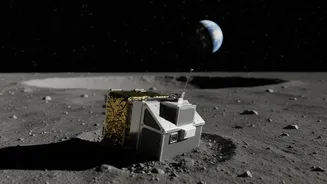
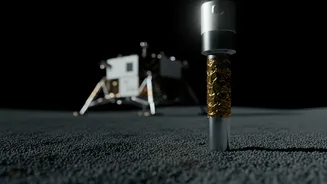
The instrument at the heart of this mission is called Chandra’s Surface Thermophysical Experiment, or ChaSTE. Developed by the Space Physics Laboratory (SPL) at VSSC and the Physical Research Laboratory (PRL) in Ahmedabad, its primary goal was to measure
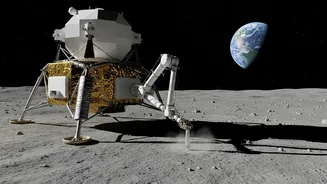
the temperature profile of the lunar topsoil. This wasn't just about checking if the Moon is hot or cold; it was about understanding the thermal behaviour of the lunar surface with unprecedented detail. The payload was a world-first, becoming the first instrument to successfully penetrate the soil of a celestial body to deploy a thermal probe for in-situ measurements. Previous attempts by other space agencies had unfortunately fallen short, making ChaSTE's success a significant milestone in planetary exploration.
A High-Tech Probe's Gentle Push
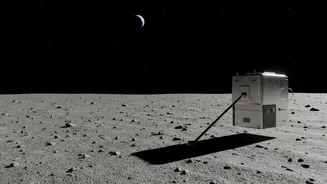
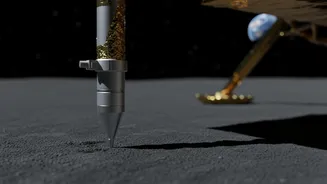
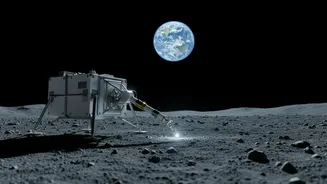
So, how did it work? ChaSTE consists of a probe equipped with a controlled penetration mechanism. Unlike previous missions that used a hammering technique, ISRO's scientists designed a clever system that slowly pushed the probe into the ground using a motor. This gentle, rotation-based mechanism was crucial to its success, allowing the probe to reach a depth of about 10 centimetres beneath the surface without significant disturbance. The probe itself is fitted with 10 individual temperature sensors, spaced about one centimetre apart. These sensors, made of platinum, are known as Resistance Temperature Devices (RTDs) and are designed for precise measurements. As the probe was pushed into the lunar soil, these sensors began sending back a stream of data, creating the first-ever thermal profile of the lunar south pole's subsurface.
The Surprising Temperature Gradient
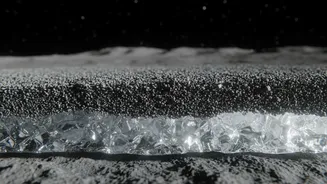
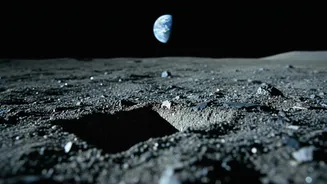
The data ChaSTE sent back was startling. ISRO released a graph showing a dramatic variation in temperature that nobody fully expected. While the surface temperature was measured to be around 50-60 degrees Celsius, it plummeted to approximately -10 degrees Celsius just a few millimetres below the surface. This huge temperature difference of around 70 degrees Celsius over such a small depth was a major finding. It demonstrated that the top layer of the lunar soil, or regolith, is an incredibly effective thermal insulator. It acts like a blanket, preventing the Sun's intense heat from penetrating deep into the ground.
Why This Finding Is Critical
This discovery has profound implications for future lunar exploration. The highly insulating property of the regolith is a critical piece of information for anyone planning to build structures on the Moon. It suggests that subsurface habitats could be naturally protected from the extreme temperature swings that occur on the lunar surface, which can range from boiling hot to freezing cold. Furthermore, this data is vital for the search for water ice. The fact that the subsurface remains so cold, even when the surface is hot, strengthens the theory that water ice could remain stable and preserved in permanently shadowed regions or just a short distance below the sunlit ground. The findings from ChaSTE help scientists refine models about where to look for this crucial resource, which could one day support human life and be used to produce rocket fuel.
Paving the Way for Future Missions
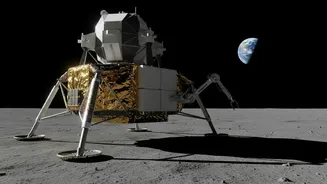
Beyond just measuring temperature, the ChaSTE experiment also included a small heater near the probe's tip. By warming the soil and measuring how the heat spread, scientists could determine the regolith's thermal conductivity—how easily heat moves through it. This helps in understanding the soil's density and physical structure. Data from the lander's 'hop' experiment also revealed that the regolith is layered, with a loose, fluffy layer on top and denser, more cohesive material just a few centimetres down. All this information, gathered by a single payload, provides an invaluable 'ground truth' that was previously unavailable. It refines our understanding gleaned from orbiters and provides a detailed blueprint of the local environment, directly informing the design and objectives of future robotic and human missions to the Moon's polar regions.