


Embrace Airtight Containers
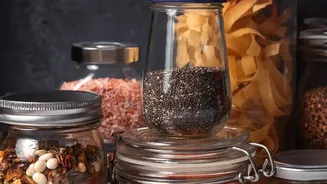
Humidity is the number one enemy of dry goods during the monsoon. Items like flour, pulses, spices, biscuits, and chips absorb moisture from the air, which leads to clumping, sogginess, and spoilage. The most effective defence is to store these items
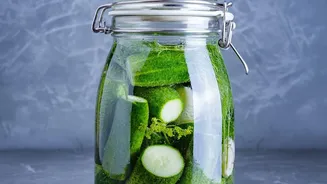
in completely airtight containers. Glass or high-quality, food-grade plastic containers with secure locking lids are your best bet. This simple step creates a barrier, preventing moisture and pests from ruining your pantry staples. For an extra layer of protection, ensure containers are bone-dry before filling them.
Handle Vegetables with Care
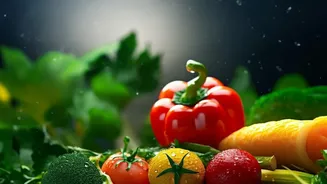
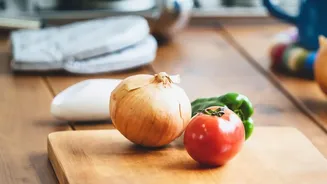
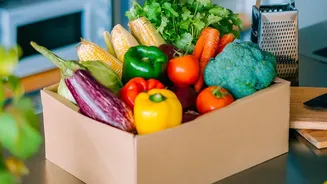
Fresh produce is particularly vulnerable during the rainy season. It's best to wash vegetables right before you use them, not before storing, as excess moisture accelerates decay. For leafy greens like spinach and coriander, wash them, pat them completely dry with a towel, then wrap them in paper towels before placing them in a container in the fridge. The paper absorbs extra moisture, keeping the leaves crisp. For other vegetables, ensure they are dry before refrigerating them in perforated bags or crisper drawers lined with paper towels to manage moisture levels.
Refrigerate Strategically and Cleanly
Your refrigerator works overtime during the monsoon. To ensure it functions effectively, avoid overloading it, as this restricts air circulation and creates warm spots. It's also crucial to keep it clean; wipe down shelves and drawers regularly to prevent microbial growth that can contaminate fresh food. Store perishable items like milk, meat, and leftovers promptly. When storing cooked food, allow it to cool down before refrigerating in covered containers to prevent condensation and bacterial growth.
Protect Your Spices and Flours
The damp air can make your aromatic spices clump together and lose their flavour, while flour can become a breeding ground for mould. Store them in airtight glass jars away from the stove's heat and steam. A common mistake is using a wet spoon to scoop out spices, which introduces moisture directly into the container; always use a dry spoon. For whole spices, you can lightly roast them periodically to remove any absorbed moisture and keep them fresh. For flours and grains, adding a bay leaf to the container can help repel pests.
Separate Different Food Groups
Not all foods play well together in storage. Many fruits, for instance, release ethylene gas as they ripen, which can cause nearby vegetables like carrots and leafy greens to spoil faster. It's a good practice to store fruits and vegetables in separate compartments or bins within your refrigerator to prolong their freshness. Similarly, to prevent cross-contamination, always keep raw meat, poultry, and seafood separate from cooked foods and fresh produce, both in shopping bags and inside the fridge.
Be Vigilant with Leftovers and Cooked Food
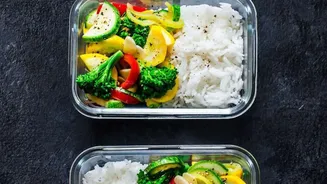
During the monsoon, it's wise to cook food in smaller batches to avoid having large amounts of leftovers, as they are highly susceptible to spoilage. If you do have leftovers, refrigerate them as soon as they cool. When it's time to eat them, make sure to reheat the food thoroughly until it is piping hot. For gravies, soups, and sauces, bringing them to a full boil helps kill any potential bacteria that may have developed. Never leave cooked food at room temperature for more than a couple of hours.