



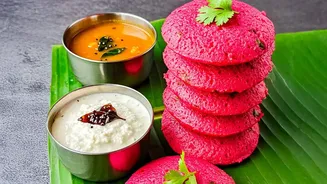

The New Breakfast Powerhouse
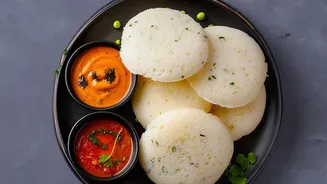
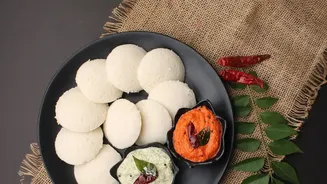
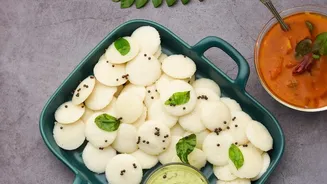
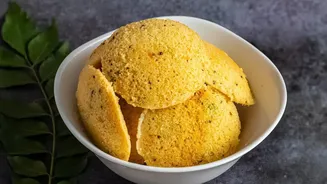
Walk through any major city in India, and you'll notice a significant shift in the breakfast landscape. While traditional favourites remain, a healthier alternative is rapidly gaining ground. Millet-based idlis and appams are no longer a niche health-food-store
item but a mainstream choice for a growing number of urban families. This trend is driven by a perfect storm of rising health consciousness, a desire for convenient yet nutritious meals, and innovative food startups making millets more accessible than ever. Once considered a rustic grain, millets are now being celebrated as a superfood, leading a comeback on breakfast plates from Mumbai to Bengaluru.
Why Millets, and Why Now?
The renewed love for millets is rooted in their impressive nutritional profile. Compared to polished white rice, millets are nutritional powerhouses. They are packed with protein, loaded with dietary fibre, and are naturally gluten-free. For a growing population concerned with lifestyle diseases, the low glycemic index of millets is a major draw, as they help manage blood sugar levels more effectively than rice-based meals. This makes millet idlis and appams an ideal choice for diabetics and anyone looking to maintain steady energy levels throughout the morning. The shift is also part of a larger movement towards sustainable eating; millets are climate-resilient crops that require significantly less water than rice, making them an environmentally conscious choice.
Innovation in the Batter
The success of this trend isn't just about health; it's about innovation. Entrepreneurs and food companies have worked hard to overcome the perception that millets can be difficult to cook with or have an unappealing taste. The market is now flooded with high-quality, ready-to-cook millet idli and appam batters that take the guesswork out of preparation. These mixes often blend different types of millets, such as foxtail, kodo, and barnyard, to achieve the perfect texture and flavour. Startups are focusing on “clean label” products, which means no preservatives or artificial additives, appealing directly to health-savvy urban consumers. Some innovators are even creating unique products like millet laddus and cookies, proving the versatility of these ancient grains beyond breakfast.
Passing the Taste Test
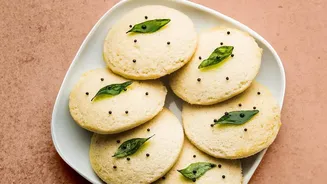
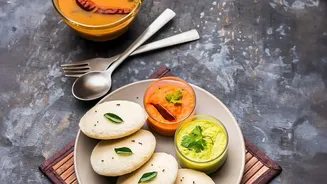
For any new food trend to stick, it must deliver on taste. Many who have made the switch report that millet idlis are just as soft and fluffy as their rice counterparts, if not more so. The key lies in the preparation, including proper soaking and fermentation, which results in a light, airy batter. When prepared correctly, millet idlis have a slightly nutty, earthy flavour that many find more satisfying. Chefs and home cooks have perfected their recipes, often sharing tips on social media, creating a community of millet enthusiasts. The consensus is clear: you don't have to sacrifice flavour for health. Many families report that their children can't even tell the difference, making it an easy and seamless switch for the entire household.
More Than Just a Breakfast Fad
The rise of millet idlis and appams is more than a fleeting diet trend; it represents a deeper cultural shift. It’s a return to traditional Indian ingredients, celebrated and reimagined for the modern palate. This movement connects urban consumers with sustainable farming practices and the country’s rich agricultural heritage. As awareness grows, driven by government initiatives and the efforts of countless food entrepreneurs, millets are solidifying their place in the modern Indian kitchen. They offer a powerful combination of health, taste, and tradition that is hard to ignore, suggesting that this breakfast revolution is here to stay.