

Come Diwali, the usual suspects—boxes of dry fruits and mithai—do the rounds. But a more personal, flavourful and traditional gift is quietly making its way into homes across urban India: a box of homemade Maharashtrian Faral.
First, What Exactly Is Faral?
Faral is not a single dish
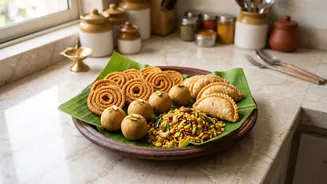
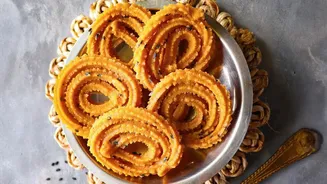
but a lovingly prepared assortment of sweet and savoury snacks that are central to Diwali celebrations in Maharashtra. The platter is a study in balance and texture. On the savoury side, you’ll find the crispy, spiced spiral of Chakli; the light, crunchy mixture of flattened rice called Chivda; and savoury diamond-shaped Shankarpali. The sweet offerings include Karanji, a crescent-shaped pastry filled with coconut and jaggery; sweet Shankarpali; and various types of Ladoos, from besan to rava. Traditionally, the preparation of Faral is a family affair, beginning days before the festival, filling the home with festive aromas and a sense of togetherness.
The Magic of 'Homemade'
In an era of mass-produced goods, the word 'homemade' carries significant weight. For many, store-bought sweets, while convenient, lack the authenticity and warmth of something made by hand. Homemade Faral stands in contrast to this. Consumers are increasingly drawn to it for its perceived superior quality, hygiene, and the absence of preservatives often found in commercial products. A batch of homemade Faral is made using traditional family recipes, often passed down through generations, offering a taste that is both authentic and unique. This preference for less-processed, traditional foods is part of a larger trend where consumers are seeking familiar, 'cleaner' options.
A Taste of Nostalgia and Connection
For the growing number of Maharashtrians living and working in cities like Bengaluru, Delhi, Hyderabad, and even abroad, Faral is more than just a festive snack—it's a taste of home. Receiving a box of familiar homemade treats evokes powerful feelings of nostalgia, bringing back childhood memories of Diwali celebrations. It’s a way for families to bridge distances, sending not just food but also love and a sense of belonging. This emotional connection is a key driver of its popularity as a gift, transforming it from a regional specialty into a cherished care package that connects generations.
The Rise of the Home Chef
The growing demand for homemade Faral has empowered a new wave of entrepreneurs: the home chefs. Primarily women, these culinary experts have turned their kitchens into small businesses, especially during the festive season. Using social media platforms like WhatsApp and Instagram, they market their products, take pre-orders, and arrange for delivery across the city and even nationwide. This home chef economy has made Faral accessible to those who may not have the time or skills to prepare it themselves but still crave its authentic taste. Many of these entrepreneurs are scaling up, with some even setting up industrial kitchens to meet the massive demand for thousands of kilograms of Faral, all while maintaining the 'handmade' appeal.
From Regional Tradition to National Trend
What was once a tradition largely confined to Maharashtrian households is now finding a curious and appreciative audience across India. As colleagues and friends from different backgrounds share these festive treats, the unique flavours of Chakli and Karanji are winning new fans. The concept of a curated box of assorted snacks—some sweet, some savoury—has universal appeal, making it a more interesting and personal gift than a generic box of sweets. Businesses now offer beautifully packaged Faral hampers and gift boxes, positioning this traditional platter as a premium, thoughtful present for the festive season, with some even shipping internationally to cater to the diaspora.