


From Indulgence to Investment
For generations, the evening chai was a moment of pure indulgence, a pause in the day marked by sugary, milky tea and comforting, often deep-fried, accompaniments like samosas or pakoras. Today, a significant shift is underway. Driven by a growing awareness
of long-term wellbeing, Indian consumers are starting to view their food choices as an investment in their health. This mindset is transforming every meal, and the tea break is no exception. Consumers are actively reading labels and seeking out foods that offer functional benefits, from better digestion to enhanced immunity. The focus is moving away from empty calories and towards nutrient-dense options that energize rather than weigh you down.
Rethinking the Cup of Chai
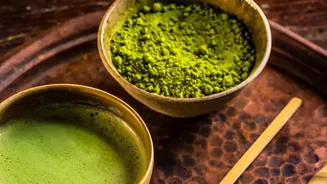
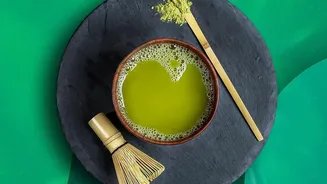
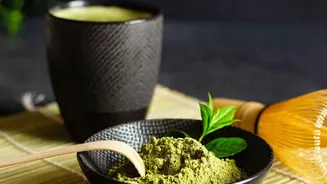
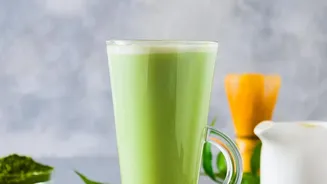
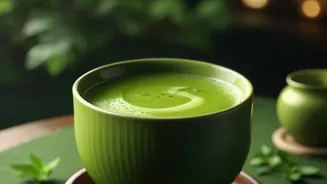
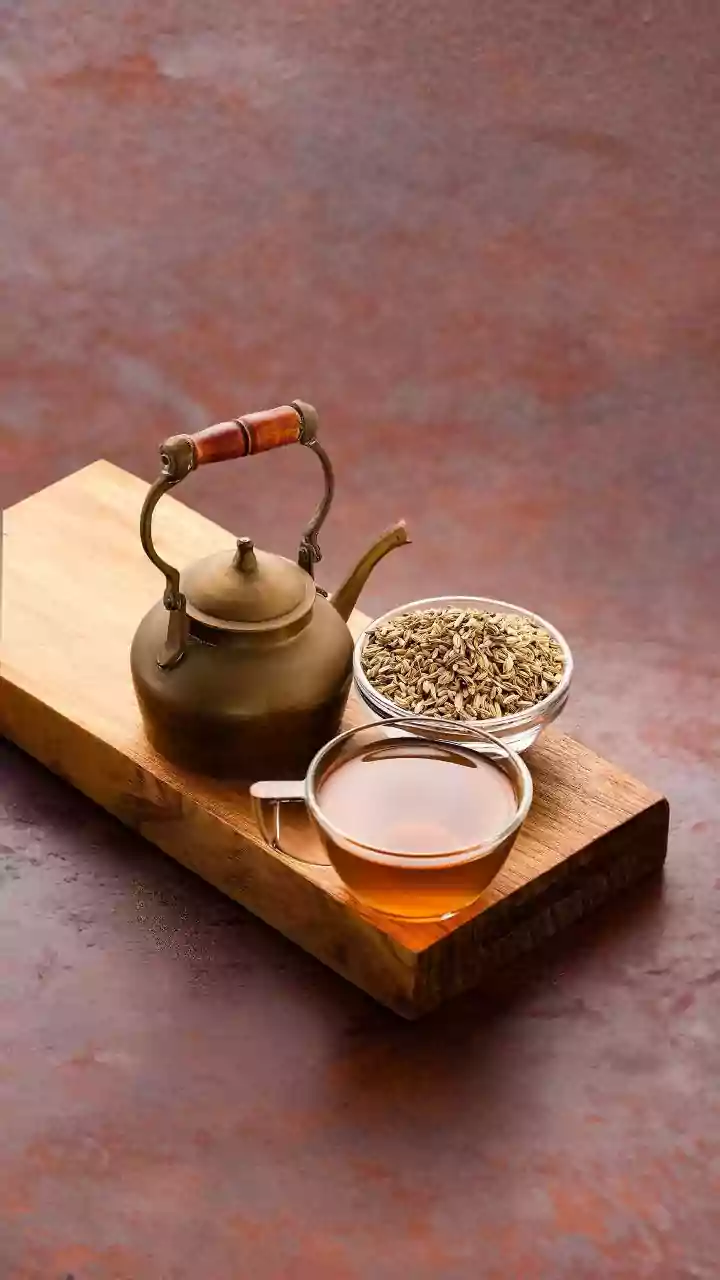
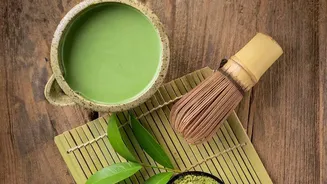
The evolution begins in the teacup itself. While traditional masala chai remains a staple, many are tweaking the recipe for a healthier profile. Refined sugar is often the first to go, replaced by natural sweeteners like jaggery or honey, or skipped entirely. But the change goes deeper. The market for green, herbal, and other specialty teas is booming in India. The green tea market is projected to grow significantly, driven by its antioxidant properties. Herbal infusions containing traditional wellness ingredients like tulsi, ginger, ashwagandha, and turmeric are also gaining immense popularity. These caffeine-free options are sought after for their perceived health benefits, turning the tea break into a moment of functional wellness. The Indian herbal tea market is expected to see a compound annual growth rate of over 12% in the coming years.
The Snack Revolution
Perhaps the most visible change is on the snack plate. Fried, maida-based snacks are being swapped for a new generation of healthier, yet equally satisfying, alternatives. The undisputed stars of this revolution are millets and makhana (fox nuts). Spurred by government initiatives and their inherent nutritional benefits, millets like jowar, ragi, and bajra are now the foundation of a burgeoning healthy snack market. Consumers can find everything from baked ragi chips and jowar puffs to millet cookies. These snacks are often baked or roasted instead of fried, appealing to a desire for the same satisfying crunch without the excess oil. Roasted makhana has become a best-seller, celebrated for being low-calorie, high-protein, and gluten-free, and available in a wide variety of modern flavours.
A Conscious and Convenient Choice
This shift isn't just about avoiding unhealthy foods; it's about actively choosing better ones. The modern Indian consumer, particularly in urban areas, is more informed than ever, often discovering new products and wellness trends through social media. They demand convenience without compromising on health. This has fueled the rise of ready-to-eat healthy snacks that fit into busy lifestyles, from millet granola bars to portion-controlled packs of roasted nuts. Brands are responding by focusing on 'clean labels', meaning snacks with transparent, recognizable ingredients and no artificial additives or preservatives. This conscious consumerism reflects a deeper change where food is not just about taste, but also about purpose, wellness, and even sustainability.