
The Urban Exodus
The relentless pace of metropolitan life in cities like Delhi and Jaipur, marked by long commutes, pollution, and high living costs, has pushed many young professionals to seek an alternative. The rise of remote work has transformed this desire from a distant
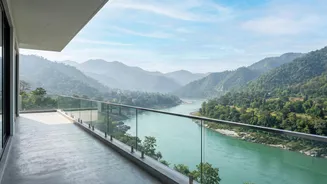
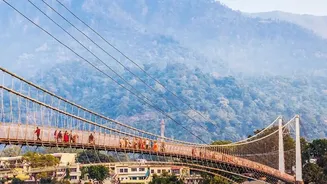
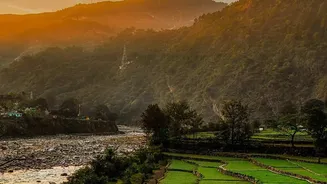
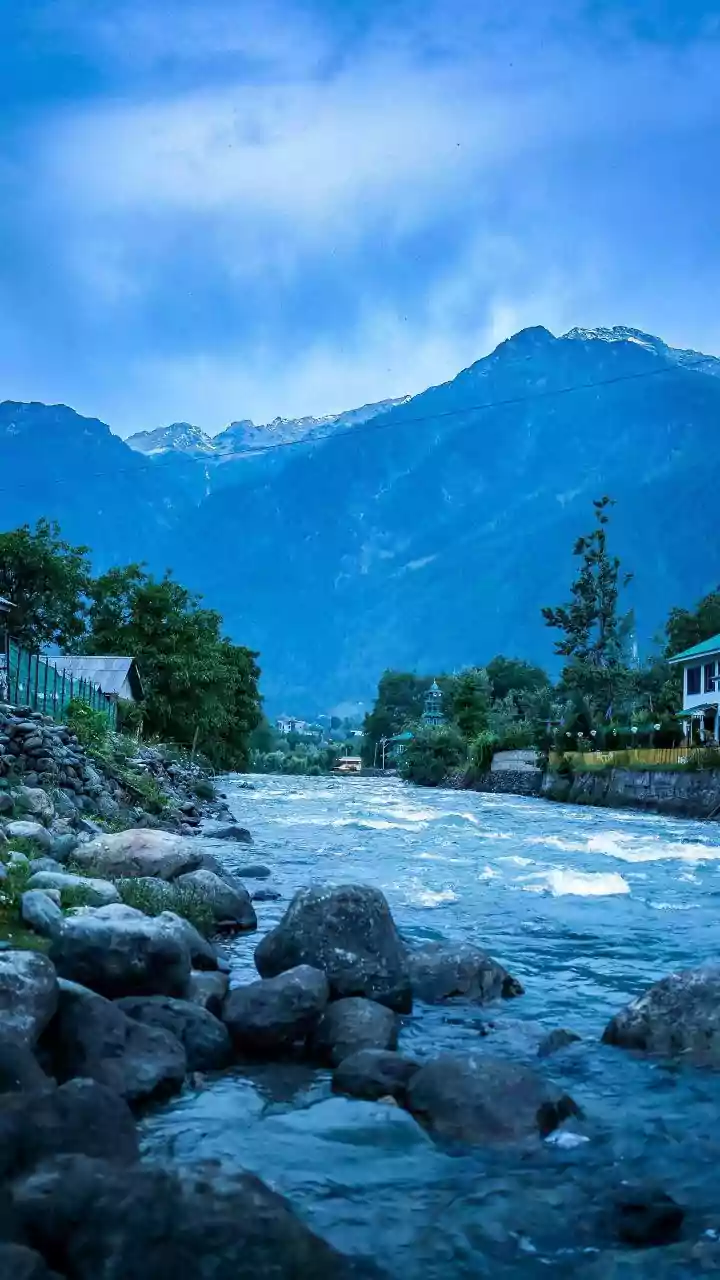
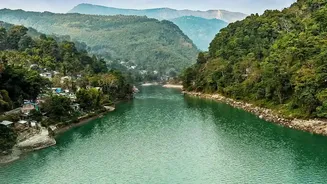
dream into a tangible reality. For tech freelancers, developers, and digital marketers, the office is no longer a fixed address. Rishikesh, traditionally a destination for pilgrims and yoga enthusiasts, has emerged as an unlikely hub for this new generation of workers. It offers a potent combination of spiritual tranquility, natural beauty, and, crucially, the infrastructure to stay connected and productive. The town presents a powerful antidote to urban burnout, where the soundtrack of traffic is replaced by the flow of the river and temple bells.
What Co-Living in Rishikesh Looks Like
Co-living here is a far cry from a simple shared apartment. It's a curated lifestyle choice that blends private living with community engagement. These spaces, often found in serene areas like Tapovan, provide furnished rooms, shared kitchens, and dedicated co-working zones with reliable Wi-Fi and power backup. Monthly costs can range from approximately ₹18,000 for a dorm bed to higher for private rooms, but this often includes utilities, housekeeping, and access to all amenities. The model is built on flexibility and community. Residents are a mix of solo freelancers and even entire remote teams, fostering an environment of collaboration and instant friendship. It removes the logistical headaches of traditional renting, allowing newcomers to seamlessly integrate into a new life.
A Day in the Digital Yogi Life
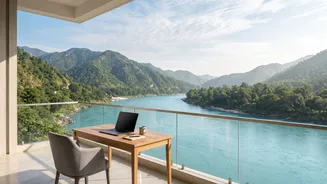
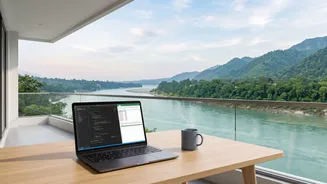
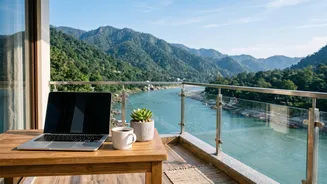
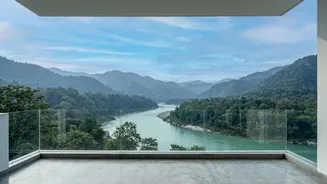
The daily routine for a tech freelancer in Rishikesh is a study in work-life integration. A typical day might begin with a sunrise yoga or meditation session by the river before the workday starts. Work itself happens in a sun-drenched co-working cafe with Ganga views or the focused environment of the co-living space's dedicated work area. Cafes like Little Buddha Café and The 60's Café have become popular haunts for the town's growing digital nomad community. Lunch breaks can involve a healthy, locally-sourced meal, and the end of the workday doesn't mean slumping onto a couch. Instead, it could be attending a Ganga Aarti ceremony, joining a sound healing session, or going for a short hike to a nearby waterfall. This lifestyle prioritizes wellness not as an afterthought, but as an integral part of daily productivity.
The Allure of Community and Connection
While the tranquil setting is a major draw, the sense of community is what makes many people stay. Co-living spaces are designed to combat the isolation that can sometimes accompany freelance life. Shared meals, weekend treks, skill-sharing workshops, and communal events create a built-in social network. It's an environment where web developers, content creators, and startup founders can connect, collaborate, and form lasting friendships. This social fabric provides a support system that is often missing for those who leave their home cities. The shared experience of navigating remote work while embracing a spiritual and wellness-focused lifestyle forges strong bonds among residents from diverse backgrounds.
Challenges and a Connected Future
Life in Rishikesh is not without its challenges. While internet connectivity has improved dramatically with the arrival of high-speed fiber in many areas, it can still fluctuate, especially during peak hours or monsoon season. Many nomads carry backup mobile hotspots with SIM cards from different providers to ensure a stable connection. Power cuts, though less frequent in managed co-living spaces with generator backup, can also be a factor. However, the town's infrastructure is rapidly adapting to its new demographic. With more dedicated co-working spaces and retreats catering specifically to remote professionals, Rishikesh is cementing its status not just as a temporary escape, but as a sustainable destination for the future of work.