




A Cat's World is a Scent World
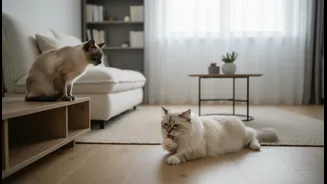
Before you can successfully introduce a new feline friend, you must understand how cats perceive their world. For felines, scent is the primary language. It's their social media, their identification, and their warning system all rolled into one. They
have scent glands on their cheeks, paws, and flanks, and they use them to mark territory, identify family members, and assess threats. A new cat doesn’t just look different; they smell like a complete unknown, which, in the wild, could signal danger. When you bring a new rescue cat home, your resident cat’s first reaction is to the unfamiliar scent invading their established territory. In a small flat, this sensory information is impossible to ignore, making a gradual introduction not just helpful, but essential for preventing long-term conflict.
The Perils of a Rushed Introduction
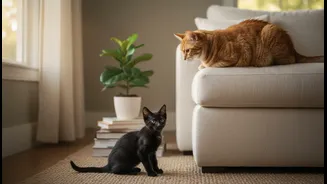
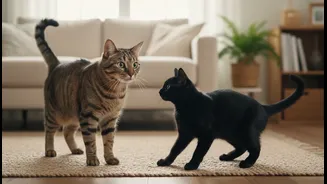
Many well-meaning owners make the mistake of letting the cats “figure it out.” This can be a disaster, especially in confined living quarters. A face-to-face meeting without any prior familiarisation can trigger a cat’s instinct to fight or flee. With no room to escape in a small flat, a fight is more likely. A single bad first encounter can create a negative association that lasts for years, leading to chronic stress, hissing, fighting, and even territory marking outside the litter box. The goal is to avoid this initial shock entirely. By managing the introduction process, you control the narrative, ensuring each cat’s first impressions of the other are neutral or even positive, rather than frightening. This starts with separating them and letting scent do the talking first.
The Scent Swapping Method: A Step-by-Step Guide
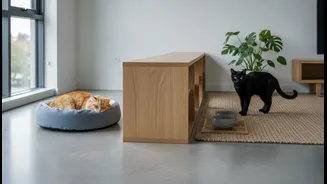
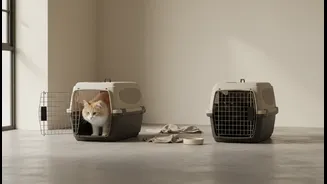
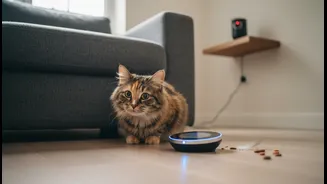
Scent swapping is the cornerstone of a peaceful cat introduction. The process involves getting each cat accustomed to the other's smell before they ever see each other. First, set up a separate 'sanctuary room' for the new cat with its own food, water, litter box, and bedding. This allows the newcomer to decompress in a safe space. Once the new cat has settled for a day or two, begin scent swapping. Take a clean, soft cloth or sock and gently rub it on your new cat’s cheeks and head to collect their pheromones. Place this cloth in your resident cat’s territory, perhaps near their food bowl, along with a high-value treat. This helps create a positive association: new smell equals good things. Do the same for the new cat, bringing a cloth with the resident cat's scent into the sanctuary room. Repeat this daily, observing their reactions. Hissing at the cloth is normal at first; continue the process until both cats can sniff the cloth calmly or ignore it.
Beyond Scent: Site Swapping and Visuals
Once both cats are relaxed with each other's scents, you can move on to 'site swapping'. This involves switching their locations for an hour or so each day. Let the new cat explore the main living area while the resident cat explores the sanctuary room. This allows them to investigate the other’s scent in a much more immersive way without the threat of a direct confrontation. Following successful site swapping, you can begin to create visual contact. Start by feeding the cats on opposite sides of the closed door to the sanctuary room. Over time, move the bowls closer. Once they can eat calmly near the door, prop the door open just a crack, or use a baby gate, so they can see each other while they eat. These initial sightings should be brief and always associated with something positive like mealtime or treats. If there is any significant aggression, go back a step.
Creating Harmony in a Shared Space
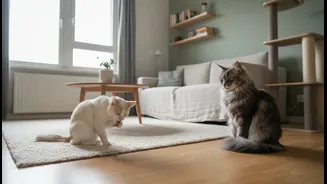
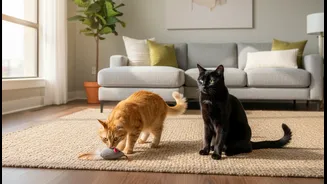
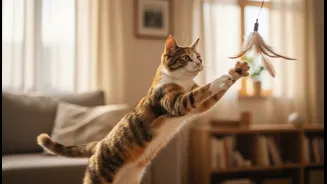
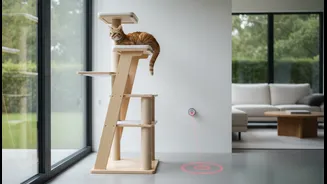
After several successful, supervised visual interactions, you can allow short, fully supervised meetings in a neutral space. Scatter toys or treats to keep the mood light and positive. Keep these first sessions short, ending on a good note before either cat becomes agitated. In a small flat, it's vital to ensure resources are not a source of conflict. Follow the “one per cat plus one” rule for litter boxes—so, two cats need three boxes. Also provide multiple food and water stations, scratching posts, and vertical spaces like cat trees. Vertical space is especially important in smaller homes as it expands their territory upwards, giving them options to retreat and observe from a safe distance. This reduces competition and helps foster a sense of security for both felines.