



An AI Co-Pilot in Every Satellite
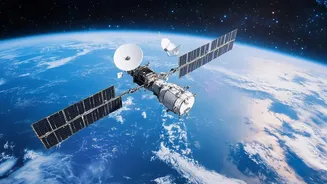
Imagine a satellite that doesn't just dumbly capture images but thinks for itself. That's the promise of integrating AI. Instead of beaming massive amounts of raw data back to Earth to be sorted, satellites with on-board AI can process information in real-time.
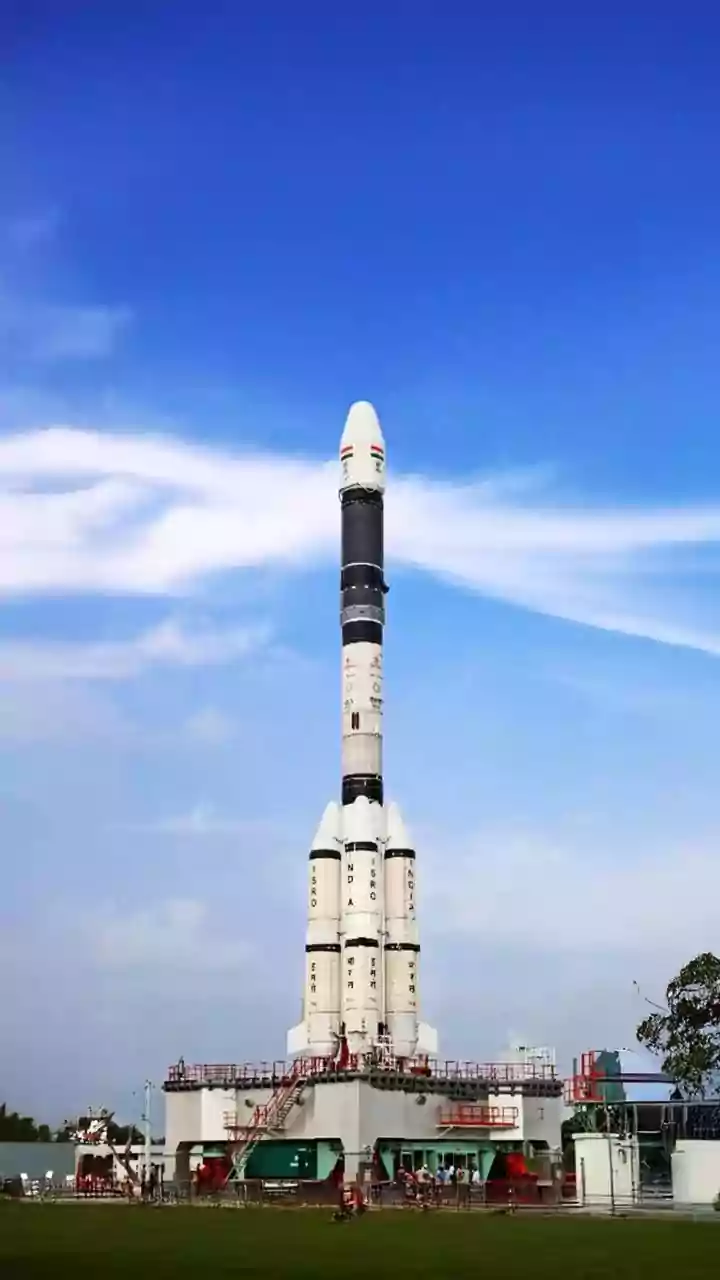
This 'edge computing' in space means a satellite could instantly distinguish between a cloud-covered photo and a clear shot of a developing flood, only sending back the crucial data. For India, this translates to faster disaster response, more efficient agricultural monitoring, and smarter urban planning. The Indian Space Research Organisation (ISRO) is actively developing these AI solutions to make its satellite fleet more autonomous, from managing its own health and fuel consumption to helping rovers navigate distant terrain without constant ground control.
The Unbreakable Lock of Quantum Communication
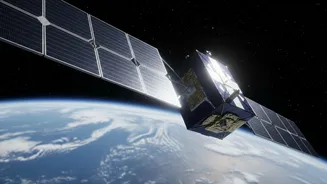
While AI makes satellites smarter, quantum technology aims to make them impenetrable. The biggest prize here is something called Quantum Key Distribution (QKD), a method for securing communications based on the laws of physics. Think of it as creating a secret key for data that, if intercepted by a third party, is instantly destroyed. This makes it theoretically impossible to eavesdrop without being detected. For a nation's military, financial, and government networks, this is the holy grail of security. ISRO has already successfully demonstrated QKD over short distances and is now working toward satellite-based quantum communication, with the goal of creating a secure network between ground stations across India and eventually with other countries. As part of its National Quantum Mission, India plans to launch a dedicated quantum satellite in the coming years.
A New Eye on Earth and Beyond
When AI analytics meet next-generation satellite imagery, the applications multiply. India has been a leader in using satellite data for societal needs, from forestry to weather forecasting. AI supercharges this capability. Algorithms can now detect small-scale deforestation almost as it happens, predict crop yields with greater accuracy, and monitor border activities by identifying changes and objects of interest automatically. This isn't just about taking pictures; it's about generating actionable intelligence. With private Indian startups like Pixxel and GalaxEye also launching advanced constellations that see in different light spectrums, the volume and variety of data are exploding. AI is the only tool capable of making sense of this firehose of information, turning it from a resource for scientists into a mainstream business and governance tool.
The Geopolitical Chessboard in Orbit
India’s technological push is not happening in a vacuum. It is deeply intertwined with its geopolitical ambitions and its strategic rivalry with China. Becoming a leader in AI-driven and quantum-secured satellites offers a significant strategic advantage, bolstering everything from military surveillance to the security of its digital economy. These advancements elevate India's standing as a major spacefaring nation, making it an attractive partner for collaborations with agencies like NASA. By aiming for 50 new satellites for intelligence gathering over the next five years and developing its own anti-satellite capabilities, India is signaling its intent to protect its assets and project influence in the increasingly contested domain of space.
The Hurdles on the Path to Orbit
Despite the ambitious goals, the path forward is complex. Both AI and quantum computing are resource-intensive fields requiring massive investment and highly specialized talent. While ISRO has a history of frugal innovation, competing with the multi-billion dollar programs in the U.S. and China is a formidable challenge. The National Quantum Mission, with a budget of over ₹6,000 crore (around $720 million), is a significant step, but it's just the beginning. Successfully miniaturizing quantum communication systems for satellites, developing robust AI algorithms that can function in the harsh environment of space, and building the ground infrastructure to support it all will require sustained focus and international collaboration.