





A Global Leader in Automation
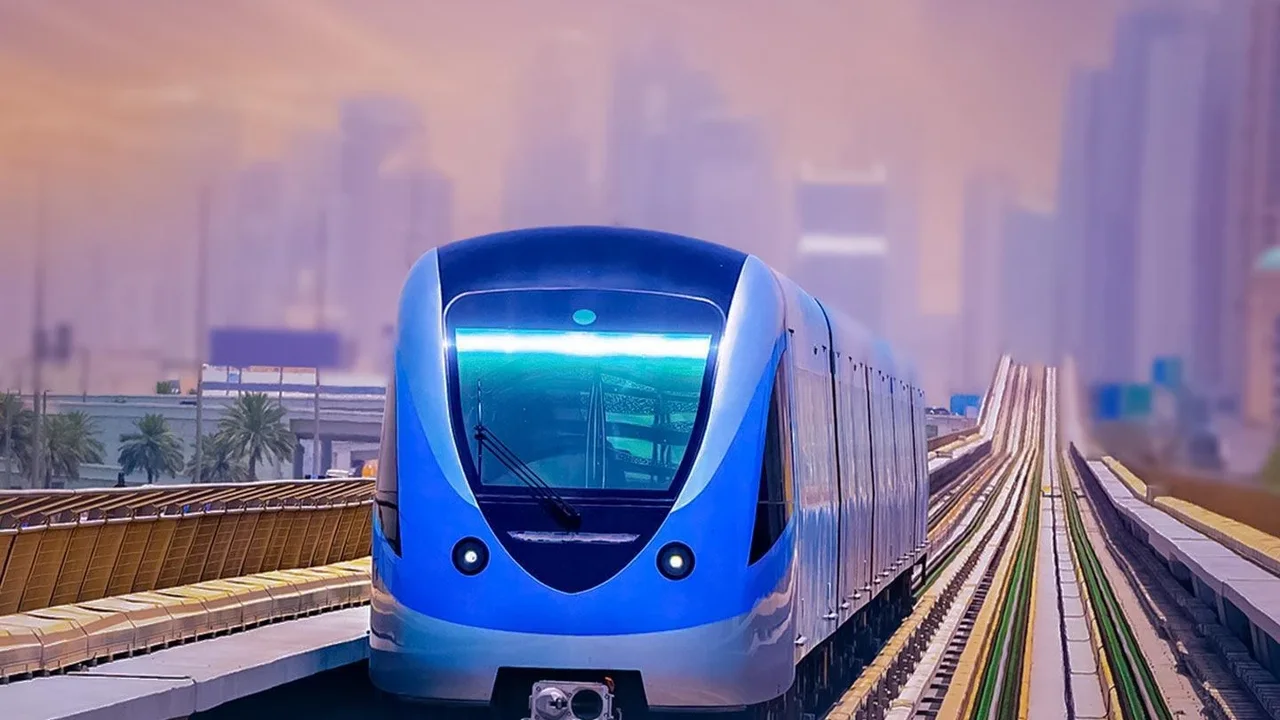
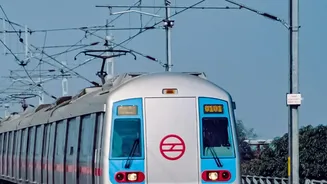
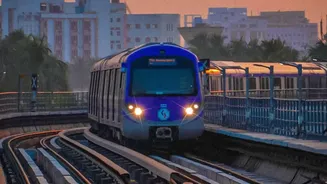
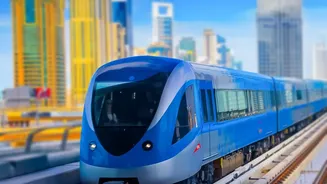
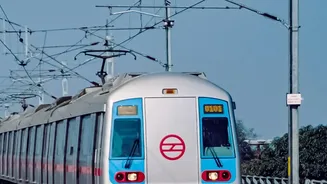
Delhi Metro Rail Corporation (DMRC) has firmly established itself as a pioneer in urban transport technology. With a 100-strong fleet of automated trains running on the Magenta and Pink lines, its driverless network now spans approximately 120 kilometres.
This makes the Delhi Metro the fourth-largest driverless metro network in the world and the only one of its kind in India. The journey began on December 28, 2020, with the launch of the first driverless service on the Magenta Line. Since then, the system has expanded, becoming an integral part of the city's transport backbone. The success is evident in the numbers: on November 2, 2026, these automated lines served a staggering 1.6 million passengers in a single day. This figure accounted for about one-fifth of the entire network's daily ridership, underscoring the growing public reliance on and trust in this technology.
How 'Driverless' Actually Works
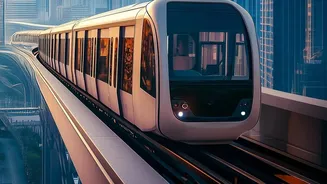
The term 'driverless' can sound unnerving, but the system is built on a proven technology called Unattended Train Operation (UTO). Rather than having a driver in the cab, the trains are fully automated and managed from a central Operations Control Centre. Sophisticated algorithms and Communication-Based Train Control (CBTC) systems handle acceleration, braking, and pinpoint-perfect halts at stations, all while maintaining a safe distance from other trains. This level of automation significantly reduces the scope for human error, a key factor in enhancing safety and service efficiency. While there is no driver, DMRC has clarified that staff have not been laid off. Instead, former train operators have been redeployed to other crucial roles, such as station management and crowd control, ensuring human oversight remains a part of the system.
The Benefits for Daily Commuters
For the millions of people who rely on the Metro, this technological shift brings tangible benefits. Automation allows for greater flexibility in scheduling, which means DMRC can run trains at a higher frequency — a huge advantage during peak hours. The system's precision improves punctuality and reliability, with Delhi Metro achieving an exceptional 99.95% punctuality rate in 2026, outperforming even established global networks. Reliability is further boosted by exhaustive self-tests the trains perform before starting service each day. And for many riders, there's a novel perk: with the driver's cab gone, passengers can now enjoy a panoramic view from the very front of the train, watching the tracks unfold ahead.
Safety as the Top Priority
Public safety is paramount in any driverless system. The UTO technology used by Delhi Metro is equipped with multiple layers of redundancy. Advanced sensors can detect obstacles on the tracks and trigger emergency braking automatically, a feature designed to be faster and more reliable than human reflexes. The entire network is under constant real-time surveillance from the central control room, where staff can monitor live footage from any coach and intervene if needed. In case of an emergency, passengers can use an intercom to speak directly with the control centre. These measures combine to create a system that is not only efficient but is also considered safer by eliminating the potential for human error-related incidents.
A Blueprint for India's Future Cities
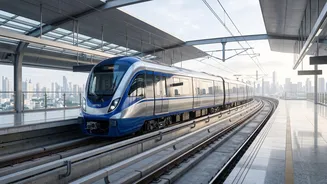
Delhi's successful implementation of a large-scale driverless network is more than just a local achievement; it serves as a powerful case study for other Indian cities. With metro services now operational in 26 cities, including Mumbai, Bengaluru, and Chennai, the DMRC's success is sparking a nationwide debate on adopting similar technology. While officials acknowledge the high initial costs, the long-term benefits of operational efficiency, reduced errors, and increased service availability are compelling. With ongoing expansion projects, Delhi’s own driverless network is set to grow to nearly 198 kilometres. This commitment signals a clear direction: India is moving towards a future of smarter, more efficient, and more sustainable urban public transportation.