


The Battle Against Skin Infections
One of the most common complaints vets in India see during the monsoon is a sharp increase in skin and coat issues. The combination of a wet coat and high humidity creates a warm, moist environment on your pet's skin, ideal for the overgrowth of normally
harmless bacteria and yeast. This can lead to fungal infections, pyoderma (bacterial skin infection), and painful 'hot spots'—red, inflamed, and oozing sores that your dog may lick obsessively. Breeds with thick double coats or numerous skin folds are particularly susceptible. The key to prevention is keeping your pet as dry as possible. Thoroughly towel-dry your pet after every walk, paying special attention to their paws, belly, armpits, and skin folds. For long-haired pets, a blow-dryer on a low, cool setting may be necessary to ensure the undercoat is completely dry.
Paw and Ear Care Are Critical
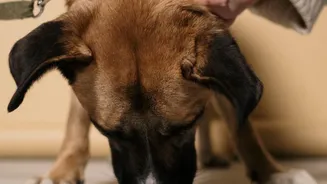
Your pet's paws are in direct contact with muddy, wet surfaces and potentially contaminated puddles. This makes them vulnerable to infections and irritation. It's essential to clean and dry their paws after every outing to remove dirt and potential pathogens before they can be licked off. Similarly, the dark, L-shaped ear canals of dogs are prone to trapping moisture, creating a perfect environment for yeast and bacteria to flourish, leading to painful ear infections (otitis externa). Dogs with floppy ears are at an even higher risk. After any exposure to rain, gently wipe the visible part of your pet's ears with a soft, dry cloth or cotton wool. Your vet can also recommend a good ear-drying solution for regular maintenance.
An Explosion of Parasites
Humid, wet weather is peak season for ticks, fleas, and mosquitoes. These external parasites are not just a nuisance; they are vectors for serious and sometimes life-threatening diseases. Ticks, which thrive in damp conditions, can transmit tick fever (babesiosis and ehrlichiosis), a serious condition causing high fever, lethargy, and anaemia. Mosquitoes can transmit heartworm disease. It is crucial to continue with your vet-prescribed tick and flea prevention program throughout the monsoon. After walks, perform thorough checks of your pet’s coat and skin, especially around the ears, neck, and between the toes, to catch any parasites early.
Stomach Troubles and Water-Borne Diseases
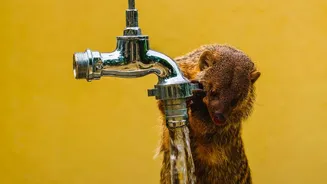
During the rainy season, standing water in puddles and waterlogged areas can become contaminated with harmful bacteria and parasites from rodent urine or other sources. Drinking from these puddles puts your pet at risk for serious water-borne diseases like leptospirosis and giardiasis. Leptospirosis is a particularly dangerous bacterial infection that can cause severe kidney and liver damage and is also transmissible to humans. Giardia is a parasite that leads to chronic diarrhoea. Always provide your pet with fresh, clean, and preferably filtered or boiled drinking water. Never allow them to drink from puddles or stagnant water sources outdoors.
General Wellness and Indoor Care
A strong immune system is your pet's best defence. Ensure they are on a balanced, high-quality diet and that their vaccinations are up to date. Store dry food in airtight containers to prevent it from absorbing moisture and growing mould. As pets may spend more time indoors, keep them engaged with indoor games and puzzle toys to prevent boredom. Ensure their bedding is kept clean and dry, washing it frequently to prevent fungal growth. Finally, thunderstorms can cause anxiety in many pets. Create a safe, comfortable space for them and consider using calming music or simply being present to offer reassurance.