





The August Pruning Dilemma
In many parts of India, August marks a transition. The heavy monsoon rains have spurred vigorous green growth, but as the month ends, plants are shifting gears. Some are preparing for a post-monsoon flowering burst, while others are starting to form the buds
for blooms that will appear months later. Pruning at the wrong time can send a plant confusing signals. A late-season cut often stimulates tender new growth that may not be strong enough to thrive. More critically, for many species that bloom on old wood, an August trim means you could be cutting off the very branches that are quietly preparing to produce next year’s flowers. This is why the urge to neaten up can lead to a barren spring.
Safe to Prune: The Hardy and Overgrown
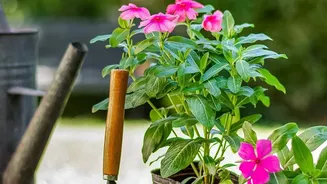
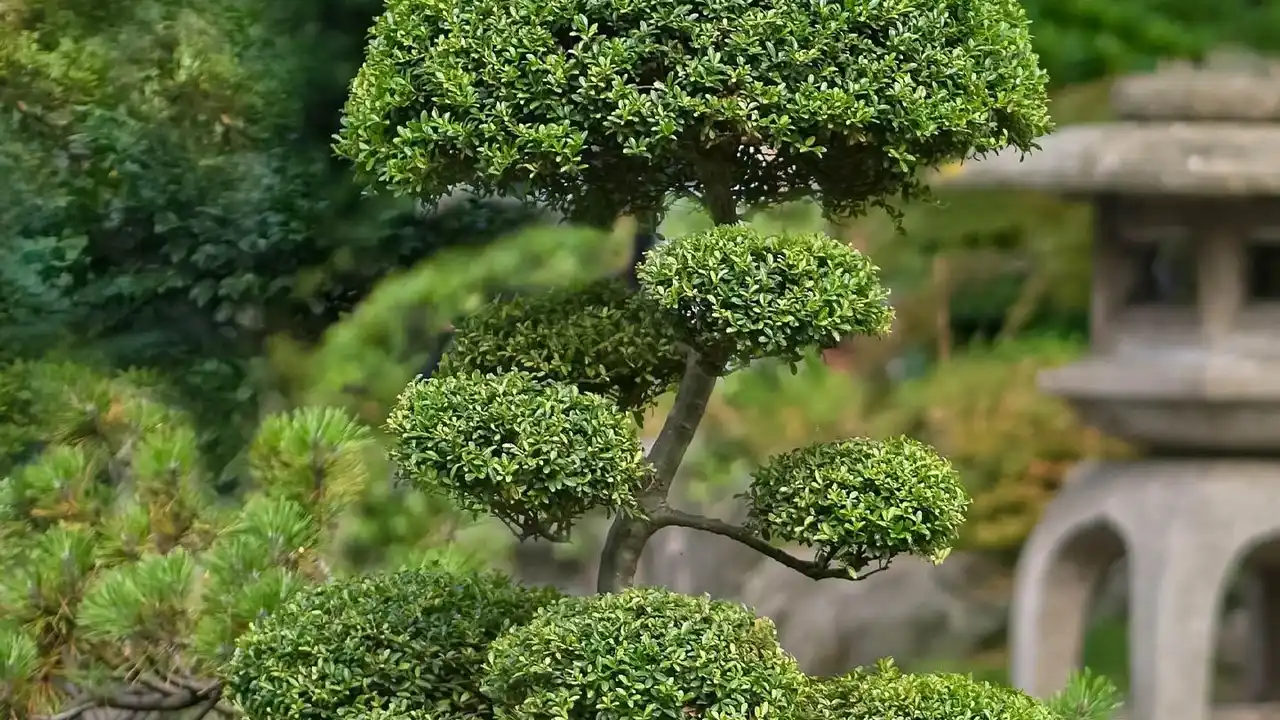
Thankfully, not all plants are off-limits. This is an excellent time to tackle robust growers that can get out of hand during the rains. Bougainvillea, a staple of Indian gardens, responds brilliantly to pruning because it flowers on new growth. Trimming back branches after a flowering cycle encourages more branching, which means more flowers later. Similarly, many varieties of Hibiscus can be lightly pruned now to maintain shape and encourage bushiness, though a hard prune is best left for early spring. Overgrown hedges like Duranta and foliage-focused plants that have become leggy can also be shaped up. The rule of thumb is to focus on plants grown for their leaves or those that bloom on the new growth spurred by cutting.
Hands Off: Plants Setting Future Flowers
Patience is a virtue for several popular garden plants in late August. Many spring-flowering shrubs and trees set their flower buds in the summer. If you prune them now, you remove the promise of future blooms. For example, some varieties of Jasmine (Mogra) that have finished their primary flowering season might be setting buds for a later flush or for the next year. Certain types of roses also benefit from only light deadheading now, as a hard prune can remove developing stems that would produce autumn flowers. It's also wise to avoid major pruning on fruit trees like mangoes and citrus, which are in a different stage of their annual cycle and shouldn't be stimulated with new growth cuts.
Know Your Plant's Purpose
The decision to prune ultimately comes down to why you are growing the plant. Are you cultivating it for its flowers, fruit, or foliage? For flowering shrubs, the most critical factor is knowing whether they bloom on old wood (growth from the previous year) or new wood (growth from the current year). Plants that bloom on old wood, like many hydrangeas, should only be pruned right after they finish flowering, long before August. Those that bloom on new wood, like many modern rose varieties and bougainvillea, are more forgiving and can be pruned to stimulate the growth that will bear flowers. Observing your plants and understanding their individual life cycles is the most important skill a gardener can develop.
The Right Tools for Any Season
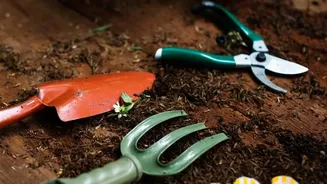
Regardless of when you prune, how you do it matters. Using dull or dirty tools can do more harm than good, creating jagged cuts that invite disease and pests. Always use clean, sharp bypass pruners or shears. Make your cuts at a 45-degree angle, about a quarter-inch above a leaf node or bud. This directs the new growth and helps the wound heal quickly. It’s also crucial to avoid over-pruning; a general rule is to never remove more than one-third of the plant's total mass at once, as this can cause severe stress. Proper technique ensures that even if your timing is slightly off, the plant has the best chance of a healthy recovery.