






The Supplement Shelf Dilemma
Walk into any pharmacy or supermarket, and you're greeted by shelves groaning under the weight of dietary supplements. Protein powders, multivitamins, energy boosters—they all promise a quick fix for our nutritional gaps. But this convenience comes at
a high price, both literally and figuratively. Many processed supplements are expensive, and their cost can add up significantly over time. Furthermore, the bottle doesn't always tell the whole story. These products can be packed with fillers, artificial sweeteners, and preservatives. There is also the question of bioavailability: how much of the isolated nutrient your body is actually able to absorb and use. It’s a world of clever marketing that often leaves us confused and poorer, without a clear guarantee of better health.
Meet Amaranth: The Humble Super Grain
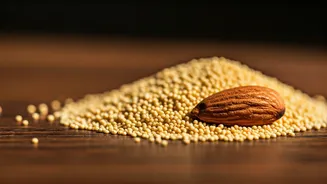
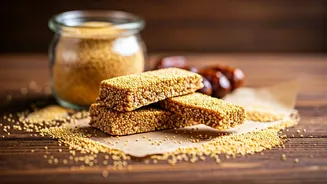
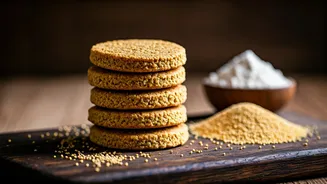
Before you reach for another tub of protein powder, consider a powerhouse from our own backyard: amaranth. Known as 'rajgira' or 'ramdana' in India, this ancient pseudo-cereal has been a staple for centuries, revered for its incredible nutritional profile. It's not a trendy import; it's a part of our culinary heritage, often used during fasting periods for its energy-giving properties. Amaranth is a complete protein, meaning it contains all nine essential amino acids, making it a rare gem in the plant kingdom. It's also rich in fibre, iron, magnesium, and calcium. Unlike a processed powder, amaranth is a whole food, delivering its nutrients in a natural matrix that your body is designed to recognise and digest effectively. Plus, it's naturally gluten-free, making it suitable for those with sensitivities.
Make Your Own: Simple Rajgira Bars
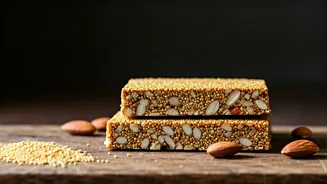
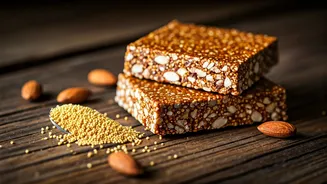
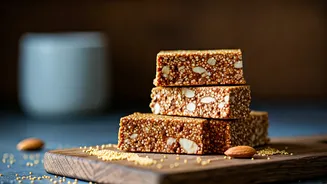
The beauty of amaranth is its versatility. Making your own nutritious bars at home is incredibly simple and allows you to control every single ingredient. Forget the chemistry lab of artificial flavours and binders; you only need a few wholesome items. Here’s a basic recipe to get you started:
Ingredients:
- 1.5 cups puffed amaranth (rajgira)
- 1/2 cup jaggery (gur), grated or powdered
- 2 tablespoons water
- 1 tablespoon ghee (optional, for flavour and binding)
- 1/2 teaspoon cardamom powder (elaichi)
Instructions:
1. Lightly dry roast the puffed amaranth in a heavy-bottomed pan for a minute until it’s crisp. Set aside in a large bowl.
2. In the same pan, add the jaggery and water. Heat on a low flame, stirring continuously until the jaggery melts completely.
3. Continue to cook the syrup until it thickens. To check for readiness, drop a small bit of syrup into a bowl of cold water. It should form a firm ball.
4. Once the syrup is ready, turn off the heat. Immediately add the ghee (if using) and cardamom powder, followed by the puffed amaranth.
5. Mix everything quickly and thoroughly until the amaranth is evenly coated with the jaggery syrup.
6. Grease a tray or plate with a little ghee. Pour the mixture onto the tray and flatten it evenly with the back of a spatula or a small bowl.
7. While it's still warm, cut it into squares or bars. Let it cool completely to harden before breaking the pieces apart.
Customise Your Creation
This basic recipe is just the beginning. Think of it as a canvas for your own nutritional masterpiece. You can easily enhance the flavour, texture, and health benefits by adding other ingredients. Consider mixing in a handful of chopped nuts like almonds or walnuts for healthy fats and an extra protein punch. Seeds such as pumpkin, sunflower, or sesame can add a delightful crunch and a boost of minerals. A sprinkling of dried fruits like raisins or chopped dates can add natural sweetness and chewiness. For a different flavour profile, try adding a pinch of cinnamon or nutmeg along with the cardamom. By customising your bars, you create a snack that is perfectly tailored to your taste and nutritional needs.