


The End of the Guilt-Ridden Snack
For years, snacking in India was synonymous with deep-fried, sugar-laden treats — a delicious but often guilt-inducing pleasure. This is rapidly changing. The modern Indian consumer is increasingly health-conscious, driven by a greater awareness of lifestyle-related
health issues like diabetes and obesity. This shift has transformed snacking from a casual indulgence into a conscious choice. Consumers are no longer willing to compromise their wellness goals for a quick bite. Instead, they are actively seeking out products that offer functional benefits, such as high protein, fibre, and essential vitamins, turning snack time into an opportunity to nourish their bodies. This is not a niche trend; it's a mainstream movement reshaping a multi-billion dollar industry.
Meet the New-Age Snacker
The driving force behind this transformation is largely urban, millennial, and Gen Z consumers. Exposed to global health trends through social media and armed with rising disposable incomes, they approach food with a different mindset than previous generations. This demographic is digitally savvy, accustomed to researching products, and places a high value on transparency. A recent survey revealed that a vast majority of Indian consumers now read ingredient lists and nutritional information before making a purchase. They are looking for 'clean labels'—snacks free from artificial additives and preservatives, and sweetened with natural alternatives like jaggery or dates. For this generation, snacking is not just about hunger; it's an extension of their lifestyle and values.
Convenience is Still King
While the demand for nutrition is at an all-time high, the need for convenience has not diminished. Fast-paced urban lifestyles and hectic work schedules mean that on-the-go food options are more essential than ever. The new challenge for brands is to fuse health with handiness. Consumers want snacks that can be easily carried, quickly consumed, and purchased with a few taps on a quick-commerce app. This has led to an explosion of single-serving packs, ready-to-eat formats, and products designed for busy lives. The expectation is clear: a healthy snack must also be a hassle-free one. A 2025 consumer study highlighted that while 72% seek functional benefits from snacks, an overwhelming 94% refuse to compromise on taste, underscoring the delicate balance brands must strike.
Challenger Brands Lead the Charge
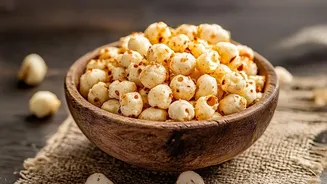
This market shift has created a fertile ground for new-age, digital-first challenger brands. These companies are agile and directly connected to their target audience, allowing them to innovate rapidly. They are flooding the market with products that perfectly match the new consumer's demands: baked instead of fried chips, snacks made from millets and other traditional grains, protein bars, flavoured makhana (fox nuts), and roasted seed mixes. By leveraging e-commerce and direct-to-consumer (D2C) models, these brands have bypassed traditional retail gatekeepers to reach consumers directly, building a loyal following. They often build their brand around transparency and health, a narrative that resonates strongly with their target demographic.
How Legacy Players Are Adapting
The giants of the Indian snack industry have taken notice. Initially slow to react, these legacy companies are now actively adapting to the changing landscape. Some are launching their own lines of healthier products, such as baked versions of their popular fried snacks or drinks with reduced sugar. Others are pursuing a strategy of acquiring smaller, successful health food startups, instantly buying their way into the market and gaining valuable consumer insights. The government is also playing a role, with initiatives like the 'Eat Right India' movement and stricter food labelling regulations from the FSSAI pushing all manufacturers toward greater transparency and healthier formulations.