
The Great European Eclipse of 2026
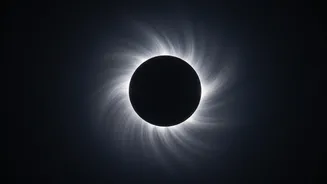
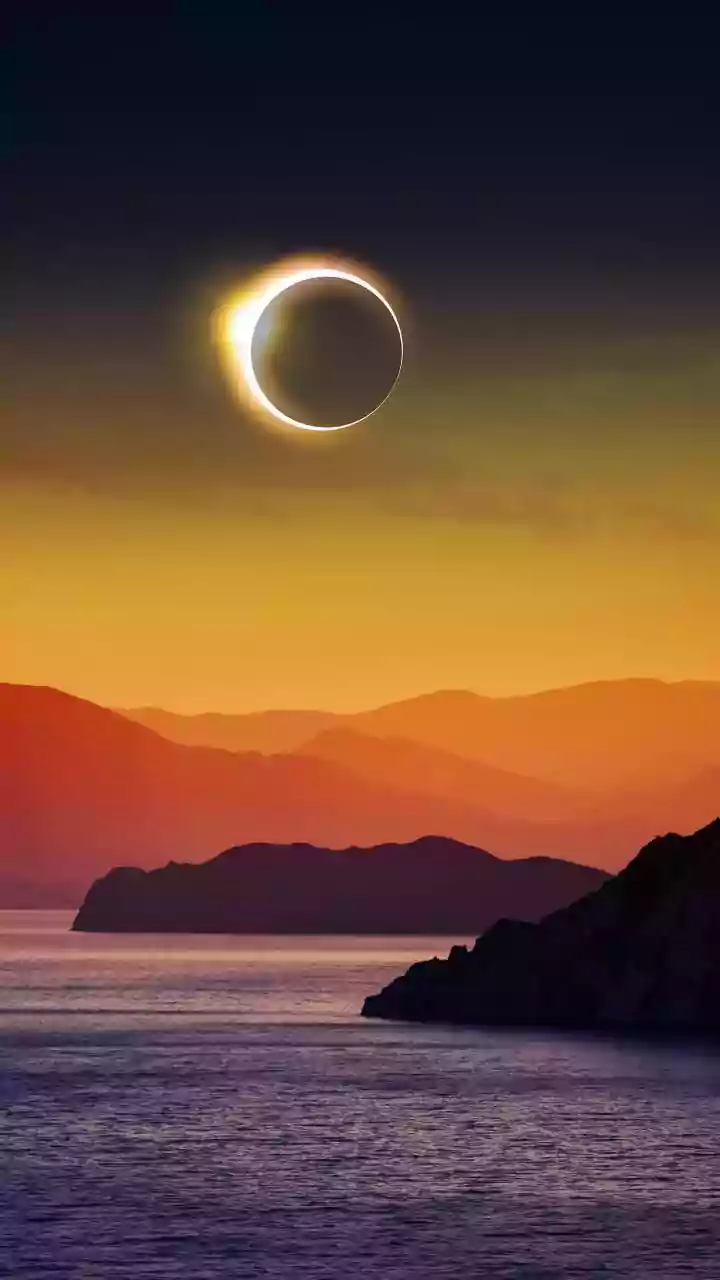
On Wednesday, August 12, 2026, the Moon will pass directly between the Earth and the Sun, casting a shadow that will create a total solar eclipse. This rare phenomenon, where daylight gives way to an eerie twilight and the Sun's magnificent corona becomes
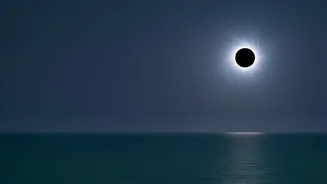
visible, will trace a path across the Arctic, Greenland, Iceland, the Atlantic Ocean, and northern Spain. Major Spanish cities like Valencia and Bilbao will be within the path of totality, while places across the rest of Europe, northwestern Africa, and parts of North America will witness a partial eclipse. The period of total darkness will be brief, lasting just over two minutes at its maximum point off the coast of Iceland.
Will the Eclipse Be Visible From India?
Unfortunately for stargazers on the subcontinent, the August 12 total solar eclipse will not be visible from India. The entire event will occur when it is nighttime across the country. The partial phase of the eclipse begins at 9:04 PM IST on August 12, with the event concluding at approximately 1:30 AM IST on August 13. Because the eclipse is not visible locally, traditional Hindu observances like Sutak Kaal will not apply for this event. While the direct view is out of reach, the global nature of science and communication means Indian enthusiasts can still have a front-row seat.
How to Watch Live via NASA's Broadcast
NASA will provide comprehensive, free-to-watch live coverage of the eclipse. The broadcast will feature live telescope feeds from various locations along the path of totality, including Iceland and Spain, offering stunning high-definition views. The stream will also include commentary from scientists and eclipse experts who will explain the science behind the phenomenon and answer questions from the public submitted via social media. The NASA broadcast is scheduled to begin at 1:15 p.m. EDT on August 12, which translates to approximately 10:45 PM IST. Viewers can tune in via NASA's official website, its YouTube channel, and other agency social media platforms.
Exploring Other Live Stream Options
Beyond NASA, several other reputable organisations will be streaming the eclipse. The European Space Agency (ESA) will host its own live broadcast from the Observatorio Astrofísico de Javalambre in Spain, deep within the path of totality. This provides an excellent European perspective on the event, with their broadcast starting around 19:30 CEST (approximately 11:00 PM IST). Science institutions like the San Francisco-based Exploratorium, a long-time partner of NASA for eclipse broadcasts, will also be streaming live from Spain. These multiple streams offer a variety of expert viewpoints and ensure that if one feed experiences technical difficulties, you have reliable backups.
Tips for the Best Virtual Viewing Experience
To make the most of your online eclipse experience, a little preparation goes a long way. First, double-check the start times for the live streams and convert them to Indian Standard Time (IST). Test your internet connection beforehand to ensure smooth streaming. For a more immersive experience, consider watching on the largest screen available to you, like a television or a computer monitor, rather than a small phone screen. You could even make an event of it by inviting friends and family for a virtual viewing party, connecting with a global audience witnessing the same cosmic spectacle together.
A Note on General Eclipse Safety
While this article focuses on safe online viewing, it's crucial to remember the rules for any direct solar viewing. It is never safe to look directly at the Sun without proper eye protection, even during a partial eclipse. Regular sunglasses are not sufficient. Anyone observing an eclipse directly must use certified eclipse glasses or viewers that meet the ISO 12312-2 international safety standard. The only time it is safe to look without protection is during the brief moments of 100% totality, when the Sun's bright face is completely covered. Since this eclipse is not visible from India, these precautions are for future reference, reinforcing that solar safety is paramount for any sky-watching.