

The Science of Spoilage: Ethylene Gas
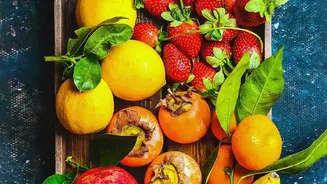
Many fruits and vegetables release a natural plant hormone called ethylene gas as they ripen. This colourless, odourless gas is harmless to us but acts as a ripening agent for the produce that emits it and for other produce stored nearby. Storing ethylene-producing
items next to ethylene-sensitive ones will cause the sensitive items to spoil much faster. For instance, storing apples next to carrots can make the carrots bitter, while placing a banana near an avocado will speed up its ripening. High ethylene producers include apples, ripe bananas, avocados, stone fruits like peaches and plums, pears, and tomatoes. Produce that is highly sensitive to this gas includes asparagus, broccoli, carrots, cucumbers, leafy greens, and squash. The simplest rule is to keep these two groups apart on your counter and in your fridge to prevent premature decay.
A Strategic Refrigerator Layout
Not all areas of your refrigerator have the same temperature. The door is the warmest zone, so it's best for condiments and other items with a longer shelf life, not perishables like milk or eggs. Raw meat, poultry, and fish should always be stored on the bottom shelf, which is typically the coldest part of the fridge. This placement prevents any potential drips from contaminating other foods below. Dairy products and eggs are best kept on the middle shelves where the temperature is consistent. Use your crisper drawers wisely. Many have adjustable humidity settings. Generally, vegetables prefer high humidity (to prevent wilting), while fruits prefer low humidity. If you have two drawers, designate one for fruits and the other for veggies to create optimal conditions for both.
Portioning for Longevity and Convenience
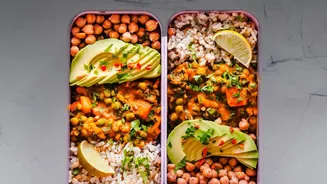
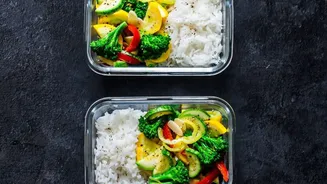
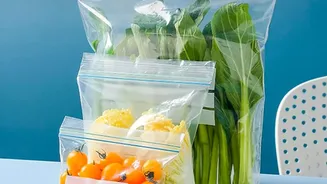
The second half of smart storage is portioning. When you bring home a large package of meat, a big batch of soup, or grains cooked in bulk, dividing them into smaller, meal-sized portions before storing is a game-changer. This practice has several benefits. First, it minimises food waste by ensuring you only thaw what you need. Second, smaller portions cool down and freeze much faster, which reduces the time food spends in the temperature 'danger zone' (4°C to 60°C) where bacteria grow most rapidly. For freezing, use airtight containers or freezer bags, pressing out as much air as possible to prevent freezer burn, which affects food quality and taste. Don't forget to label everything with the contents and the date, so you can easily identify what you have and use older items first.
Pantry and Countertop Best Practices
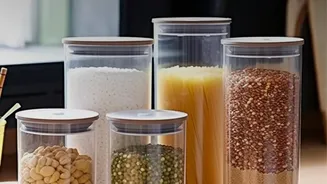
Not everything belongs in the refrigerator. Items like onions, garlic, and potatoes should be stored in a cool, dark, dry place with good air circulation, like a pantry. However, keep onions and potatoes separate, as onions release gasses that can cause potatoes to sprout. Tomatoes will lose their flavour and develop a mealy texture in the cold, so keep them on the counter. Fresh bread stays best at room temperature in a bread box or paper bag; refrigerating it can cause it to go stale faster. For longer storage, slice it and keep it in the freezer. Many whole grains, flours, and nuts contain natural oils that can go rancid over time, especially in warm, humid environments. To extend their life significantly, store them in airtight containers in the fridge or freezer.