



From Pan-Indian to Pan-Specific
For decades, dining out in India often meant a familiar roster of dishes that could be found anywhere from Delhi to Chennai. This standardised, often Punjabi-Mughlai-influenced menu, served a purpose, creating a uniform idea of 'Indian food'. But today,
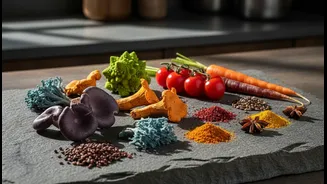
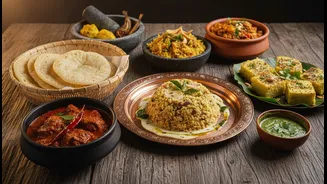
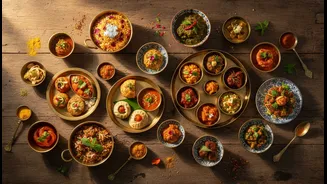
a significant shift is happening. Chefs and restaurateurs are championing a new philosophy, one that is intensely local and proud. This movement, often called 'hyperlocal', is about more than just fresh ingredients; it's a deep dive into the specific culinary identities of India's diverse regions. Instead of a generic fish curry, menus now might specify a Koli preparation with golden anchovies or a Meitei specialty from Manipur using native Himalayan herbs. This is a move away from a monolithic idea of Indian cuisine towards a vibrant mosaic of micro-cuisines.
The Heroes of Hyperlocal
Across the country, culinary pioneers are rewriting the rules. In Mumbai, restaurants like Masque focus on reviving ancient grains and hyperlocal produce, with chefs transforming ingredients like prickly pear into sophisticated sorbets. In New Delhi, chefs merge local traditions with global techniques, using indigenous Bandel cheese in place of ricotta or fermented amla to brighten a dish. This isn't just a metro phenomenon. In cities like Bengaluru and Jaipur, cafes and restaurants are building their entire ethos around sourcing from nearby farms, ensuring freshness and supporting local agriculture. Chefs are travelling to remote corners of the country, from the Himalayas to the southern coasts, to understand ingredients and traditional techniques firsthand, bringing back stories and flavours to urban diners. This approach helps preserve culinary traditions and introduces a wider audience to dishes once only found in home kitchens.
Why Now? A Taste for Authenticity
Several factors are fuelling this place-conscious trend. Diners, especially younger ones, are more curious and conscious than ever. They want to know the story behind their food, valuing authenticity and sustainability. Social media has also played a role, with creators highlighting rare regional spices and grains, turning the discovery of an obscure ingredient into a point of cultural pride. The global 'farm-to-table' movement has found a natural home in India, where agriculture is the economy's backbone. According to some reports, the farm-to-table concept saw a 60% increase in 2023, fostering a stronger connection between consumers and their food's origins. This shift also has a powerful economic and environmental impact. It reduces food miles, supports small-scale farmers, and helps preserve biodiversity by creating demand for indigenous crops like heritage rice varieties and millets.
A Culinary Map on Your Plate
This trend does more than just make for delicious meals; it re-educates our palates. It encourages us to appreciate the subtle differences that terroir—the unique environment in which a food is produced—imparts. A pepper from Coorg tastes different from one from Assam, and chefs are now confident that diners will appreciate that distinction. Menus are becoming culinary maps, highlighting Chak-Hao black rice from Manipur, Mahua flowers from tribal regions, or jackfruit prepared in a coastal style. By focusing on these ultra-local hidden gems, restaurants are not just serving food; they are offering an education in India’s immense agricultural and cultural diversity. It's a journey through the country's hidden agricultural riches, all without leaving the dinner table.