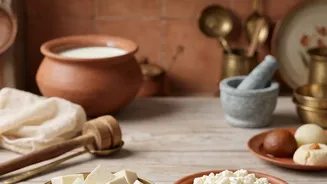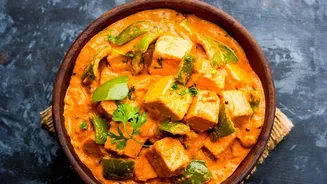




The Context: Why Dairy-Free Matters Now
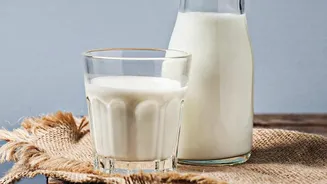
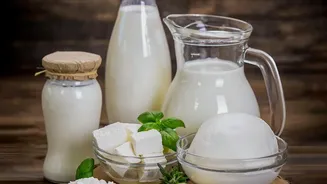
From November onwards, major dairy cooperatives like Amul and Mother Dairy have announced price hikes of ₹2 to ₹4 per litre, citing rising feed and operational costs. This trend isn't isolated, with similar increases seen in Karnataka, Madhya Pradesh,
and Assam, where rates have climbed due to higher expenses for fodder and transport. For households managing tight budgets, this sustained increase makes dairy a more considered purchase. Simultaneously, many are choosing plant-based diets for health or ethical reasons. Fortunately, traditional Indian cooking has long held the secrets to creamy, dairy-free curries, using ingredients that are both effective and flavourful.
The Classic: Coconut Milk and Cream
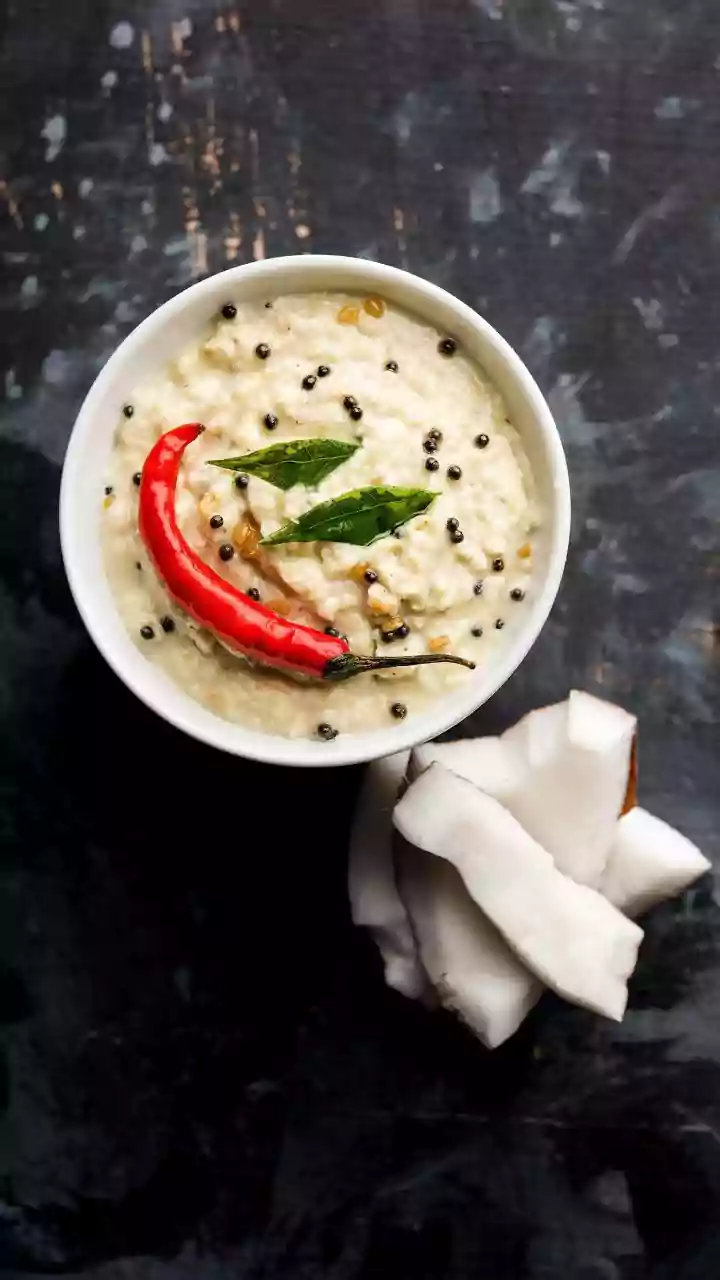
Coconut is perhaps the most well-known dairy substitute in Indian cooking, especially in the coastal cuisines of Kerala, Goa, and West Bengal. Full-fat coconut milk or the even thicker coconut cream lends a luscious, velvety texture and a subtly sweet, nutty flavour that pairs beautifully with spices. It's the foundation for dishes like Kerala chicken curry and many vegetable or fish-based gravies. To use it, simply add it towards the end of the cooking process and simmer gently to prevent it from splitting. Using full-fat coconut milk will yield a richer result than its 'light' counterpart.
The All-Rounder: Cashew Paste
For a neutral-flavoured creaminess that mimics dairy cream, cashew paste is an excellent choice. Used widely in Mughlai and North Indian cuisine to create rich, royal gravies for dishes like korma and butter chicken, cashew paste provides body and a silky-smooth finish. To make it, simply soak raw, unsalted cashews in hot water for at least 30 minutes (or overnight) until they soften. Then, drain them and blend with a small amount of fresh water until you have a completely smooth, thick paste. This paste can be stirred into your curry base to thicken and enrich the sauce without adding an overpowering flavour.
The Bengali Staple: Poppy Seed Paste (Posto)
In Bengali cuisine, white poppy seeds, known as 'posto', are a prized ingredient for creating texture and a unique, nutty taste. Aloo Posto (potatoes in poppy seed paste) is a classic dish that showcases its thickening power. The seeds are typically soaked for several hours or overnight before being ground into a thick paste, sometimes with green chillies or a little water. This paste gives gravies a distinct body and a subtle, earthy flavour. It works well in vegetable curries and can be combined with other ingredients like coconut or nuts. Be sure to cook the paste for a few minutes to eliminate any raw taste.
Other Nut and Seed Pastes
Beyond cashews, other nuts and seeds can be transformed into creamy bases. Almond paste, made by blanching and grinding almonds, is another traditional thickener, particularly in Mughlai dishes. It provides a rich, slightly sweet creaminess. A combination of melon seeds (magaz), pumpkin seeds, and sunflower seeds can also be soaked and ground into a paste. This mixture is often used in restaurant-style gravies to add thickness and richness without relying solely on more expensive nuts. Even almond butter, as long as it is unsweetened, can be whisked into a curry to add a creamy texture and nutty depth.
Beyond Nuts: The Humble Lentil and Onion
Creaminess doesn't always have to come from fat. Many dals (lentil curries) are naturally thick and comforting without any dairy at all. The lentils themselves break down to create a hearty, rich base. Another technique used by chefs is to create a very smooth paste from well-browned onions, ginger, and garlic. When blended with tomatoes and spices, this forms a thick, flavourful foundation for the curry, reducing the need for other creamers. Some cooks even use a spoonful of hummus to add a quick, creamy texture to a curry in a pinch.