

A Legacy of Halley's Comet
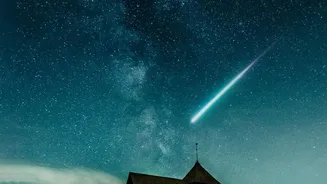
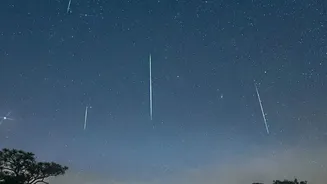
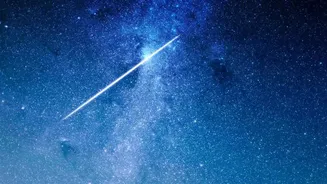
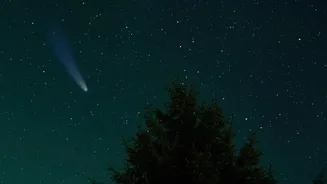
Each October, Earth passes through a stream of cosmic debris left behind by one of the most famous celestial visitors: Halley's Comet. These tiny particles, often no bigger than grains of sand, burn up upon entering our atmosphere, creating the brilliant
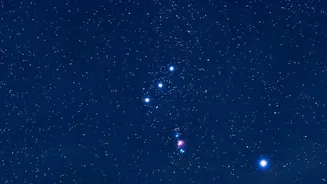
streaks of light we call the Orionid meteor shower. This annual event is considered one of the most beautiful of the year. The meteors get their name from the constellation Orion, as they appear to radiate from a point near the famous hunter's club. Though Halley's Comet itself won't return to our skies until 2061, its legacy provides a reliable and often spectacular show.
Speed, Brightness, and Fireballs
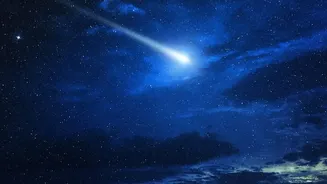
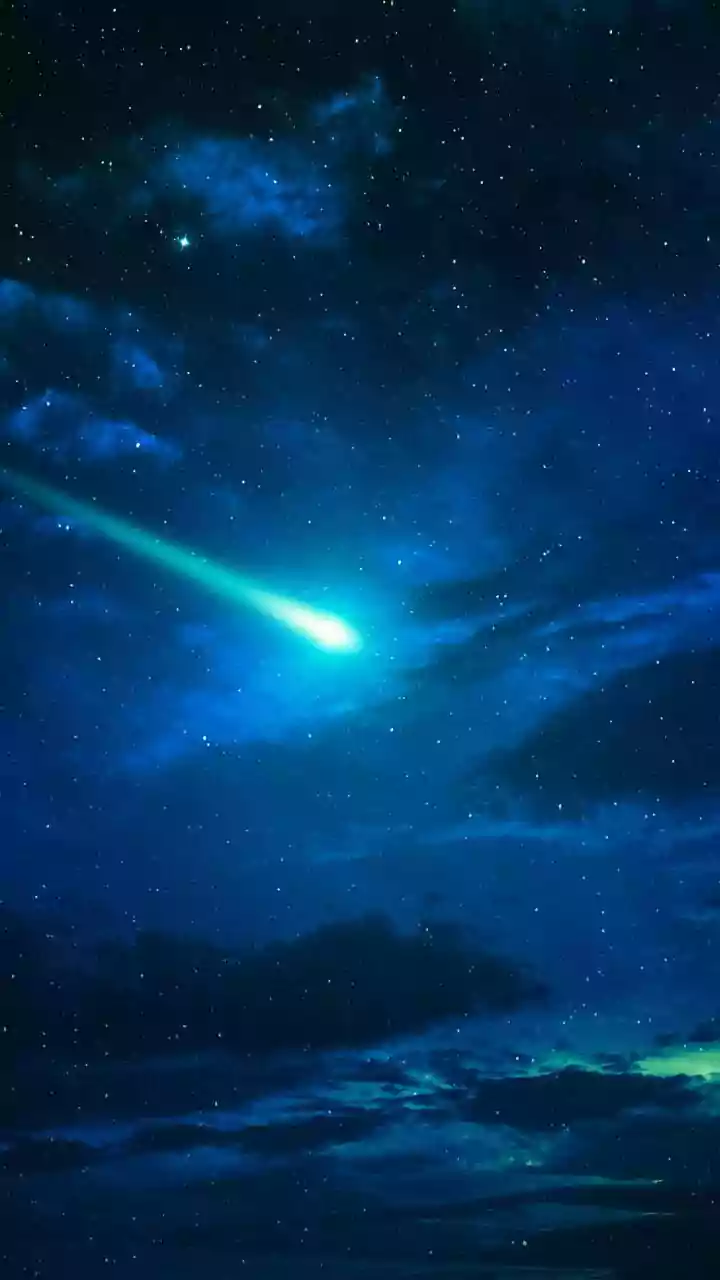
What makes the Orionids particularly special for urban viewers is their speed and brightness. These meteors slam into our atmosphere at a blistering 66 kilometres per second. This incredible velocity means they often burn brighter than meteors from other showers, making them more likely to punch through the glow of city lights. Some of these fast meteors can even become 'fireballs,' which are prolonged explosions of light bright enough to rival the most brilliant stars. Furthermore, their speed can cause them to leave behind glowing 'trains'—incandescent trails of debris that can linger in the sky for several seconds after the meteor itself has vanished, adding an extra layer of wonder to the experience.
The 2026 Peak: When and Where to Look
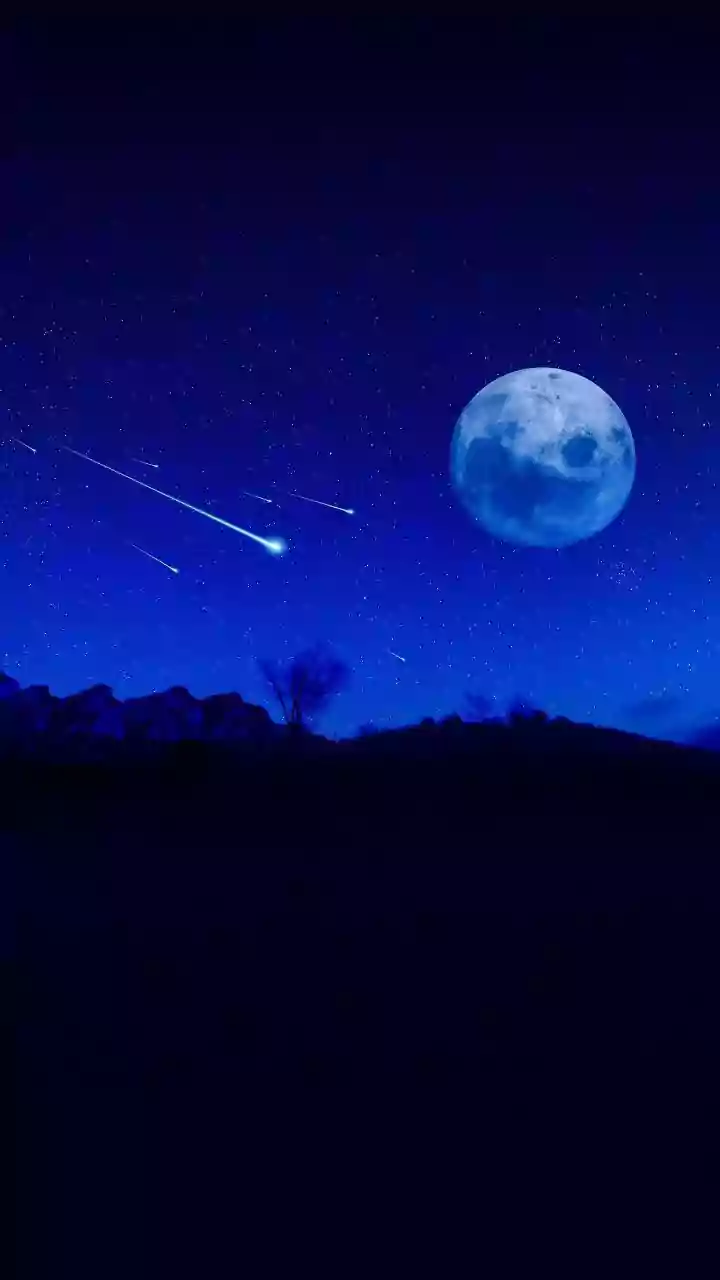
This year, the Orionid meteor shower is predicted to peak on the night of October 21-22. The best viewing time will be in the hours after midnight until dawn. While a waxing gibbous moon will brighten the sky during the early part of the night, it is expected to set around 3 a.m., leaving the pre-dawn hours dark and ideal for meteor spotting. Viewers in both the Northern and Southern Hemispheres can enjoy the show. The radiant point, where the meteors appear to originate, is in the constellation Orion. However, you don't need to stare directly at Orion; in fact, looking about 45 degrees away from the radiant can often yield longer and more spectacular meteor trails.
Tips for the Urban Astronomer
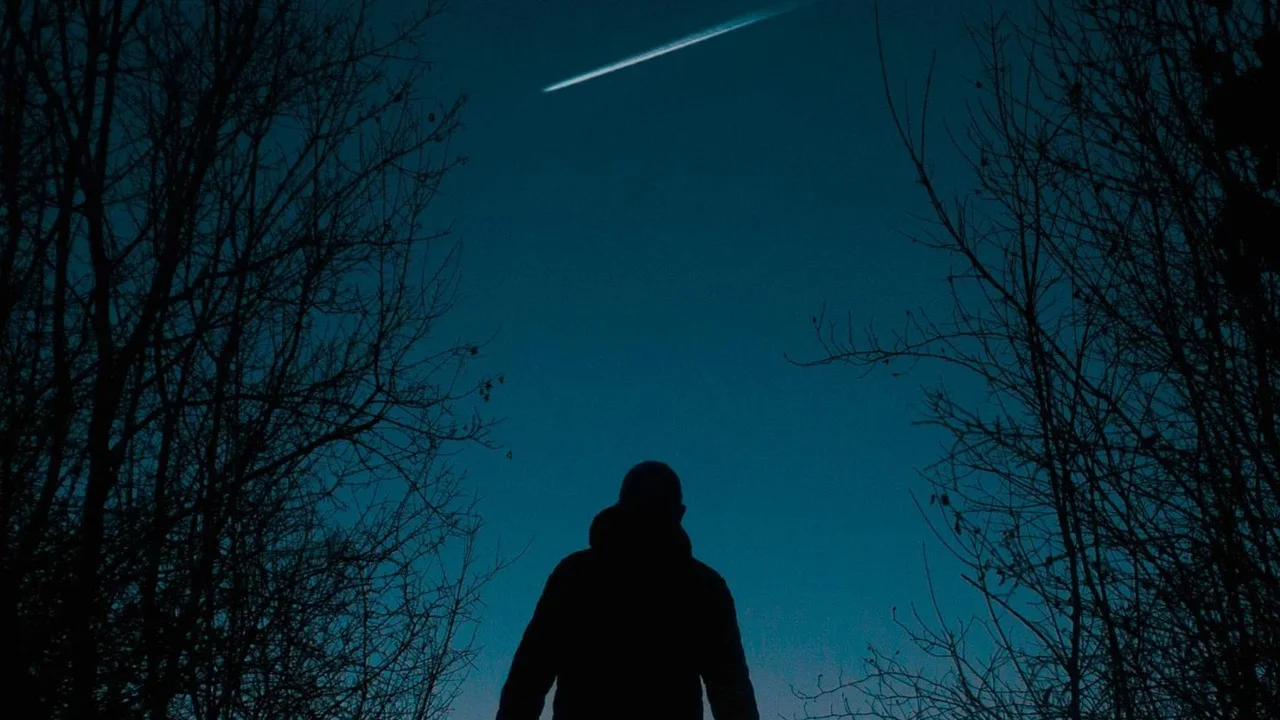
Viewing a meteor shower from a city requires a bit of strategy. First, escape the direct glare of streetlights. Find a local park, a sports field, or even a backyard spot that is shielded by buildings or trees. The key is to find the darkest patch of sky available. Once you've found your spot, give your eyes at least 20-30 minutes to adapt to the darkness; this will dramatically increase your chances of spotting fainter meteors. Resist the urge to check your phone, as its bright screen will ruin your night vision. Lie back on a blanket or a comfortable chair and simply look up, taking in as much of the sky as possible. Patience is essential. While the shower can produce up to 20 meteors per hour in perfect conditions, the rate will be lower in the city, but the bright Orionids make the wait worthwhile.
Beyond the Meteors: An Autumn Sky
While you wait for shooting stars, take the opportunity to appreciate the other celestial sights on display. The constellation Orion itself is a stunning sight, framed by some of the brightest stars in the night sky. The red giant Betelgeuse and the brilliant blue-white Rigel are easily identifiable. The Orionids provide a perfect excuse to disconnect from the hustle and bustle of city life and reconnect with the grander universe above. It's a reminder that even amidst the urban glow, moments of natural wonder are still within reach for anyone willing to look up.