







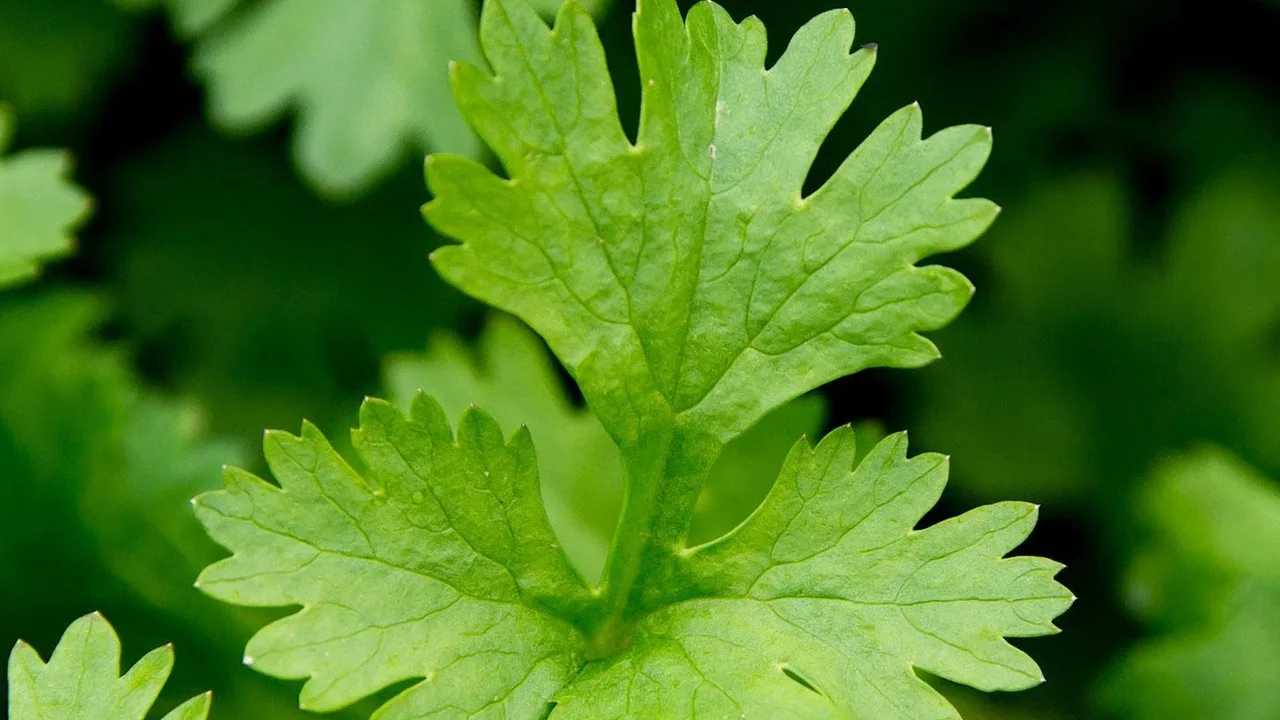
From Garnish to Luxury Item
Across Indian cities, the price of fresh coriander, or dhaniya, has skyrocketed, turning it from a routine garnish into a costly purchase. In markets like Delhi's Azadpur mandi, wholesale prices recently surged to as high as ₹175-₹200 per kilogram, a massive
jump from the usual ₹25 per kg typical for this time of year. This has pushed retail prices in some areas to ₹220-₹230 per kg, leaving many households to use the essential herb sparingly. This isn't just a minor fluctuation; it's a significant shock to kitchen budgets, where coriander is a daily staple for flavour and garnish.
The Prime Culprit: Intense Rainfall
The main reason for the price spike is the intense and erratic monsoon rains, particularly in key growing regions. Nashik in Maharashtra, a major supplier of coriander to northern India, experienced heavy flooding in late July and August. These downpours have severely damaged standing crops. Coriander is a delicate plant, highly vulnerable to waterlogging. Excessive rain leads to root rot, fungal diseases, and drooping plants that wilt within days, drastically reducing the harvestable yield. This year's monsoon pattern, marked by long dry spells followed by intense downpours, has been especially damaging for sensitive crops like leafy greens.
A Disrupted Supply Chain
Crop damage is only half the story. The heavy rains have also crippled the supply chain that brings coriander from farm to market. Flooded fields and damaged rural roads make it difficult for farmers to harvest and transport their produce to wholesale markets, or mandis. Furthermore, the high moisture content from the rains means the harvested coriander has a shorter shelf life and is less likely to survive long-distance transportation to major cities like Delhi. This creates a severe shortage of good-quality produce that can withstand the journey, leaving traders with limited stock to sell. Supplies from other regions like Karnataka have provided some relief, but the quality is often inferior and quantities are not enough to fill the gap.
The Simple Economics of Scarcity
The price surge is a classic case of supply and demand. The demand for coriander remains consistently high across India, as it is a fundamental ingredient in countless dishes. However, the supply has been drastically cut by 20-30% due to the reasons mentioned above. When supply plummets and demand stays constant, prices inevitably rise. Traders in wholesale markets are forced to pay more for the limited, good-quality coriander available, and this increased cost is passed down through the supply chain to retailers and, ultimately, to consumers. The volatility is so high that prices can multiply within a single day if a few truckloads are delayed.
Is It Just Coriander?
While coriander's price jump has been particularly dramatic, it is part of a broader trend of rising prices for other aromatics and vegetables. Prices for ginger, garlic, and green chillies have also seen significant increases due to similar monsoon-related disruptions. However, the vegetable basket presents a mixed picture, as prices for other staples like potatoes and tomatoes have fallen year-on-year in the same period. This highlights how food inflation is currently being driven by crop-specific weather shocks rather than a uniform, market-wide trend. Each vegetable's price story is tied to its specific growing regions and its vulnerability to erratic weather.