





Understand Your Protection Level
Before you buy any protective gear, it's crucial to know the difference between 'water-resistant' and 'waterproof'. Water-resistant items can handle light splashes or a brief shower, as the fabric is tightly woven to prevent water from easily seeping
through. Materials like polyester and nylon often fall into this category. However, during a downpour, they will eventually get soaked. Waterproof, on the other hand, means the item provides a complete barrier to water. For serious monsoon travel, especially during a heavy rain alert, always opt for gear that is explicitly labelled as waterproof to ensure your electronics stay completely dry.
Invest in a Truly Waterproof Backpack
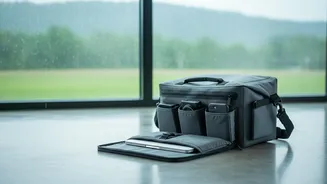
Your backpack is the first line of defence. While many bags are marketed as water-resistant, a heavy Indian monsoon requires something more robust. Look for backpacks made from waterproof materials like PVC-laminated polyester or those with TPU-coated fabrics and sealed zippers. Brands like Decathlon offer ITIWIT dry bags that are specifically designed for activities like trekking and watersports, ensuring the contents stay dry even in heavy splashes. For daily commuters, brands like Safari also offer durable, rain-resistant options. A good waterproof bag is an investment that protects your laptop, camera, and other valuables from the elements.
Use Dry Bags and Pouches for Double Safety
Don't just rely on your main backpack. For ultimate peace of mind, compartmentalise your electronics within smaller waterproof bags or pouches. This practice of 'double bagging' provides an extra layer of security. Use a dedicated waterproof phone pouch, many of which are IPX8 certified, allowing you to use your phone's touchscreen even in the rain. For larger items like camera bodies, lenses, and hard drives, use roll-top dry bags. These are lightweight, affordable, and available in various sizes, offering excellent protection against water ingress.
Pack a 'Wet Device' Emergency Kit
Prevention is key, but accidents happen. Be prepared by packing a small emergency kit. This should include a soft, lint-free microfibre cloth and several silica gel packets. If your phone or any other gadget gets wet, the first step is to turn it off immediately to prevent short-circuiting. Do not plug it in or press any buttons. Gently wipe the exterior with the cloth, remove the SIM card, and place the device in a sealed bag with the silica gel packets for 24-48 hours. These packets are far more effective at absorbing moisture than the old myth of using uncooked rice, which can introduce dust and small grains into the device's ports.
Be Smart About Charging
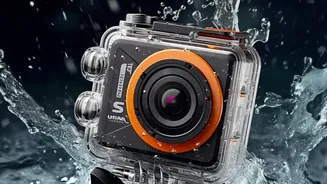
Electricity and water are a dangerous combination. During a downpour, avoid charging your devices in exposed areas. Water can get into charging ports and cause a short circuit, permanently damaging your device. Consider investing in a waterproof or water-resistant power bank for emergencies. It allows you to charge your phone safely without needing to find a dry wall socket. Also, make it a habit to carry zip-lock bags. They are an inexpensive and effective way to protect your chargers, cables, and power bank from moisture when not in use.
Seal Your Ports and Openings
Even with a water-resistant phone, the charging port, headphone jack, and speaker grilles are vulnerable points. For an extra layer of DIY protection during a sudden cloudburst, you can use small pieces of waterproof tape to temporarily seal these openings. While not a foolproof solution, it can prevent water from getting into the most sensitive parts of your device during a quick dash through the rain. Just remember to remove the tape before you need to use the ports to avoid any residue build-up.