

A Taste of the Earth
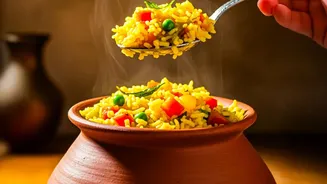
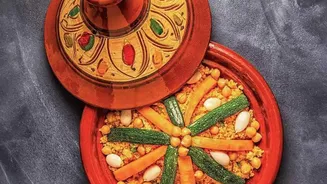
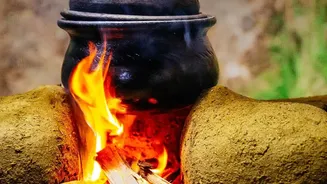
Anyone who has eaten a curry or biryani slow-cooked in a clay pot will attest to its unique flavour. This isn't just nostalgia; it's science. The porous nature of clay allows heat and moisture to circulate evenly throughout the pot. This gentle, consistent
heat cooks food slowly, allowing spices to meld deeply and ingredients to tenderise in their own juices. The result is a dish with a subtle, earthy aroma and a depth of flavour that metal cookware often struggles to replicate. This process retains the natural moisture of the food, making dishes juicier and more tender without needing excess oil or water.
More Than Just Flavour
The resurgence of clay pots is also driven by a growing awareness of their health benefits. Unlike some modern non-stick pans, pure, unglazed clay pots are non-toxic and do not leach harmful chemicals into food. Furthermore, clay is naturally alkaline. This property helps to neutralise the acidity in many foods, which can make meals easier to digest and gentler on the stomach. The slow-cooking process also helps preserve delicate nutrients and vitamins that can be destroyed by the high, direct heat of metal pans. Many proponents also note that the pot's ability to retain moisture means less oil is required for cooking, leading to lower-fat meals.
Echoes from the Indus Valley
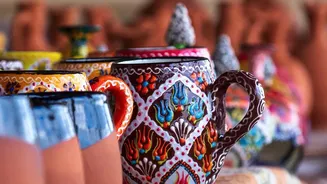
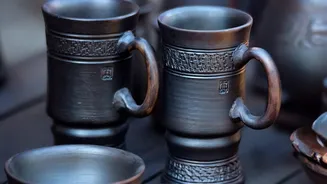
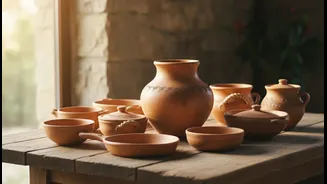
The use of earthenware in Indian cooking is not a trend but a tradition with ancient roots. Archaeological evidence traces the use of clay vessels for cooking back to the Indus Valley Civilisation, over 5,000 years ago. Known by various names like 'handi' or 'matka', these pots were central to daily life for millennia, used for everything from cooking curries and dals to setting curd and storing water. This long history is a testament to their effectiveness and practicality. The craft of making these pots was passed down through generations of artisans, preserving a vital part of India's cultural heritage. The decline in their use came with the advent of more convenient metal and plastic cookware, but their legacy was never forgotten.
The Modern Revival
So why the comeback now? The return to clay pots is part of a larger movement towards more conscious and sustainable living. As people become more mindful of their health and the environment, the appeal of a natural, chemical-free, and biodegradable cooking vessel is undeniable. In a world of fast food and instant meals, the ritual of slow cooking in an earthen pot offers a chance to reconnect with the food we eat and the traditions that shaped our cuisine. This revival is visible not just in home kitchens but also in high-end restaurants that aim to serve authentic Indian flavours. This trend supports local artisans and helps keep ancient craft traditions alive.
Embracing the Handi at Home
Using a clay pot is simple, though it requires a little care. Before the first use, a new pot typically needs to be seasoned by soaking it in water for several hours and then allowing it to dry completely. This process strengthens the pot and prevents it from cracking. When cooking, it's best to start with a low flame and gradually increase the heat, as sudden temperature changes can damage the clay. Cleaning is also straightforward; a gentle scrub with hot water is usually sufficient, as harsh soaps can be absorbed by the porous material. These vessels are perfect for slow-cooked dishes like dals, rich curries, and layered biryanis, where their unique properties can truly shine.