
More Than Just Shelter from the Rain
While the monsoon season, from June to September, was once considered the off-season, it is now becoming a prime period for focused work. The primary driver for this shift is infrastructure. Many remote workers and digital nomads are discovering that
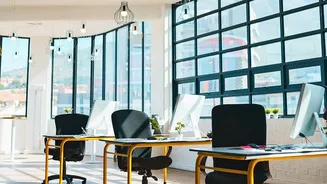
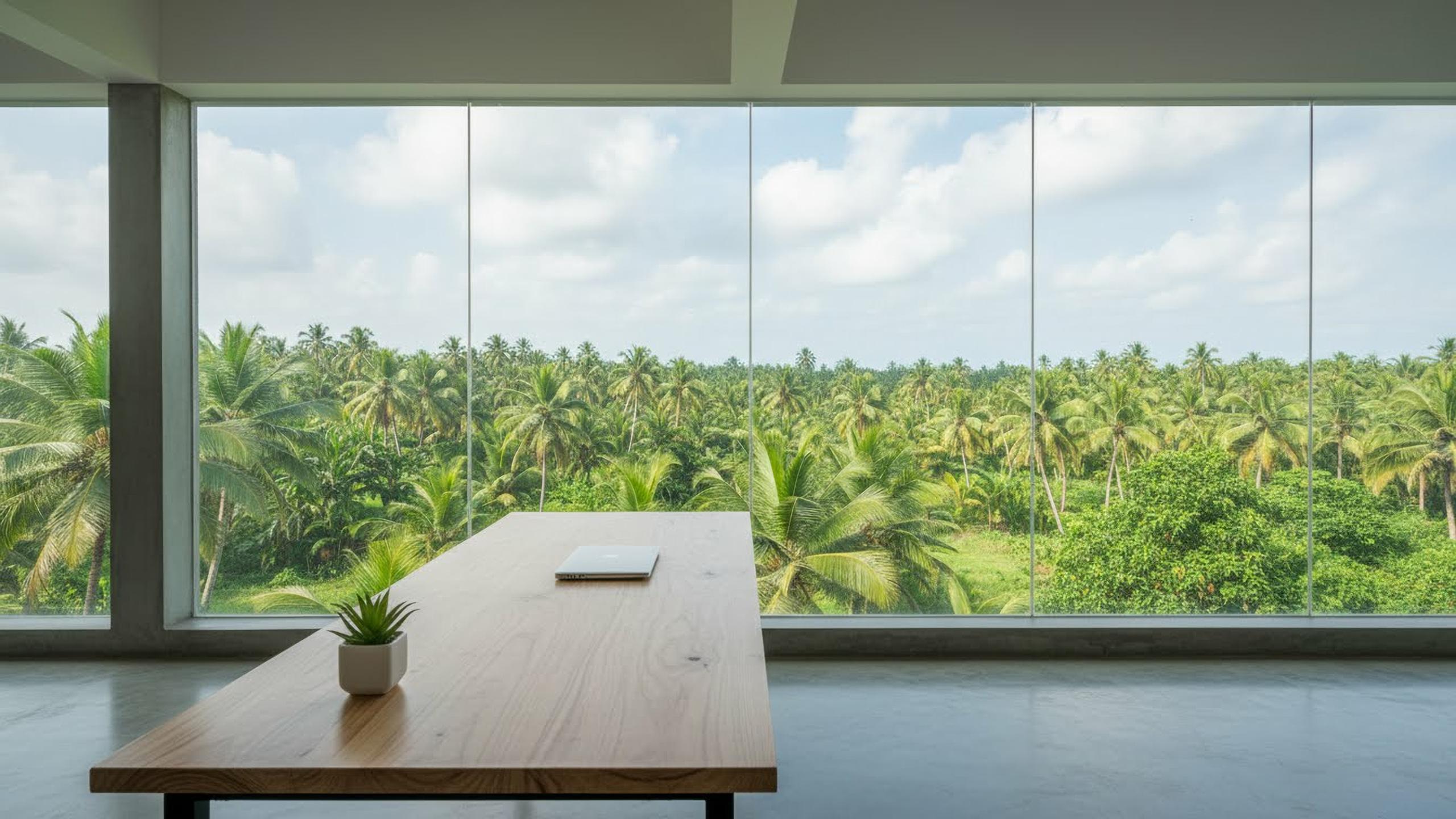
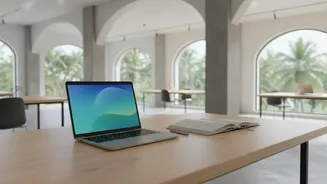
co-working spaces offer a reliable solution to the challenges of monsoon life in Goa, such as inconsistent Wi-Fi and power cuts that are common in residential areas. These hubs provide high-speed internet with generator backup, creating a stable and professional environment that is often difficult to find in a typical rental home or café. For many, it's not just about escaping the downpour; it’s about ensuring their work isn't interrupted, transforming the rainy season from a potential headache into a period of deep productivity. Some hubs even refer to themselves as a “digital lighthouse” during this season, providing essential connectivity for professionals.
The Rise of the Monsoon 'Workcation'
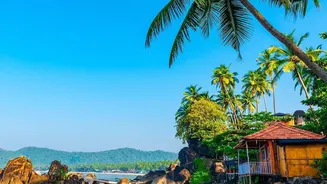
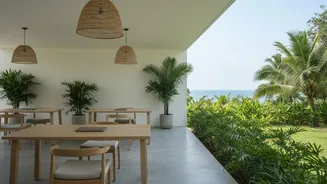
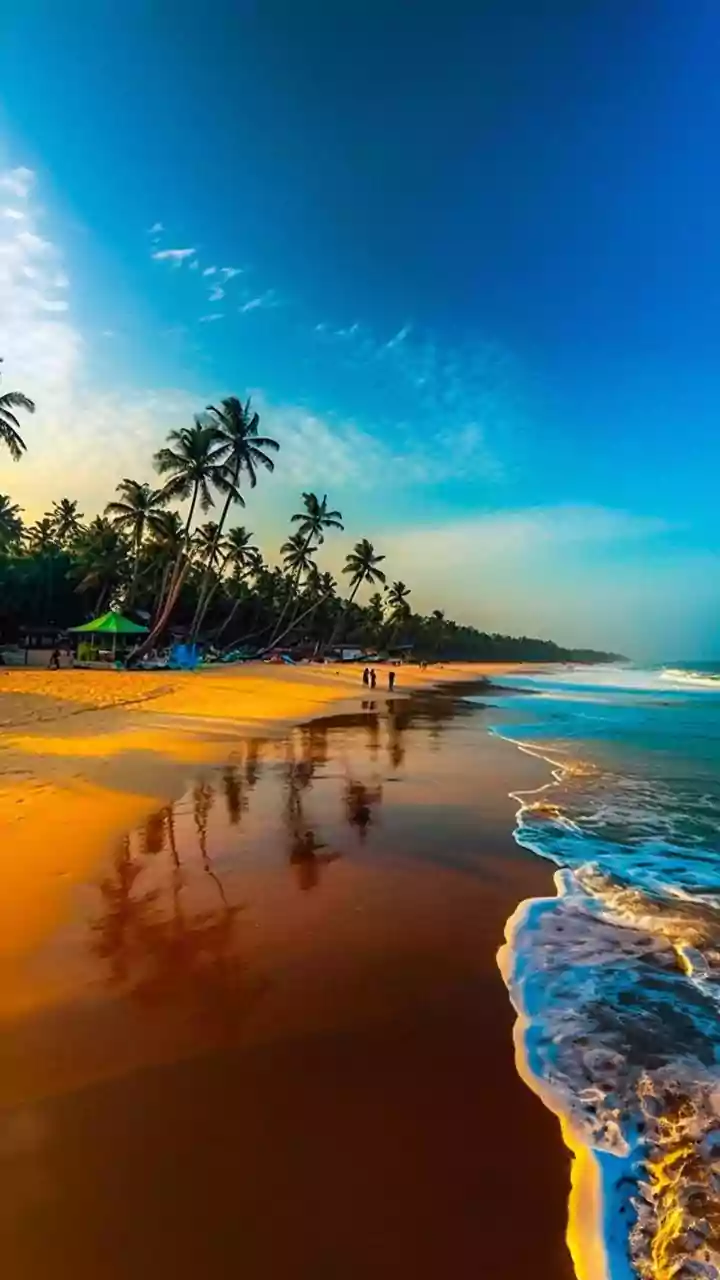
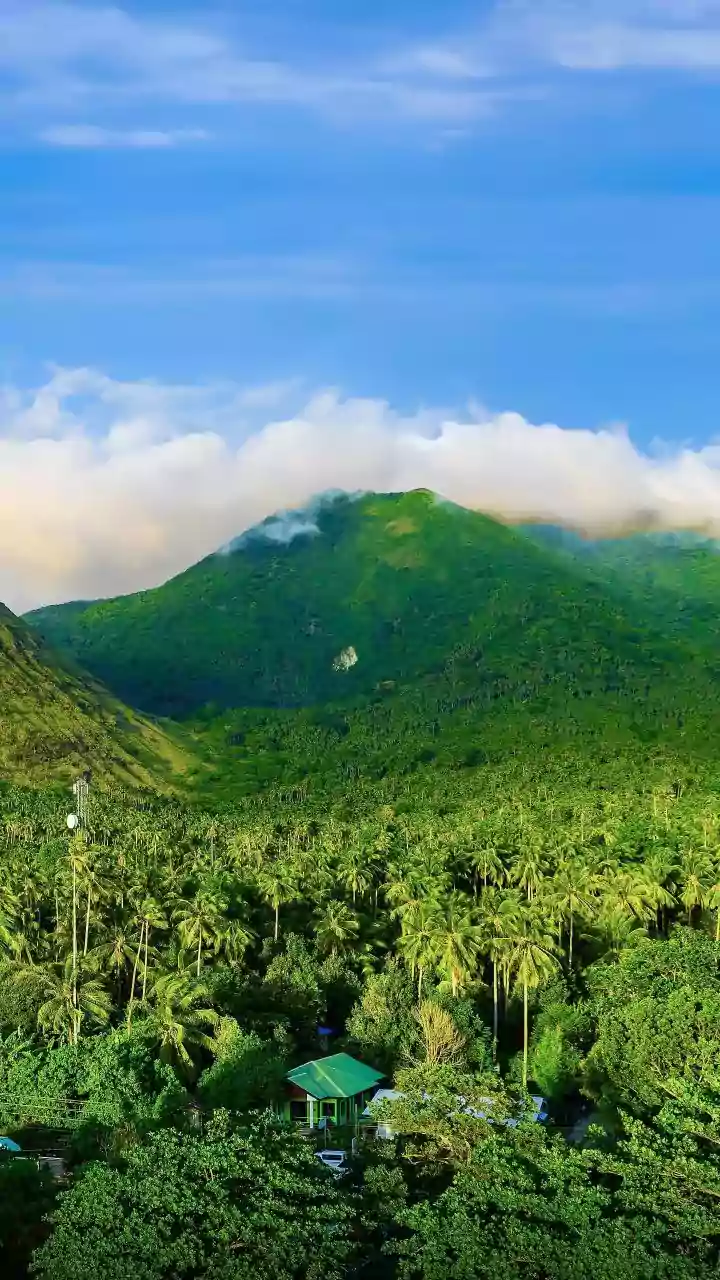
The profile of the monsoon visitor is changing. It's no longer just long-term international digital nomads. A growing number of professionals from Indian metro hubs like Mumbai, Bengaluru, and Pune are flocking to Goa for shorter 'micro-cations' that blend work and leisure. These trips, often spanning a long weekend, are made possible by flexible hybrid work models. South Goa, with its tranquil beaches like Palolem and Benaulim, offers a serene alternative to the party-centric reputation of the North. This quieter atmosphere, combined with the lush, green landscapes of the monsoon, creates an ideal setting for those looking to escape city life without completely disconnecting from their professional responsibilities. The trend signifies a broader shift where Goa is being seen as a year-round destination for a balanced lifestyle, not just a seasonal party spot.
Deals, Discounts, and Desks
To capitalise on this new wave of remote workers, many co-working hubs and even accommodations in South Goa are rolling out attractive monsoon packages. While the peak season from November to February sees higher prices, the rainy months offer significant value. Workers can find discounted weekly and monthly passes that make a 'workcation' more affordable. For example, daily passes can be found for as low as ₹500, with monthly costs for a hot desk being considerably cheaper than in major cities. Some government subsidy schemes may even be available for local startups, further reducing costs. These deals often extend beyond just a desk, with many spaces curating a holistic experience that includes networking events, workshops, and wellness activities like yoga.
A Cure for Remote Work Loneliness
The surge in co-working isn't just about good Wi-Fi; it's also about community. For solo freelancers, digital nomads, and even employees on a remote stint, the monsoon season can feel isolating, with fewer tourists and outdoor activities. Co-working spaces provide a built-in social and professional network. These hubs actively foster a sense of community through organized events, collaborative projects, and shared common areas where people can connect. This is particularly valuable in South Goa, which has a more relaxed vibe compared to the bustling nomad community in the North. These spaces become crucibles for new ideas, partnerships, and friendships, offering a powerful antidote to the loneliness that can sometimes accompany remote work.
South Goa's Evolving Professional Identity
This monsoon trend is reshaping South Goa's identity. Traditionally seen as a sleepy, scenic retreat, it is now carving out a niche as a hub for productive, creative, and wellness-focused professionals. The development of high-quality co-working infrastructure in areas like Margao, Colva, and Palolem is a testament to this evolution. This shift brings year-round revenue and encourages a more sustainable form of tourism that is less reliant on the peak winter season. As more companies embrace remote work, destinations like South Goa that offer a high quality of life, a lower cost of living, and the necessary professional infrastructure are poised for continued growth. The monsoon is no longer a deterrent but an attraction for a new generation of workers seeking balance.