






Beyond Calories: What is Food Literacy?
Food literacy is more than just knowing that vegetables are good for you. It's the practical knowledge, skills, and confidence to plan, manage, select, and prepare food in a way that supports your well-being. Unlike traditional nutrition education that often
focuses on nutrients and rules, food literacy is a holistic approach. It encompasses understanding where food comes from, how to read a food label, basic cooking skills, and appreciating the cultural and social aspects of eating. The goal is not to create nutrition experts, but to empower individuals to make informed choices that feel good for them within their own lives and context.
The Problem with 'Good' vs. 'Bad' Food
For many young people, the conversation around health is dominated by diet culture, which promotes rigid rules and often categorises foods as 'good' or 'bad'. This black-and-white thinking, sometimes called 'nutritionism', reduces food to a collection of nutrients to be optimised, leading to anxiety and fear around eating. Social media can amplify this pressure, promoting restrictive diets that can lead to nutrient deficiencies, poor body image, and even eating disorders. This constant cycle of restriction, guilt, and self-blame is not only unsustainable but can damage a person’s long-term relationship with food and their body.
Building Skills, Not Just Following Rules
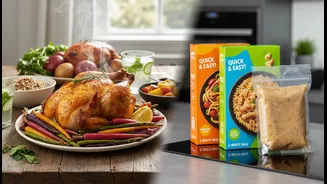
Food literacy offers a powerful alternative. Instead of handing down a list of forbidden foods, it focuses on building practical skills. This includes everything from meal planning and grocery shopping to basic food safety and cooking techniques. It encourages what is known as 'intuitive eating'—learning to trust and listen to your body’s natural hunger and fullness cues. By developing confidence in the kitchen and understanding how to prepare satisfying meals, young people are less likely to rely on ultra-processed and fast foods, which are aggressively marketed and increasingly common in the Indian diet. This approach builds self-efficacy—the belief in one's ability to make healthy choices.
Reconnecting with Indian Food Wisdom
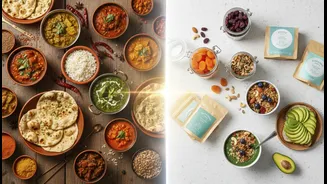
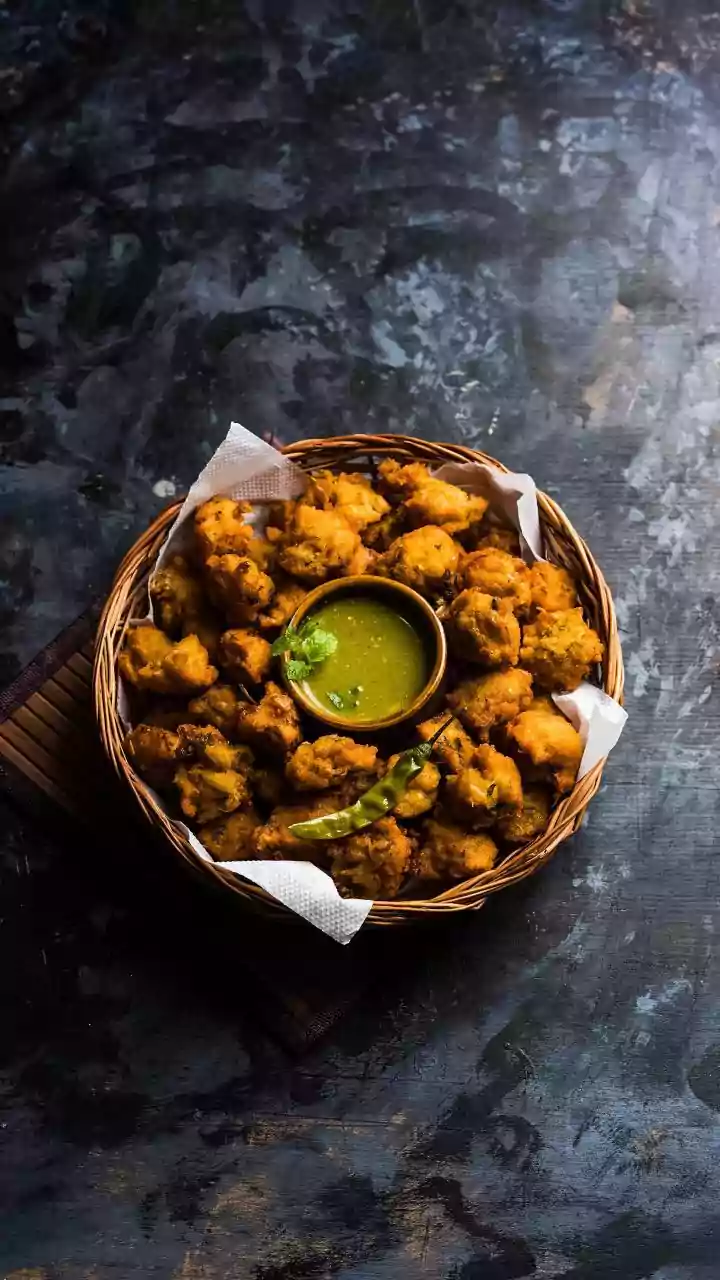
A key advantage of food literacy in an Indian context is its ability to celebrate and integrate traditional food culture. For generations, Indian cuisine has been built on a foundation of diverse, nutrient-rich, and seasonal ingredients. However, modern lifestyles and the rise of convenience foods are eroding this knowledge. Food literacy can help young people rediscover the value of local produce, pulses, and traditional cooking methods. It validates the home-cooked meals that have been a cornerstone of family life, showing that healthy eating doesn't have to mean abandoning cultural heritage for imported 'superfoods'. Initiatives like the 'Nutri-Pathshala' program are already using this model to teach children about their food in a culturally relevant way.
An Empowered Path to Health
Ultimately, promoting food literacy is about playing the long game. It shifts the focus from short-term weight loss to long-term well-being. When young people are food literate, they are better equipped to critically evaluate marketing claims, navigate social situations involving food, and adapt their eating habits throughout their lives. This empowerment can lead to a more positive body image, reduced anxiety around eating, and a decreased risk of the diet-related non-communicable diseases that are rising in India. It moves the goal from being a 'perfect' eater to being a capable and confident one, fostering a healthy relationship with food that can last a lifetime.