


The Daily Dilemma of the Afternoon Crash
For many professionals navigating demanding workdays, the late afternoon brings a predictable energy dip. The morning's caffeine has worn off, focus begins to wane, and the temptation for another coffee becomes overwhelming. While that espresso shot delivers
a quick and powerful jolt, it often comes with unwanted side effects: a racing heart, a feeling of anxiety or 'jitters', and a subsequent, even harder, energy crash a few hours later. This cycle of spiking and crashing can disrupt productivity and impact sleep quality. Many find themselves caught between the need for focus and the unpleasant consequences of their go-to solution, leaving them searching for a more balanced way to power through the day.
Enter Matcha: A Smoother, Greener Energy
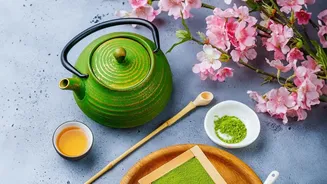
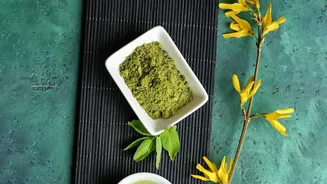
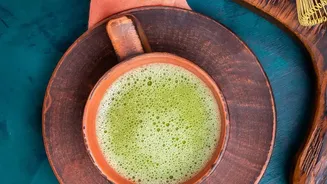
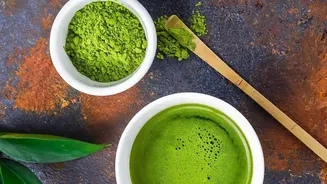
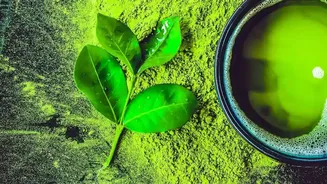
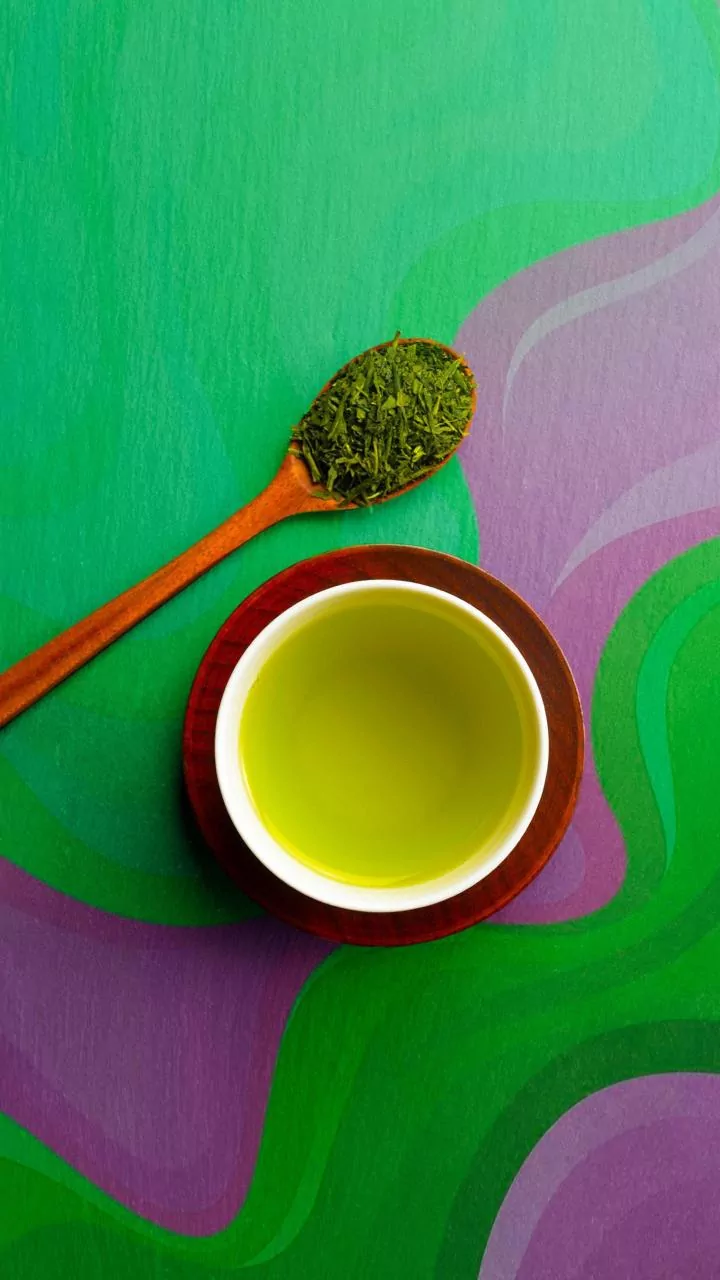
The alternative gaining significant traction is matcha. This vibrant green powder is made from finely ground, specially grown green tea leaves. Unlike regular green tea where you steep and discard the leaves, with matcha you consume the entire leaf, resulting in a much higher concentration of nutrients and active compounds. Rooted in centuries-of-use in Japanese tea ceremonies, matcha has entered the modern wellness landscape as a sophisticated coffee alternative. Professionals are drawn to it not just for its aesthetic appeal, but for its reputation for providing a different kind of energy—one that feels sustained and focused, rather than frantic and fleeting.
The Science of Calm Alertness
The key difference between the energy from coffee and matcha lies in a unique amino acid called L-theanine. While both beverages contain caffeine, matcha naturally contains a significant amount of L-theanine, which is virtually absent in coffee. This compound works in synergy with caffeine to promote a state of 'calm alertness'. L-theanine encourages the production of alpha brain waves, which are associated with a relaxed yet focused mental state. It also slows the body's absorption of caffeine, leading to a gradual energy lift that can last for four to six hours, rather than coffee’s sharper spike. The result is sustained focus and enhanced cognitive performance without the nervous energy or jitters that often accompany a strong cup of coffee.
More Than Just a Caffeine Fix
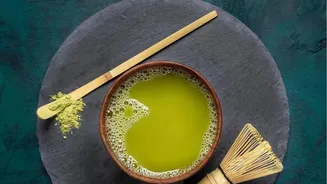
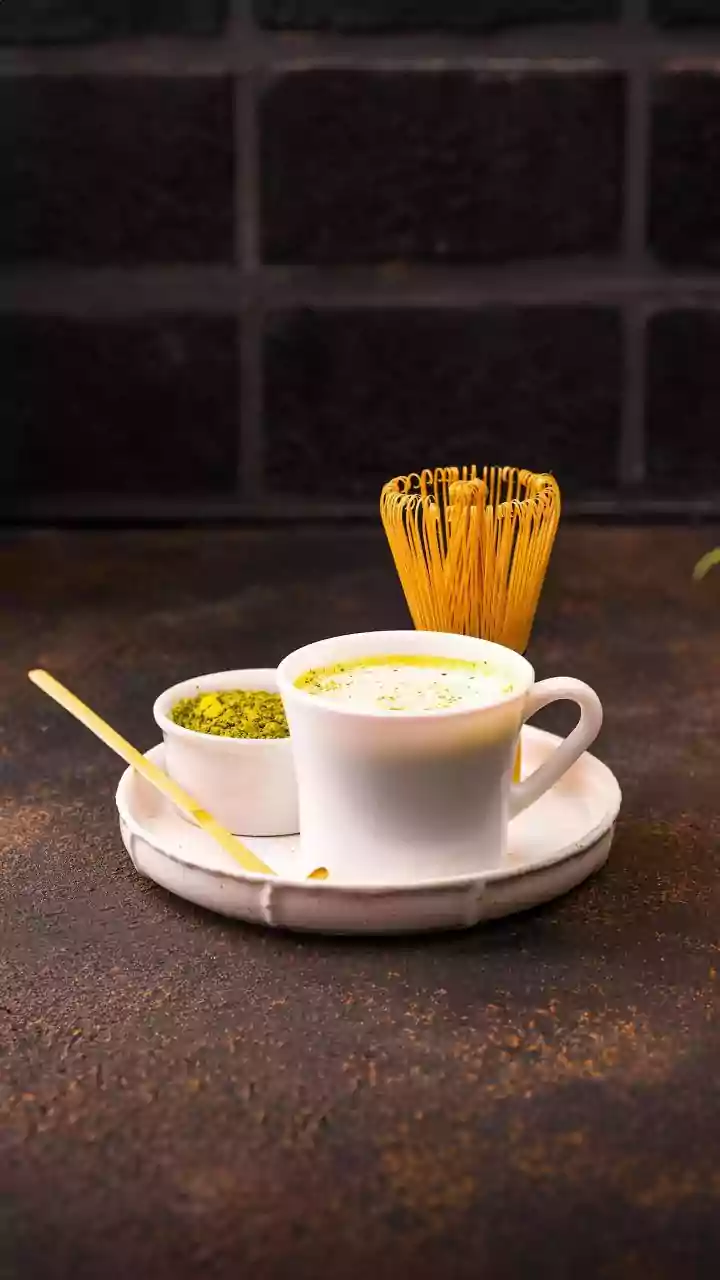
The appeal of matcha extends beyond its energy-modulating effects. Because you consume the whole leaf, it is exceptionally rich in antioxidants, particularly a powerful catechin called EGCG (epigallocatechin gallate). These antioxidants help protect the body's cells from damage and are associated with a range of health benefits. Studies suggest that compounds in matcha may also support metabolism, cardiovascular health, and mood enhancement. For many, the act of preparing matcha—which traditionally involves sifting the powder and whisking it into a frothy beverage—is a mindful ritual in itself, offering a moment of calm in a hectic day.
Making the Switch: A Beginner's Guide
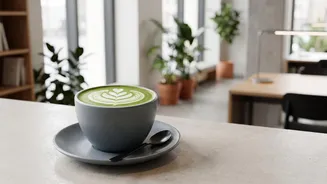
For those curious about trying matcha, a few pointers can ensure a better first experience. There are two main grades: ceremonial and culinary. Ceremonial grade is the highest quality, made from the youngest leaves, and is best for drinking on its own with hot water. It has a smoother, less bitter taste. Culinary grade is more robust and better suited for lattes, smoothies, or baking. Proper preparation is also key. The powder should be sifted to remove clumps and then whisked vigorously with water heated to around 80°C (not boiling) to create a smooth, frothy consistency. Many people start by replacing their second cup of coffee with a matcha, allowing for a gradual transition.