
Seeing the Invisible Universe
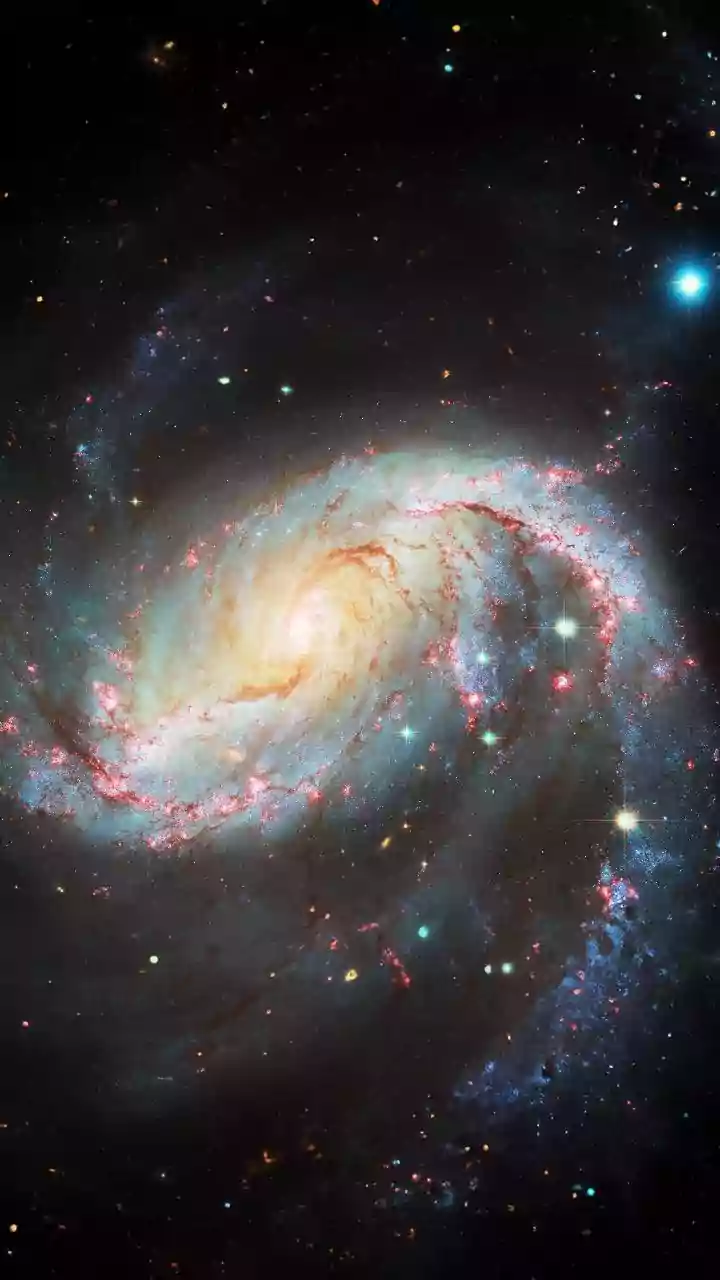
Much of the universe is hidden from our eyes. The vibrant colors we see in images from telescopes like Hubble are just a tiny fraction of the full spectrum of light. Beyond the red light we can see lies infrared, a type of light that is invisible to us but
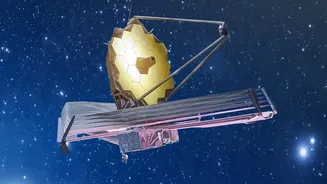
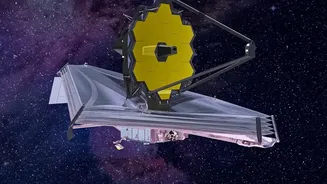
crucial for astronomy. Everything with heat radiates infrared light, and space is full of it. Advanced observatories, most notably the James Webb Space Telescope (JWST), are designed specifically to detect this infrared glow, opening a new window into the cosmos. This capability allows them to see what visible-light telescopes cannot, revealing a hidden universe of cosmic activity.
A Telescope Is a Time Machine
The universe has been expanding since the Big Bang, an event that occurred roughly 13.8 billion years ago. As it expands, it stretches everything within it, including the waves of light traveling through space. This stretching is called cosmological redshift. Light from the most distant objects—the very first stars and galaxies—has traveled for billions of years to reach us. During this immense journey, its light has been stretched so much that what started as visible or ultraviolet light arrives at our telescopes as infrared light. By detecting this redshifted light, astronomers can effectively look back in time to the universe's infancy, seeing galaxies as they existed just a few hundred million years after the Big Bang.
Peering Through Cosmic Dust
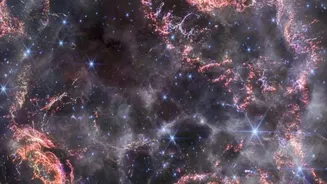
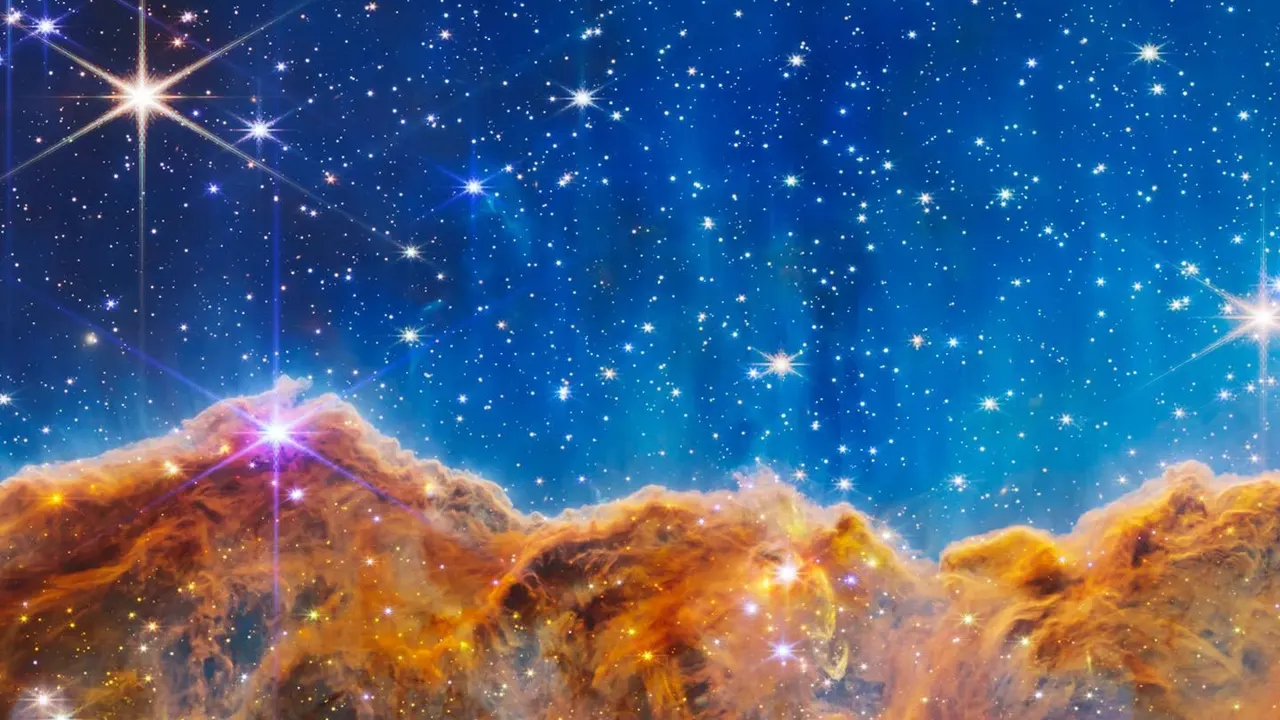
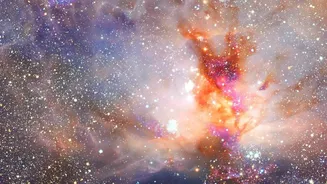
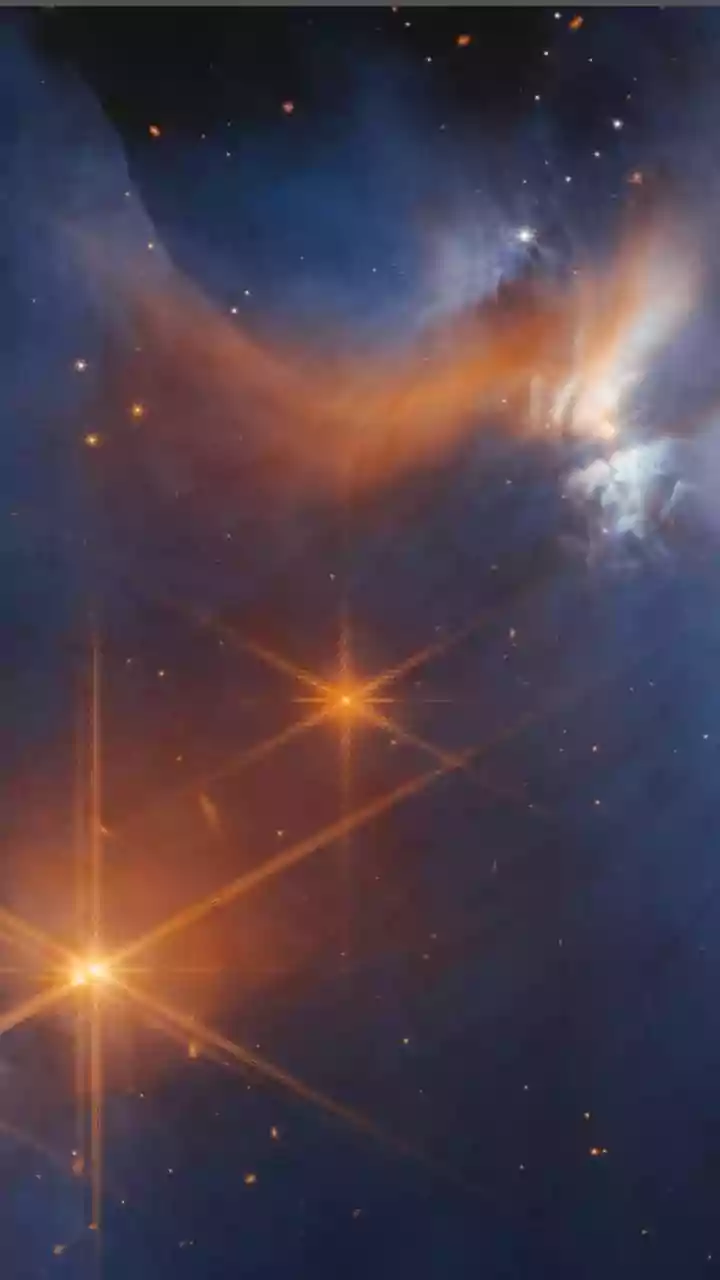
Another major advantage of infrared astronomy is its ability to see through the vast clouds of cosmic dust that fill galaxies. This dust, which is more like smoke than household dust, blocks shorter wavelengths of light, like visible light, making many regions of space opaque to telescopes like Hubble. However, the longer wavelengths of infrared light can pass through these dusty veils more easily. This allows astronomers to peer into stellar nurseries where new stars and planets are forming, and to see the crowded, active centers of galaxies that would otherwise be completely obscured. Telescopes like JWST use their infrared vision to reveal the delicate filaments of gas and dust that fuel star birth, fundamentally changing our view of these dynamic environments.
From Cosmic Dawn to Modern Galaxies
Infrared observations are helping scientists map out crucial periods in cosmic history. After the Big Bang, the universe entered a period known as the cosmic dark ages. The first turning point was the 'Cosmic Dawn', when the very first stars ignited, beginning to burn through the neutral hydrogen gas that filled space. This led to the 'Epoch of Reionization', a billion-year-long process where the light from these early stars and galaxies ionized the surrounding gas, making the universe transparent as it is today. JWST is powerful enough to detect light from this era, identifying some of the earliest galaxies ever observed. By studying them, astronomers can piece together how this monumental transition unfolded and set the stage for the galaxies we see in the modern universe.
Rewriting the Textbooks
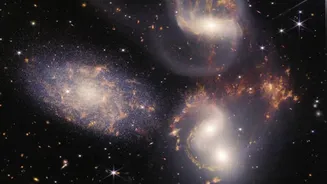
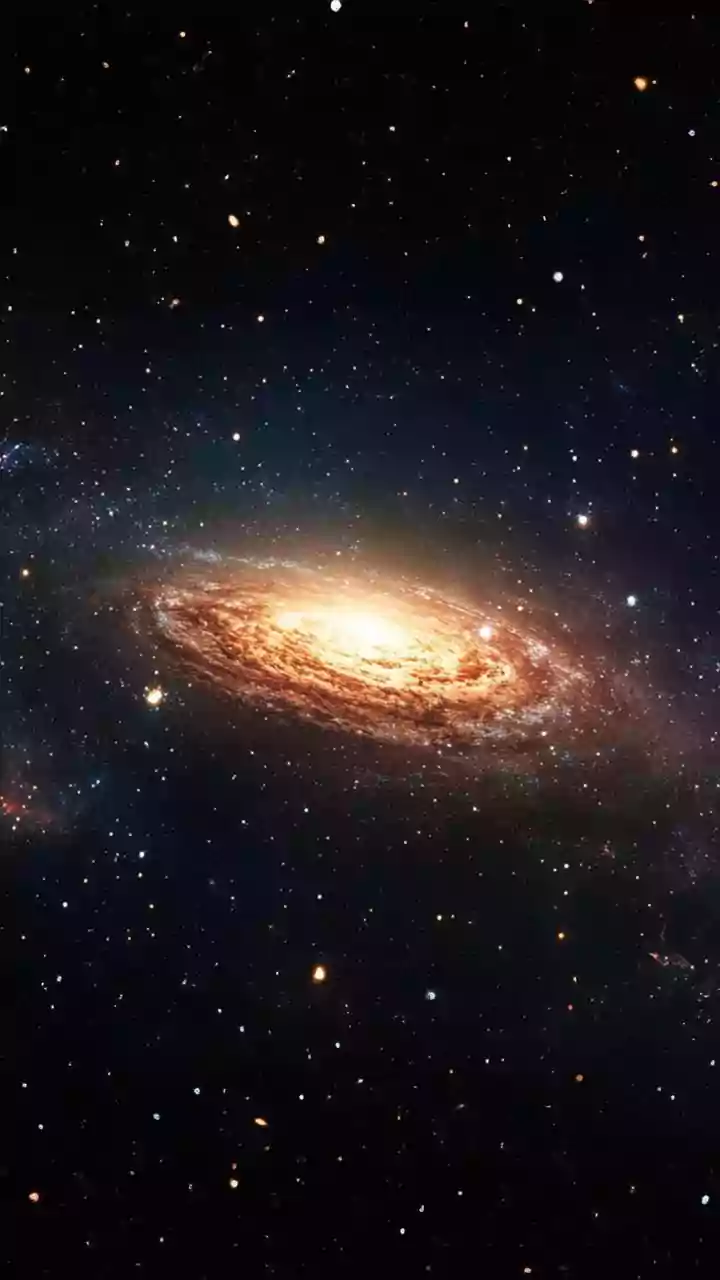
The clarity of these deep space infrared images is already challenging long-held theories about galaxy evolution. For years, scientists believed that the first galaxies were small and grew slowly over billions of years. However, recent discoveries from JWST have revealed surprisingly massive and well-structured galaxies existing much earlier in the universe than models predicted. Some of these ancient galaxies appear to be startlingly mature, with developed spiral arms or other complex features. These findings suggest that the processes of galaxy formation and growth may have happened much faster and perhaps more chaotically than previously thought. Each new image provides crucial data that helps refine our understanding of how these grand cosmic structures came to be.