



The Monsoon's Long Shadow
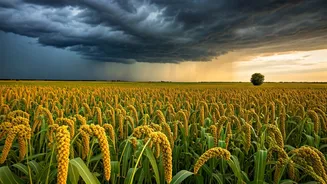
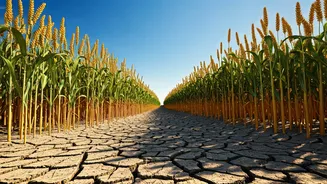
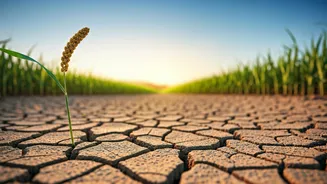
India's agricultural sector, the backbone of its economy and the source of livelihood for millions, is overwhelmingly dependent on the southwest monsoon. A weak or erratic monsoon season sends shockwaves through the country, leading to crop failures,
depleted reservoirs, and rising food prices. Staple crops like rice and wheat, which form the bedrock of the nation's diet, are particularly vulnerable. Rice cultivation, for instance, requires an immense amount of water—up to 5,000 litres to produce just one kilogram of grain. [10] When rains fail, the economic and social costs are staggering, impacting everyone from the farmer in the field to the consumer in the city. This high-stakes dependency on a weather pattern that is becoming more volatile due to climate change is a critical national challenge. [22]
Nature’s Insurance Policy: The Millet Advantage
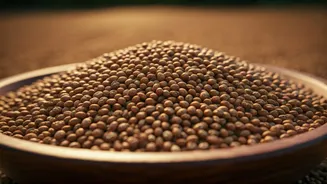
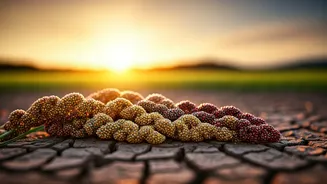
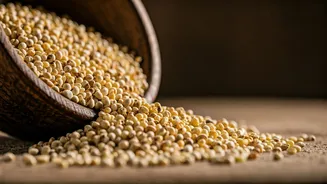
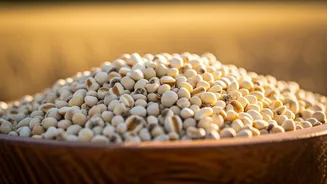
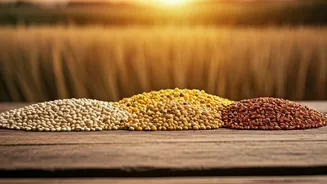
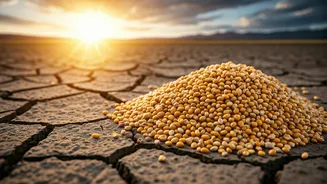
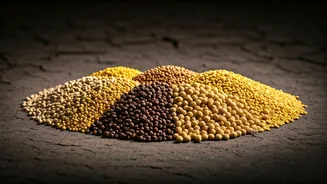
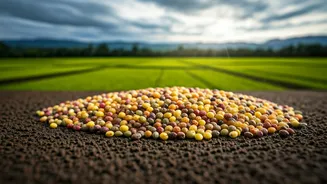
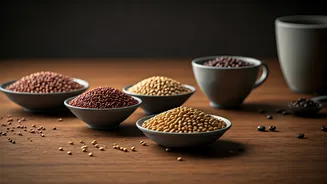
This is where millets (or 'nutri-cereals') enter the picture as a formidable climate-resilient solution. [9, 26] Termed 'climate-smart crops', millets such as bajra (pearl millet), jowar (sorghum), and ragi (finger millet) are built for uncertainty. [24, 11] They are drought-tolerant, require significantly less water than rice and wheat, and can thrive in high temperatures and on poor, marginal soils where other crops would fail. [10, 11, 28] For example, millets need only 300 to 400 litres of water per kilogram of grain, a fraction of what rice demands. [10] Their shorter growing cycles also provide farmers with greater flexibility and a more dependable harvest when rainfall is unpredictable, reducing financial risk and making them a natural insurance policy against a weak monsoon. [11, 22]
More Than a Hardy Crop: A Nutritional Powerhouse
The case for millets goes far beyond their climate resilience. For decades, the focus on rice and wheat during the Green Revolution, while boosting food production, led to a decline in dietary diversity. Millets are now being recognized for their superior nutritional profile. They are packed with protein, high in dietary fibre, and rich in essential minerals like iron, calcium, and zinc. [2, 7, 8] For instance, finger millet (ragi) contains about 10 times more calcium than rice or wheat. [2] With a lower glycemic index, millets are also beneficial for managing blood sugar levels, making them a powerful tool in the fight against lifestyle diseases like diabetes. [3, 4] This makes them a solution not just for calorie security, but for the nation's nutritional security as well.
From Policy to Plate: Reviving the Millet Revolution
Despite their benefits, reviving millet cultivation has its challenges, including historically low demand, lack of policy support compared to rice and wheat, and inefficient processing methods. [13, 24, 25] However, the tide is turning. Building on the momentum of the International Year of Millets in 2023, the Indian government has accelerated its efforts. [5, 19] Initiatives like the Production Linked Incentive (PLI) scheme for millet-based products aim to boost processing and create value-added foods. [18, 20] State governments and Farmer Producer Organisations (FPOs) are promoting climate-resilient agricultural practices and encouraging farmers to shift back to these hardy grains. [27] This renewed focus, from policy-level changes like inclusion in the Public Distribution System (PDS) to the creation of new, consumer-friendly products, is critical to mainstreaming millets. [19, 23]