


Meet Kombucha: The Bubbly Star
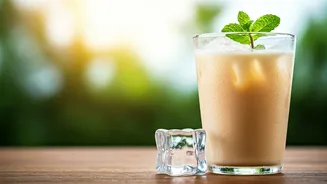
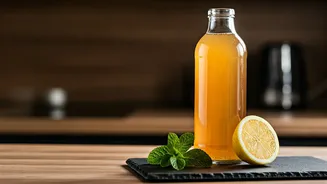
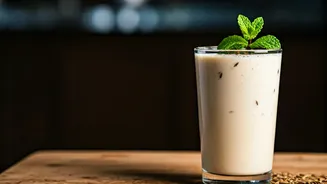
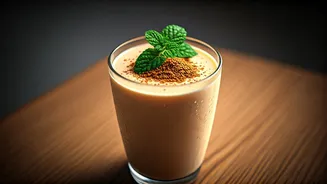
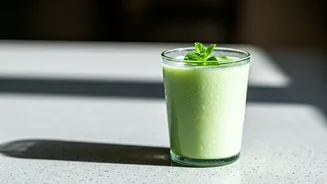
The drink making waves is kombucha. At its core, it’s simply sweetened black or green tea that has been fermented. The result is a slightly effervescent, pleasantly tart beverage that can be flavoured with everything from ginger and lemon to hibiscus
and mango. Once a niche product found only in speciality health stores, kombucha has exploded into the mainstream. You can now find artisanal Indian brands lining supermarket shelves, dedicated ‘kombucha bars’ popping up in metros, and, most tellingly, countless people brewing their own batches at home. Its unique taste profile—a complex mix of sweet and sour—makes it a sophisticated alternative to both sugary sodas and plain water.
The Magic Behind the Ferment
The secret to kombucha lies in a peculiar, rubbery disc called a SCOBY, which stands for Symbiotic Culture of Bacteria and Yeast. This living culture is the ‘mother’ that transforms a simple sweet tea into a probiotic powerhouse. When you add the SCOBY to sweetened tea and let it sit for a week or two, the yeast consumes the sugar and produces trace amounts of alcohol and carbon dioxide (creating the fizz), while the bacteria convert that alcohol into healthy organic acids. This process infuses the drink with beneficial bacteria, or probiotics, which are the main reason for its 'healthy' reputation. Think of it as a tiny, living factory working to create a delicious, complex drink.
Is It Actually Good for You?
Kombucha’s fans praise it for a wide range of benefits, chief among them being improved gut health. The probiotics generated during fermentation can help balance the good bacteria in your digestive system, which is linked to better digestion and overall wellness. Because it’s made from tea, kombucha also contains antioxidants, which help fight free radicals in the body. However, it's important to approach these claims with a dose of reality. While fermented foods are generally considered beneficial, much of the research on kombucha specifically is still in its early stages. Furthermore, the amount of sugar can vary widely between brands, and home-brewed versions carry a small risk of contamination if not prepared carefully. It's a healthier choice than a can of cola, but not a magic cure-all.
The DIY Brewing Movement
A huge part of kombucha’s appeal is the DIY aspect. For many, brewing it at home has become a rewarding hobby. The process is surprisingly simple and cost-effective. All you need is tea, sugar, water, a starter SCOBY (often shared between friends or bought online), and a large glass jar. Home brewers love the ability to control the sugar content and experiment with an endless variety of flavours during the second fermentation stage. Adding fresh fruit juices, herbs like mint, or spices like cinnamon can create a personalised brew tailored exactly to your taste. This hands-on approach connects people more deeply to what they consume, turning a simple drink into a creative project.
A Modern Twist on Indian Tradition
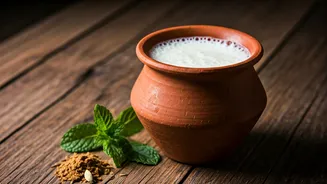
While kombucha may seem like a trendy import, the practice of fermenting drinks for health is deeply rooted in Indian culture. For generations, Indian households have made drinks like ‘kanji,’ a tangy, fermented beverage made from black carrots, or fermented rice water, known for its digestive benefits in the south. Kombucha, in a way, is just a modern, globalised version of this age-old wisdom. It taps into a familiar concept of using natural fermentation to create something both delicious and nourishing. This cultural resonance is perhaps one reason why it has been embraced so enthusiastically here, feeling less like a foreign fad and more like the rediscovery of a forgotten tradition in a new, exciting form.