




Embrace Light-Toned Woods
Wood is a classic choice for adding warmth, but in a small room, the type of wood is crucial. Dark, heavy timbers like mahogany or walnut can absorb light and visually shrink a space. Instead, opt for light-toned woods such as ash, maple, pale oak, or bamboo.
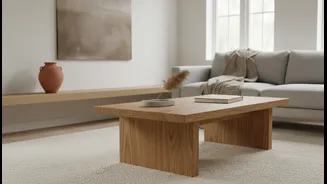
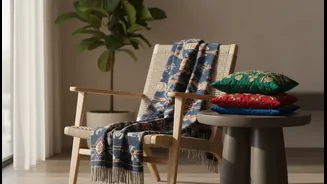
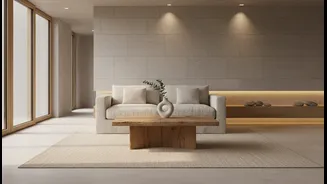
These woods have a lighter visual weight and reflect natural light, which helps make a room feel more open and airy. You don't need to install hardwood floors to get the effect; incorporating a single piece like a slender-legged coffee table, floating shelves, or a simple picture frame can introduce that organic warmth without overwhelming the room. Using wood with a matte or natural oil finish, rather than a high-gloss varnish, also enhances its tactile, grounding quality.
Incorporate Woven Textures
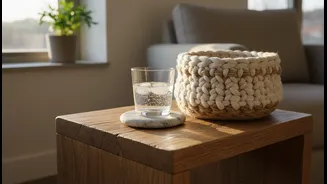
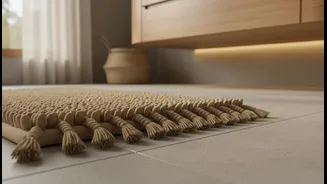
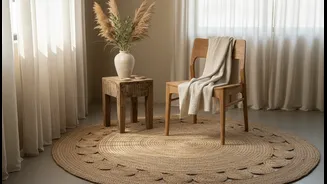
Materials like rattan, wicker, and jute are champions of texture without bulk. Because these materials are woven, they are visually porous, allowing light and sightlines to pass through them. This creates a sense of depth and interest that is perfect for small spaces. A rattan pendant lamp, for instance, casts beautiful shadows and adds a sculptural element without creating a solid visual block. Similarly, a jute rug can ground a seating area and add a rustic, earthy feel underfoot, defining a zone without closing it off. Woven baskets are another excellent addition, offering stylish storage that hides clutter while contributing to the room's warm, natural aesthetic.
Layer with Natural, Breathable Textiles
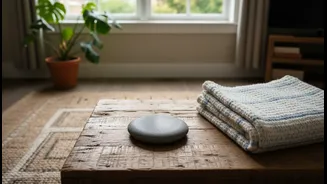
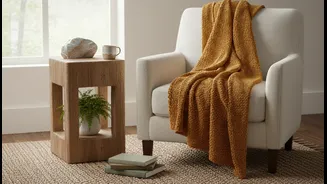
Soft furnishings are one of the easiest ways to cultivate a cozy atmosphere. In a small room, focus on natural, breathable fabrics like linen, cotton, and wool. Linen, in particular, is an excellent choice for its relaxed, slightly rumpled texture that signals comfort and ease. Linen curtains can soften a window and filter light beautifully without the heaviness of velvet or other thick materials. Layering is key, but it must be done thoughtfully. A lightweight wool throw draped over a sofa or a few cotton cushion covers in warm, neutral tones can add significant warmth and comfort without appearing cluttered. These textiles absorb sound, soften hard edges, and make even a minimalist room feel more inviting.
Use Stone and Ceramics Sparingly
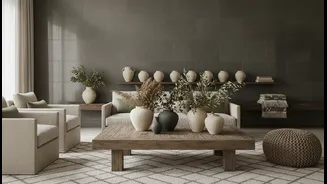
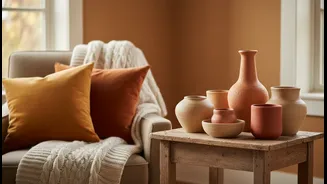
While soft textures are important, a room needs grounding elements to feel balanced. This is where materials like stone and clay come in. You don’t need a stone accent wall to achieve this; small, intentional touches can have a big impact. A marble tray on a coffee table, a slate serving board in the kitchen, or a simple ceramic vase with a handcrafted feel can add a sense of permanence and an earthy quality. Terracotta pots for plants are another perfect way to incorporate this element, blending natural greenery with an earthy material. These materials provide a cool, smooth contrast to softer textiles and warm woods, creating a richer, more layered sensory experience.
Bring the Outdoors In with Greenery
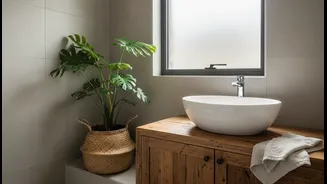
No discussion of natural materials is complete without mentioning plants. Greenery is perhaps the most effective way to bring life, freshness, and a sense of calm into any space, especially a small one. Plants introduce organic shapes and a touch of nature that no artificial decor can replicate. In a small apartment, a single, well-chosen statement plant can act as a living sculpture, drawing the eye and adding a focal point without creating clutter. To save floor space, consider hanging planters or placing smaller plants on shelves and windowsills. Plants interact beautifully with natural light, casting soft shadows that create depth and make a room feel more dynamic and alive.