




The End of Food Guilt
For years, the conversation around festive eating was dominated by what to avoid. The result was often a spiral of restriction, overindulgence, and guilt. Nutrition experts are now championing a more compassionate approach that rejects the idea of 'good'
and 'bad' foods. The shift is towards mindful eating, which encourages you to savour your food, listen to your body’s hunger and fullness cues, and enjoy treats without shame. This change acknowledges that a few days of festive feasting do not derail a year of healthy habits and that mental well-being is just as important as physical health.
Portion Control is the New Mantra
Instead of forbidding favourite treats, the modern approach is to simply enjoy them in smaller quantities. Portion control is consistently hailed by dietitians as a key strategy. This can be as simple as using a smaller plate, filling half of it with salad or vegetables first, or following a 'one-serving' rule for desserts and fried snacks. The idea isn't to deprive yourself but to savour the experience. By eating slowly and mindfully, you increase satisfaction and are less likely to overeat. This allows you to taste a variety of dishes without feeling uncomfortably full.
Prioritise Protein Power
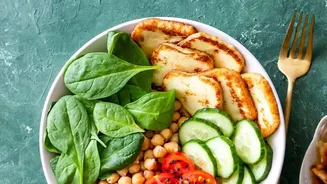
One of the most effective strategies for navigating a festive spread is to start with protein. Foods rich in protein—like lentils, chickpeas, paneer, yoghurt, or grilled meats—help you feel full for longer. This increased satiety makes you less likely to overindulge in high-carbohydrate and sugary foods later. Nutritionists suggest dedicating a quarter of your plate to a lean protein source. This not only helps manage your appetite but also provides sustained energy, keeping you from feeling sluggish after a big meal.
Fibre is Your Festive Friend
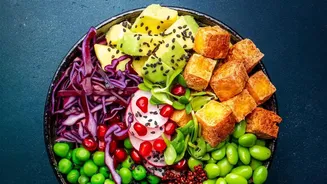
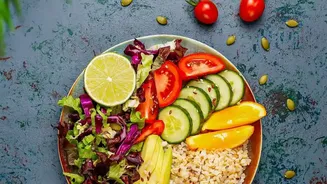
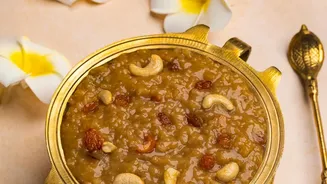
Fibre is a crucial component of a balanced festive plate. It aids digestion, helps stabilise blood sugar levels, and contributes to a feeling of fullness. Before diving into richer dishes, experts recommend filling up on fibre-rich foods. This means starting with a salad, having a side of roasted vegetables, or incorporating whole grains into your meal. Pairing sweets with high-fibre food can also help slow down sugar spikes, preventing the dreaded post-mithai energy crash.
Embrace Variety and Hydration
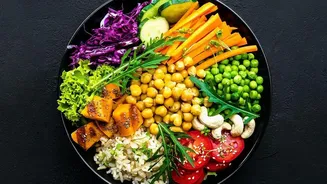
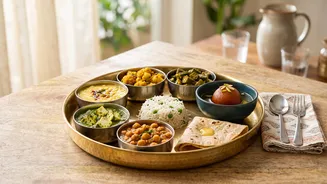
A healthy festive diet isn't about blandness; it's about variety. An Indian festive meal is naturally a multi-dish affair, celebrating a balance of flavours and food groups. The new nutritional mindset encourages this, focusing on building a plate with a mix of vegetables, protein, and a small portion of festive indulgences. It's also important to stay hydrated. Often, we mistake thirst for hunger. Sipping on water, coconut water, or unsweetened lime water throughout the day can help manage cravings and aid digestion.