
The Shifting Mountain Landscape
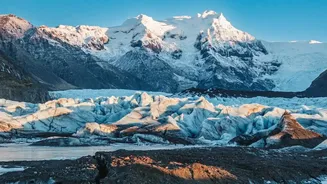
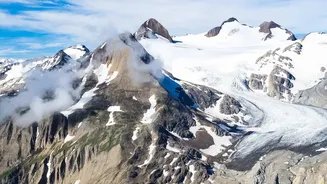
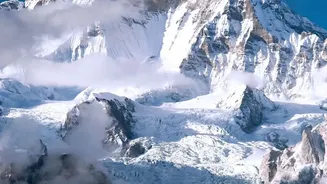
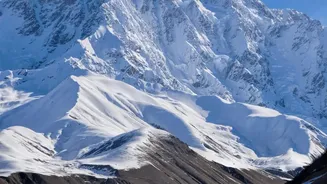
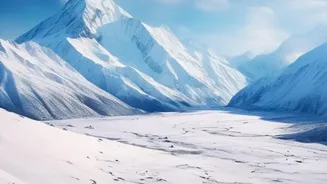
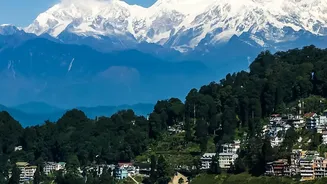
For decades, mountain ranges like the Himalayas and the Alps have been seen as symbols of stability. Today, that stability is increasingly a myth. Rising global temperatures are having a dramatic and accelerated effect at high altitudes. Glaciers, once
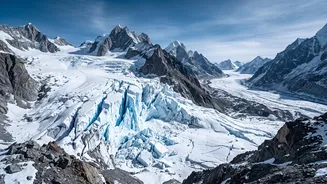
mighty rivers of ice, are melting at an alarming rate, and permafrost—the frozen ground that acts like cement for rock faces—is thawing. This destabilization is not just an environmental concern; it's a direct safety issue. When the ice and frozen soil that hold mountainsides together weaken, the risk of sudden, catastrophic events increases significantly, turning once-reliable routes into potential hazards.
From Unseen Lakes to Falling Rocks
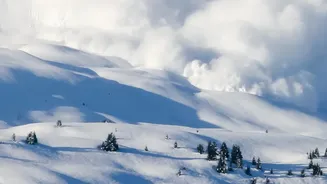
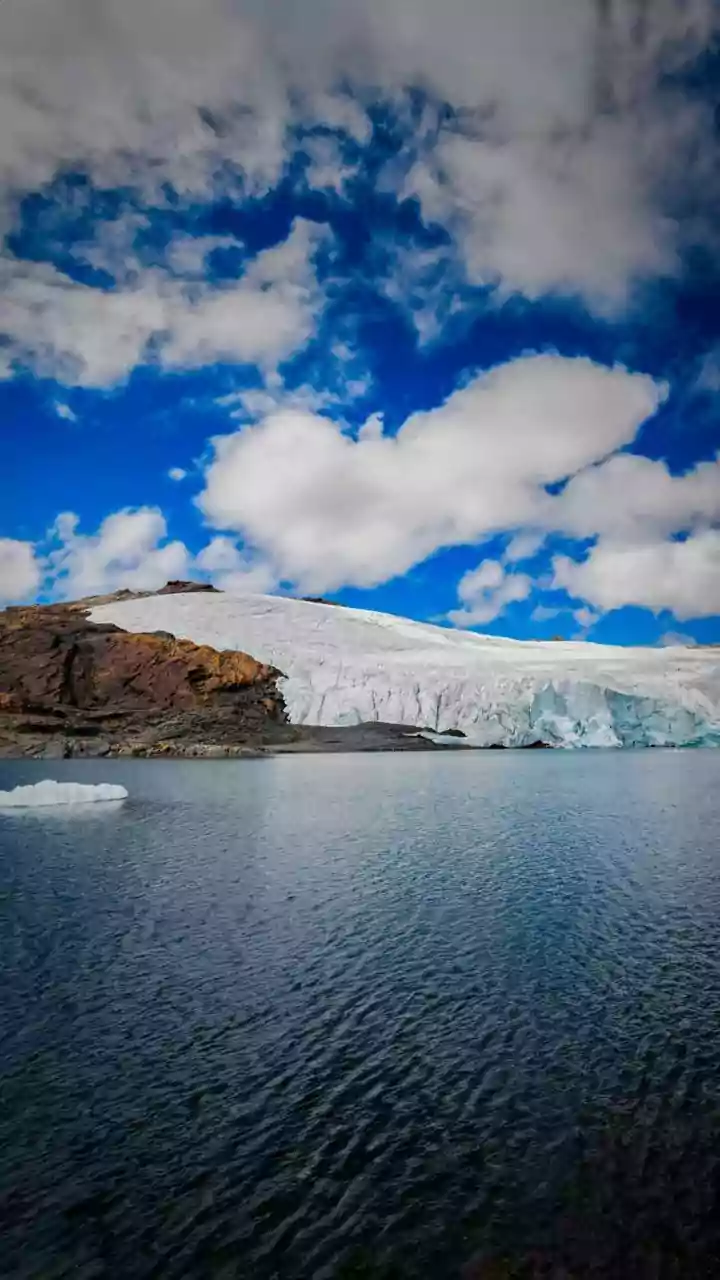
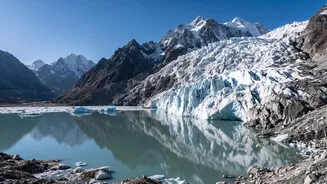
The most significant threats stem directly from this warming. One major hazard is the growth of glacial lakes, which form as meltwater pools behind natural dams of rock and debris. These dams can be unstable, and a breach can trigger a Glacial Lake Outburst Flood (GLOF), sending a devastating tsunami of water, mud, and boulders down a valley with little warning. In the Sutlej river basin in the Himalayas alone, the number of glacial lakes grew from 1,359 in 2020 to 2,292 in 2023. At the same time, thawing permafrost makes rockfalls and landslides more frequent. Entire slopes that were once held solid by ice are now prone to collapse, as seen in recent disasters in the Alps and the Himalayas. The 2021 Chamoli disaster in Uttarakhand, which claimed over 200 lives, was caused by a massive rock and ice avalanche.
Unpredictable Weather and Risky Seasons
Beyond the physical landscape, climate change is making mountain weather dangerously erratic. Traditional trekking seasons, which were once reliable guides for safe travel, are becoming less predictable. The monsoon season in the Himalayas, for instance, is seeing changes in timing and intensity, leading to sudden, extreme rainfall events that can trigger flash floods and landslides. Storms that used to be seasonal can now appear with little warning, and rapid temperature fluctuations can turn a pleasant hike into a life-threatening situation. This means that a trail considered safe in May one year might be treacherous the next, and clear morning skies can give way to severe afternoon thunderstorms. Relying on old guidebooks or past experiences is no longer enough; conditions are changing too quickly.
A New Mindset for Mountain Travel
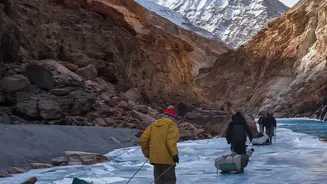
This doesn't mean you have to cancel your mountain vacation, but it does require a fundamental shift in how you plan it. The era of casual, last-minute mountain trips to high-altitude or remote regions may be ending. Today, responsible travel requires climate awareness. It means accepting that nature has the final say and building flexibility into your plans. This new mindset involves more thorough research, a willingness to change or cancel plans based on current conditions, and a deeper respect for the dynamic environment you are entering. Trusting the expertise of local guides and operators, who are on the ground witnessing these changes firsthand, has become more crucial than ever.
How to Plan for a Safer Trip
To travel more safely in this new reality, preparation is key. First, research your destination's specific climate risks and check recent conditions, not just seasonal averages. Many alpine clubs and tourism bodies now provide up-to-date information on trail closures and hazards. Second, build buffer days into your itinerary to account for weather delays. Third, pack for all eventualities, including waterproof gear, extra layers, and emergency supplies, even on what seems like a simple day hike. Finally, ensure your travel insurance explicitly covers high-altitude trekking and emergency evacuations, and read the fine print on what is covered in case of weather-related disruptions. A licensed guide can significantly improve safety through their expertise in navigation, weather patterns, and emergency response.