



The Numbers Behind the New Normal
Recent findings paint a clear picture of a generational pivot in transportation. A nationwide survey from July 2026 by IntrCity SmartBus, which polled over 13,300 people, found that young and working professionals are spearheading the move towards shared
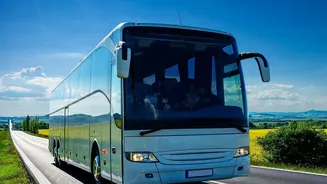
mobility for even long-distance journeys. Nearly three-quarters of the respondents were between 18 and 43 years old. Tellingly, 76% of those surveyed expect to increase their use of shared mobility services over the next three years. This isn't just about intra-city commutes. For intercity trips of 400-600 km, nearly 70% of respondents said they would prefer a premium shared bus over a personal car, train, or flight if the costs were identical, showcasing a preference for convenience and stress-free travel.
Why Access is the New Ownership
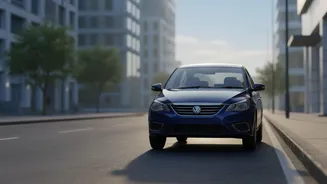
Several powerful forces are driving this trend away from private vehicle ownership. For many young Indians, the economics are undeniable. The high costs of purchasing a car, combined with ongoing expenses for fuel, insurance, maintenance, and parking, make pay-per-use services an attractive alternative. Shared mobility platforms offer the freedom of movement without the heavy financial burden. Beyond cost, convenience is king. The ability to summon a ride with a few taps on a smartphone fits seamlessly into the digital-native lifestyle of Millennials and Gen Z. This generation prioritizes experiences over possessions, and the flexibility of shared services aligns perfectly with a preference for multiple, spontaneous trips over a single, planned annual holiday.
More Than Just Cabs
The shared mobility ecosystem in India extends far beyond ride-hailing giants like Ola and Uber. The market now includes a diverse range of services catering to different needs. Micro-mobility services featuring electric bikes and scooters from companies like Yulu are booming, providing crucial last-mile connectivity in congested urban areas. Meanwhile, for longer trips, premium bus services are gaining traction by offering better amenities, safety, and digital booking experiences. This diversification is transforming how people navigate cities and travel between them. The rapid expansion of shared electric vehicle fleets is also a key factor, aligning with a growing environmental consciousness among younger consumers and supported by government initiatives promoting sustainable transport.
The Impact on India's Urban Future
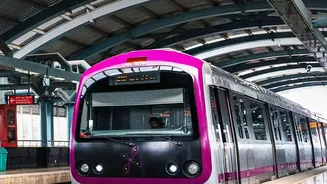
This behavioural shift has profound implications for India’s sprawling urban centres. Increased adoption of shared mobility holds the potential to reduce the total number of vehicles on the road, which could help alleviate chronic traffic congestion and lower pollution levels. A transition from private cars to shared assets promises more efficient use of resources and public space, with less land required for parking. However, the growth is not without challenges. Inadequate public transport infrastructure in many areas pushes consumers toward shared services, but this can also create competition with existing public systems. Furthermore, the entire sector operates within a complex and sometimes fragmented regulatory environment, with rules often struggling to keep pace with technological innovation.
Roadblocks on the Journey Ahead
Despite its rapid growth, the shared mobility sector faces significant hurdles. Safety remains a primary concern for many users, and it is often cited as the biggest barrier to wider adoption. For services to continue their upward trajectory, operators must invest heavily in ensuring passenger safety and service reliability. Issues like unpredictable surge pricing, service availability outside of major metro areas, and the legal status of some informal shared transport services also need to be addressed. For policymakers and companies alike, the challenge will be to create a supportive ecosystem that can formalize these services, ensure consistent quality, and integrate them effectively into the broader public transportation network to build a truly sustainable urban mobility future.