

From K-Drama Binges to Menu Staples
The story of Korean food's ascent in India begins not in a kitchen, but on a screen. For years, the Hallyu (Korean Wave) has swept across the country, driven by the global phenomenon of K-pop bands like BTS and blockbuster K-dramas such as 'Crash Landing
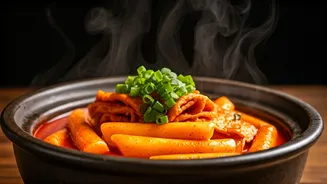
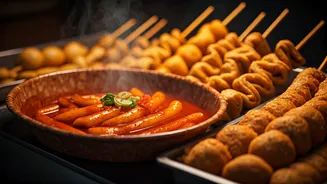
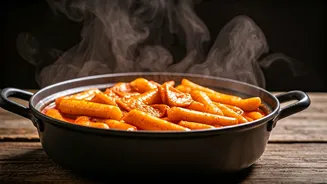
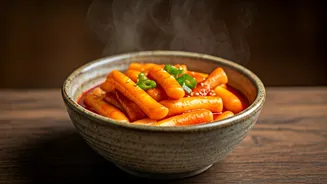
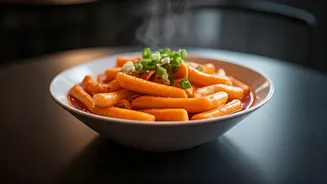
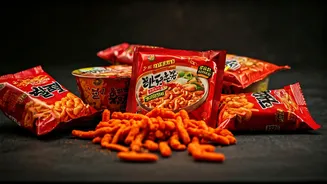
on You' and 'Vincenzo'. Indian audiences didn't just fall for the storylines and stars; they fell for the food. Every scene featuring characters enjoying a comforting bowl of Ramyeon, sharing Tteokbokki (spicy rice cakes), or grabbing a quick Gimbap (seaweed rice roll) acted as a subliminal culinary advertisement. This constant visual exposure created a powerful, organic demand. Fans no longer wanted to just watch their idols eat; they wanted to taste the culture for themselves, creating a ready-made market that savvy café owners were quick to notice.
The New Instagram Darlings
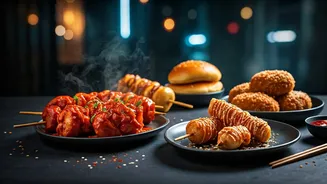
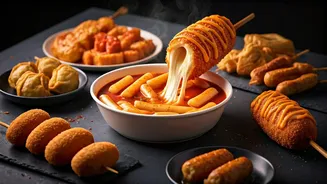
In the age of social media, we eat with our eyes first, and Korean cuisine is a feast for the camera. Its aesthetic appeal is a major driver of its popularity in cafes, where the 'Instagrammability' of a dish is as important as its taste. Think of Bingsu, a mountain of fluffy shaved ice adorned with colourful fruits, sweet red beans, and condensed milk. Or the satisfying 'cheese pull' of a Korean corn dog, coated in crispy batter and chunks of potato. Even simpler items like Gimbap rolls, with their vibrant, neatly arranged fillings, offer a photogenic quality. Cafes are leveraging this visual appeal, knowing that a unique, shareable dish can generate more buzz than a traditional ad campaign. Every post and story acts as a digital word-of-mouth, drawing more curious customers through the door.
Beyond the Usual Suspects
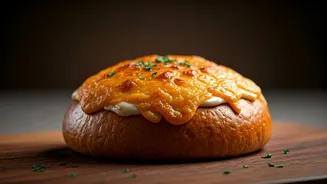
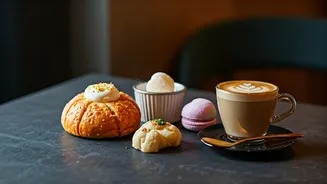
While Indian diners have been familiar with Korean BBQ and Bibimbap in speciality restaurants for a while, the café revolution is introducing a different, more casual side of the cuisine. This is the food of Seoul's bustling streets and trendy cafes. Menus are now dotted with items like Korean Cream Cheese Garlic Bread — a pull-apart loaf stuffed with sweetened cream cheese and drenched in garlic butter. You'll also find Gilgeori Toast (street toast), a deceptively simple egg sandwich packed with shredded cabbage that’s a breakfast staple in Korea. Sweet offerings include Dalgona coffee, which went viral globally and found a permanent home in Indian cafes, alongside fluffy Korean-style doughnuts and pastries. This diversification is key; it’s making Korean food an accessible, all-day option rather than just a dinner destination.
Adapting for the Indian Palate
This menu revolution isn't just a copy-paste job. Smart cafes are skillfully adapting Korean flavours to suit local tastes, creating exciting fusion dishes. This might mean offering a paneer or tofu version of a traditionally meat-based dish, or creating a 'tandoori tteokbokki' that blends Korean chewiness with familiar Indian spice. Vegetarian Gimbap rolls filled with pickled vegetables and avocado are becoming common. Some cafes are introducing spicier sauces or adding a hint of Indian masala to otherwise traditional recipes. This localization is crucial. It makes the trend less intimidating for newcomers while still satisfying the cravings of seasoned Hallyu fans. It shows that the Korean wave in India is not a monologue, but a dialogue between two rich culinary cultures.
It’s a Vibe, Not Just a Dish
The Korean influence extends beyond the plate. The very aesthetic of many new-age cafes is mirroring the minimalist, chic, and often playful interiors of those found in Seoul's hip neighbourhoods like Hongdae or Yeonnam-dong. Think clean lines, natural wood, neon signs with Hangul characters, and dedicated photo-friendly corners. This holistic approach is about selling an experience — the 'K-vibe'. Customers come not just for the food, but to feel connected to the culture they admire. They are there to replicate a scene from their favourite drama, to create their own 'main character' moment, and to share it online. The food is the centrepiece, but the atmosphere is what completes the picture, turning a simple coffee run into a mini-cultural immersion.